Your Ultimate Introduction to the 5 Stans
Are you curious about the enigmatic region known as Central Asia? Introducing the five “Stans”—Kazakhstan, Kyrgyzstan, Tajikistan, Turkmenistan, and Uzbekistan—offer a tapestry of rich cultures, stunning landscapes, and fascinating histories waiting to be explored. We’re going to cover 5 Stans FAQ, Questions about history, culture, geography — and all the most interesting bits and pieces that make the 5 Stans a true bucket list travel experience!
Whether you’re a seasoned traveler seeking hidden gems or a curious learner wanting to understand this unique part of the world, we’ve got you covered. In this article, we will answer your most pressing questions about the 5 Stans, from their cultural significance to travel tips and must-see attractions. Join us on a journey that uncovers the distinct identities of each Stan and reveals why these countries deserve a spot on your travel bucket list. Get ready to dispel myths, celebrate diversity, and embrace the unexpected charm of the 5 Stans!
What Are the 5 Stans?
The term “Stans” refers to five countries in Central Asia: Kazakhstan, Kyrgyzstan, Tajikistan, Turkmenistan, and Uzbekistan. The word “Stan” itself is derived from the Persian word for “land” or “place,” which is fitting as these nations are geographically linked and share a history of cultural and political interactions.
- Despite their shared suffix, each of the 5 Stans boasts its own unique identity, shaped by diverse influences and historical events.
- These countries were once part of the Soviet Union and gained independence in the early 1990s, marking a new chapter in their development.
What is the Largest Stan?
Kazakhstan is the largest of the Stans, both in terms of land area and economic influence. It is known for its vast steppes, modern capital city of Nur-Sultan (formerly Astana), and significant natural resources, including oil and gas. Kyrgyzstan, often referred to as the “Switzerland of Central Asia,” is renowned for its stunning mountainous terrain and commitment to preserving its nomadic traditions.
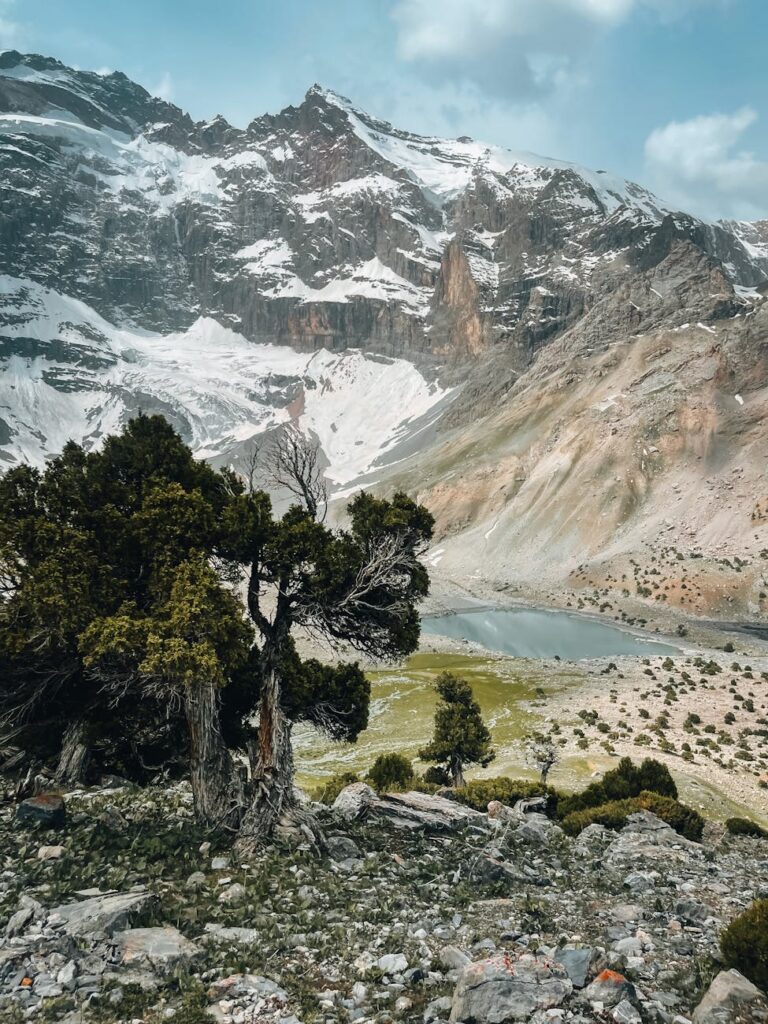
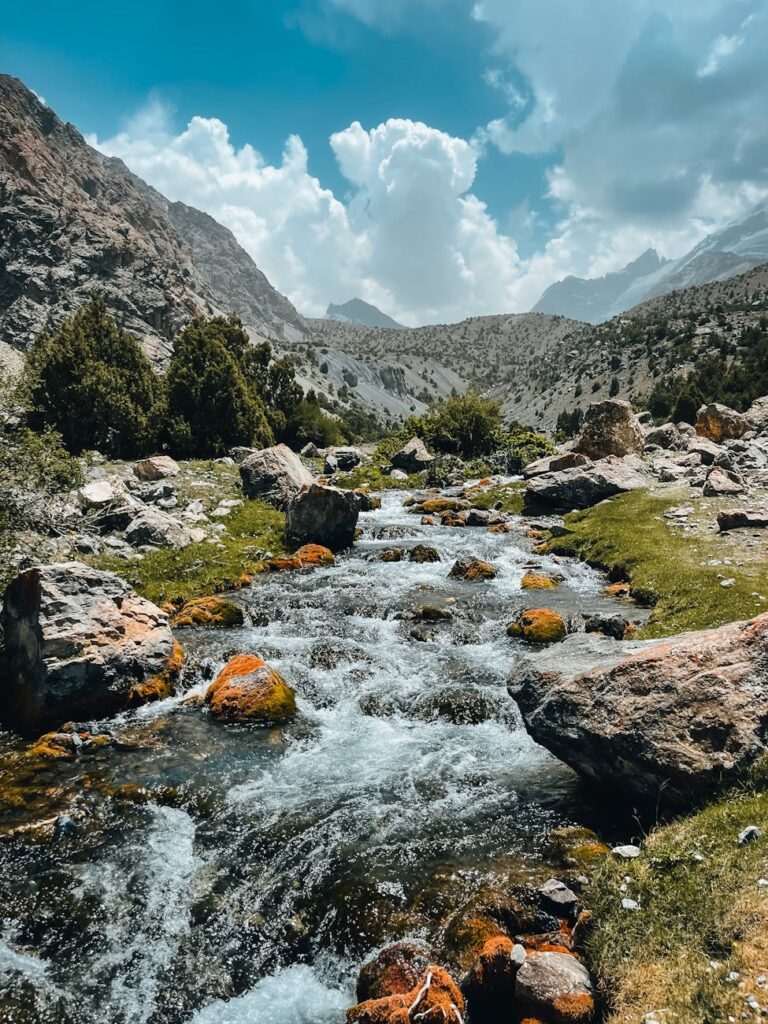
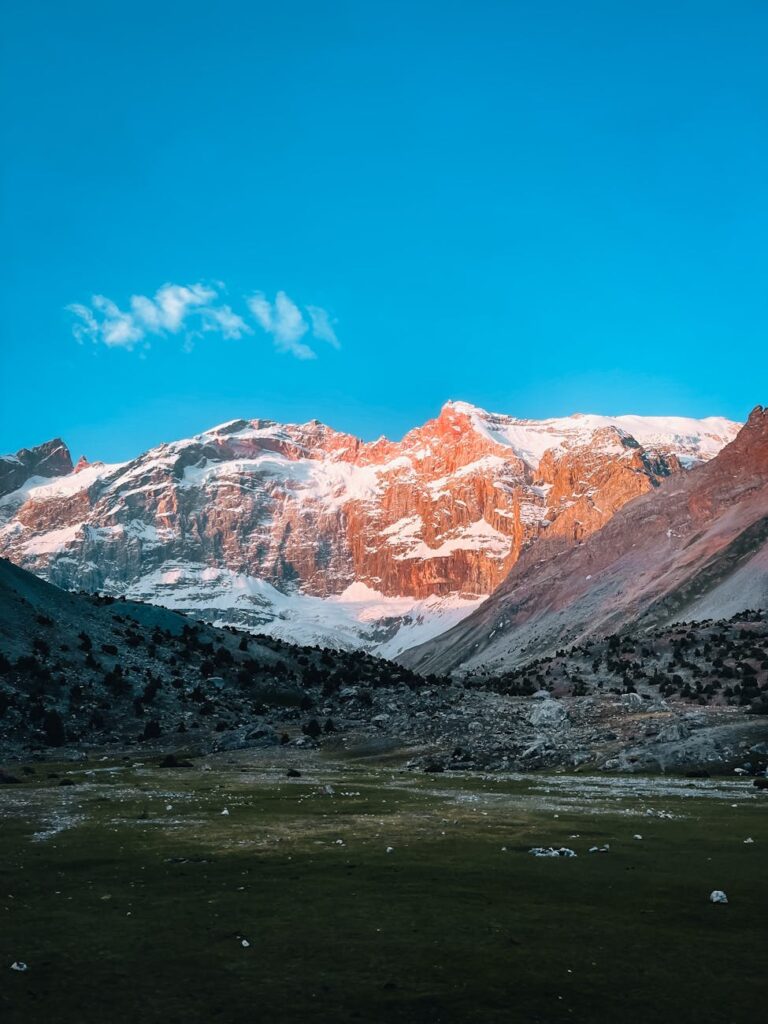
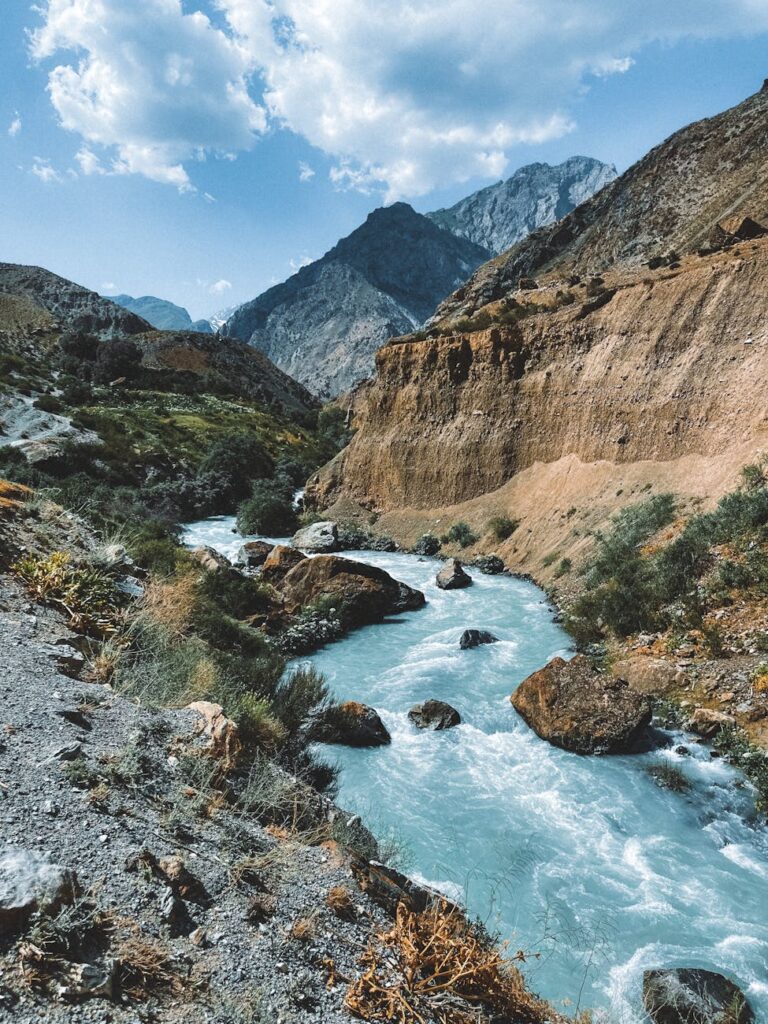
What Stan has the Best Landscapes?
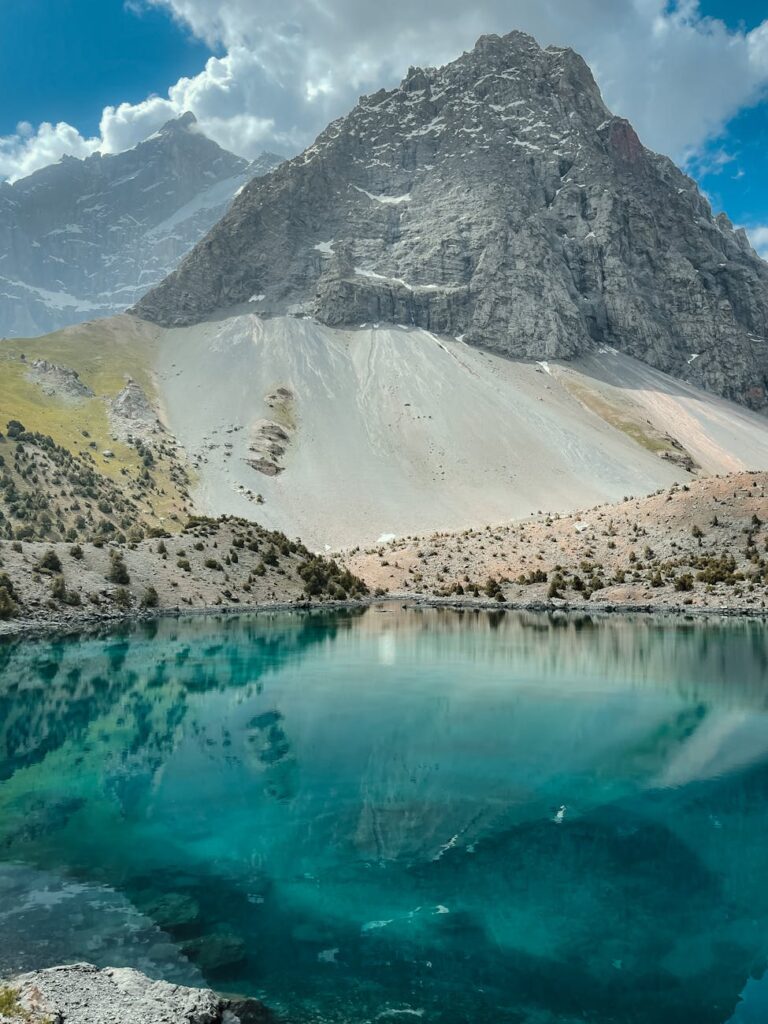
Tajikistan is distinguished by its rugged landscapes dominated by the Pamir Mountains and its rich Persian cultural heritage.
Why do people travel to the 5 Stans?
In Central Asia, the 5 stans stand out as a remarkable bucket list destination. Turkmenistan stands out with its vast desert landscapes and the unique personality of its capital, Ashgabat, characterized by grandiose marble structures. Uzbekistan is a treasure trove of historical and architectural marvels, with cities like Samarkand, Bukhara, and Khiva that reflect its significant role in the Silk Road trade network. Each of these nations offers a distinct experience, from the cosmopolitan energy of Kazakhstan to the timeless beauty of Uzbekistan’s ancient cities.
The Historical Background of Each Stan
What is the History of Kazakhstan?
Kazakhstan’s history stretches back to ancient nomadic tribes like the Scythians, who roamed its vast steppes. Over centuries, it became a crucial part of various empires, including the Mongol Empire under Genghis Khan.
- In the 18th century, Kazakhstan gradually came under Russian control, leading to its incorporation into the Soviet Union in the 20th century.
- Independence in 1991 marked a significant shift, allowing Kazakhstan to pursue its own path and develop its economy and national identity.
What is the History of Kygrzstan?
Kyrgyzstan has a history deeply intertwined with the Silk Road, serving as a crossroads for traders and travelers. The Kyrgyz people have maintained their nomadic lifestyle over centuries, which is still evident today.
- The region was absorbed into the Russian Empire in the 19th century and later became a Soviet republic.
- Since gaining independence, Kyrgyzstan has faced political turbulence but remains committed to democratic governance and cultural preservation.
What is the History of Tajikistan?
Tajikistan’s history is heavily influenced by its Persian roots, evident in its language and cultural practices. The region has seen the rise and fall of various empires, including the Samanid Empire, which left a lasting legacy.
- Like its neighbors, Tajikistan was incorporated into the Soviet Union and gained independence in 1991.
- The country has since grappled with civil war and economic challenges but continues to celebrate its rich heritage.
What is the History of Turkmenistan?
Turkmenistan’s history is marked by ancient civilizations such as the Parthians and the Seljuks, who left behind impressive archaeological sites.
- The region was later absorbed into the Russian Empire and then the Soviet Union.
- Independence in 1991 brought about significant changes, with the country adopting a distinctive political and cultural trajectory.
- Turkmenistan is known for its unique blend of ancient traditions and modern developments.
What is the History of Uzbekistan?
Uzbekistan’s history is a tapestry of Silk Road trade and cultural exchanges. Cities like Samarkand and Bukhara were major centers of learning and commerce, attracting scholars, traders, and artisans from across the world. The region was conquered by various empires, including the Timurids and the Mongols. Under Soviet rule, Uzbekistan underwent significant transformations, and independence in 1991 allowed it to revive and celebrate its rich historical and cultural heritage.
Cultural Significance of the 5 Stans
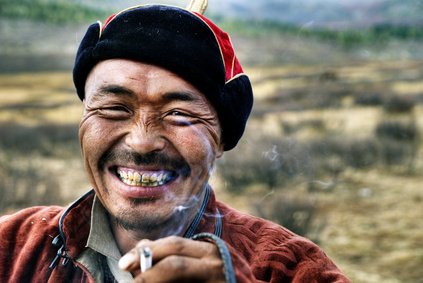
Nomadic Traditions and Modern Culture
Kazakhstan’s cultural landscape is a blend of traditional nomadic heritage and modern influences. The Kazakh people are known for their hospitality, with customs like the “dastarkhan,” a table laden with food, symbolizing their generosity. Traditional music, dance, and festivals play a crucial role in Kazakh culture, with the dombra, a two-stringed instrument, being particularly iconic. The country also celebrates its diverse ethnic makeup, with Russian, Uighur, and other communities contributing to its vibrant cultural mosaic.
See Also: Festivals of Central Asia
Kyrgyzstan’s cultural significance lies in its preservation of nomadic traditions. The yurt, a portable round tent, is a symbol of Kyrgyz life, reflecting their adaptability and connection to nature. Festivals like “Kyrgyz Kochu” celebrate the nomadic lifestyle, featuring traditional sports such as horseback wrestling and archery. The Manas epic, a monumental oral poem, is a cornerstone of Kyrgyz culture, showcasing their rich storytelling tradition and historical legacy.
Persian and Turkmen Legacies
Tajikistan’s cultural heritage is deeply rooted in Persian traditions. The Tajik language, a variant of Persian, is a crucial element of their identity. Poetry, particularly the works of Rudaki and Ferdowsi, holds a special place in Tajik culture. Festivals like Nowruz, the Persian New Year, are celebrated with great enthusiasm, symbolizing renewal and the arrival of spring. Traditional crafts such as silk weaving and ceramics also play a vital role in preserving Tajik cultural practices.
Turkmenistan’s culture is characterized by its unique blend of ancient traditions and modern influences. The Akhal-Teke horse, known for its beauty and endurance, is a national symbol and a source of pride. Traditional music and dance, often performed during festivals and celebrations, are integral to Turkmen culture. The country also boasts a rich heritage of carpet weaving, with Turkmen carpets being renowned for their intricate designs and craftsmanship.
Uzbek Culture
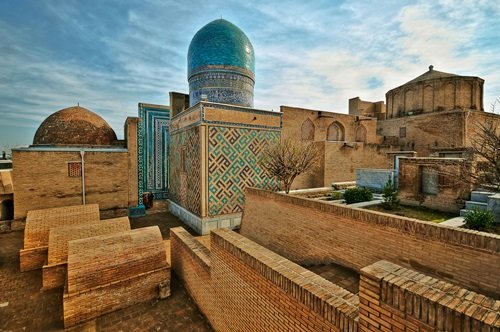
Uzbekistan’s cultural significance is evident in its architectural and artistic heritage. The cities of Samarkand, Bukhara, and Khiva are UNESCO World Heritage Sites, showcasing stunning examples of Islamic architecture.
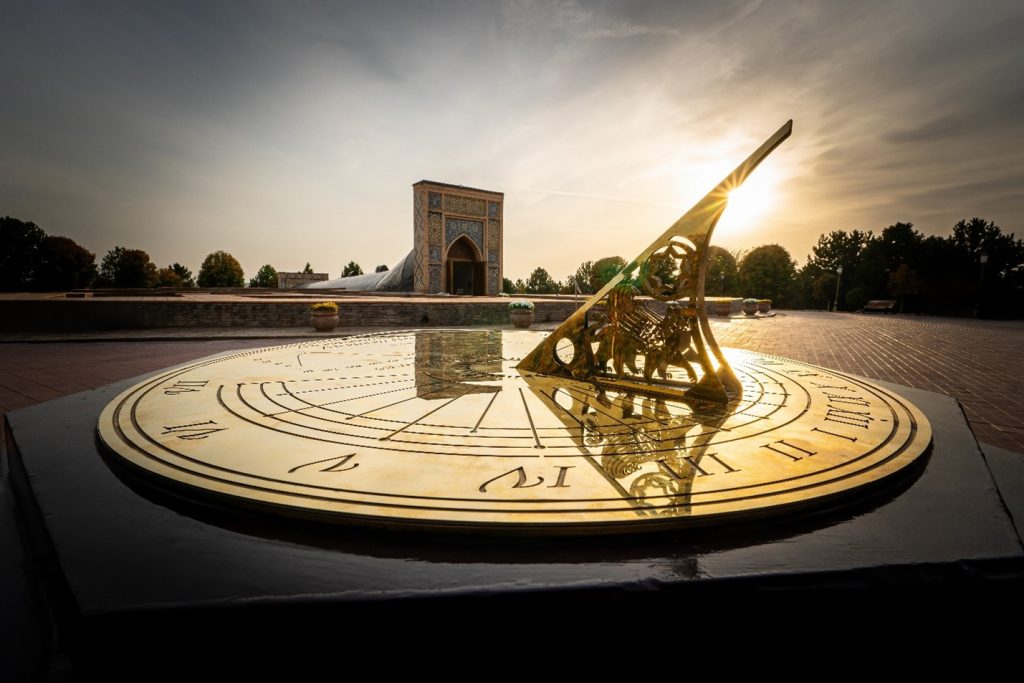
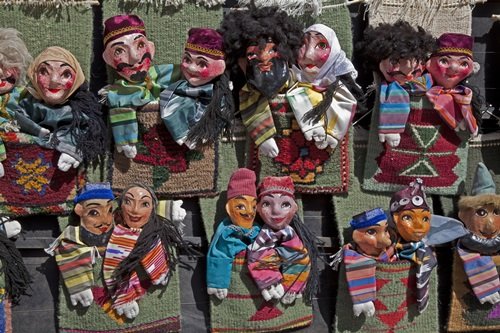
The country is also known for its vibrant arts scene, with traditional music, dance, and theater playing a central role. The Uzbek cuisine, featuring dishes like plov (a rice dish) and samsa (a type of pastry), reflects the country’s diverse culinary traditions.
5 Stans FAQ
Let’s cover the basics of Central Asia – travel requirements, general info, and safety for travellers.
What is the best time of year to visit the 5 Stans?
The ideal time to visit Central Asia is during the spring (April-June) and autumn (September-October). The weather is pleasant and mild during these seasons, making it perfect for exploring the ancient Silk Road cities and enjoying the outdoors. If you are interested in high-altitude trekking and hiking, the summer months (July-August) are the best for exploring the mountainous regions of Kyrgyzstan and Tajikistan. See our first-time visitor guide for Central Asia.
Are visas required to travel to the Stans?
Visa requirements vary depending on your nationality. Many countries, including those in the EU, the UK, the US, and Canada, have visa-free travel agreements with one or more of the Stans, especially for short stays. However, some countries, like Turkmenistan, have stricter visa policies. We cover all the visa requirements in our travel information page.
What currency is used in Central Asia?
Each of the five countries has its own distinct currency:
Kazakhstan: Kazakhstani Tenge (KZT)
Kyrgyzstan: Kyrgyzstani Som (KGS)
Tajikistan: Tajikistani Somoni (TJS)
Turkmenistan: Turkmenistani Manat (TMT)
Uzbekistan: Uzbekistani Sum (UZS)
What is the primary language spoken in each of the Stans?
Each country has its own official language, all of which are Turkic languages, with the exception of Tajik, which is of Persian origin. However, Russian is widely spoken and understood across all five countries due to their shared Soviet history. In tourist areas, you may also find people who speak English.
Why is the suffix “-stan” used in their names?
The suffix “-stan” is a common element in the names of these countries because it comes from the Persian word for “land of” or “place of.” For example, Uzbekistan translates to “Land of the Uzbeks” and Kazakhstan means “Land of the Kazakhs.”
Are the 5 Stans safe for solo female travelers?
Yes, the 5 Stans are generally considered safe and welcoming for solo female travelers (plus, our tours include guided groups). The region is renowned for its hospitality, and locals are often curious and eager to help visitors. As with any travel destination, it’s wise to take standard safety precautions, be aware of your surroundings, and respect local customs, especially regarding dress and behavior.
How safe are the 5 Stans for travel?
Overall, the countries of Central Asia are generally considered safe for tourists, particularly in major cities and popular travel routes.
Is it safe to travel to Uzbekistan and Kazakhstan from the USA?
Both Uzbekistan and Kazakhstan are considered safe for U.S. citizens, with the primary risks being petty crime (like pickpocketing) in crowded areas and traffic safety. It is advised to be aware of your surroundings, avoid walking alone at night, and take care when using private taxis. Both governments have made significant efforts to promote tourism and improve safety for foreign visitors.
The U.S. Department of State currently advises U.S. citizens to Exercise Increased Caution in Tajikistan and to Exercise Normal Precautions in the other Central Asian countries. A certified travel guide like East Site Travel, is the safest way to see the world.
Is Uzbekistan safer than Kazakhstan?
Both countries have similar, low crime rates compared to many other international destinations. According to data from the crowdsourcing platform Numbeo, Uzbekistan has consistently ranked as having a higher safety index than Kazakhstan, but it is important to remember these rankings are based on user-submitted data.
Which is the poorest Stan country?
Tajikistan is the most rural, natural landscaped country, so naturally, its focus is not economics. Based on Gross Domestic Product (GDP) per capita, Tajikistan is the poorest country among the five Central Asian states. According to data from the International Monetary Fund (IMF), Tajikistan’s GDP per capita is significantly lower than that of its neighbors.
The Geography of the 5 Stans
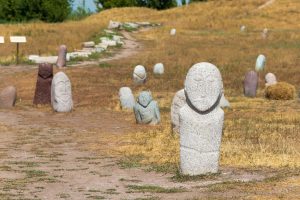
Kazakhstan’s geography is characterized by vast steppes, deserts, and mountain ranges. The country is home to the Caspian Sea, the world’s largest inland body of water, and the Tien Shan Mountains, which form a natural border with Kyrgyzstan.
The diverse landscapes offer opportunities for outdoor activities such as hiking, skiing, and wildlife watching. The country’s natural resources, including oil, gas, and minerals, play a significant role in its economy.
Kyrgyzstan’s geography is dominated by mountains, with the Tien Shan and Pamir ranges covering much of the country. This mountainous terrain provides stunning scenery and opportunities for adventure tourism, including trekking, mountaineering, and horseback riding.
The country’s numerous lakes, such as Issyk-Kul and Song-Kul, offer picturesque settings for relaxation and water activities. Kyrgyzstan’s varied landscapes also support diverse flora and fauna, making it a haven for nature enthusiasts.
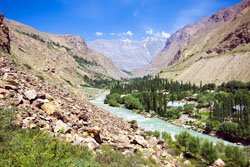
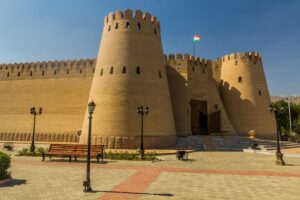
Tajikistan’s geography is defined by its rugged mountainous terrain, with over 90% of the country covered by mountains. The Pamir Mountains, often referred to as the “Roof of the World,” are a significant feature, attracting trekkers and climbers from around the globe.
The country’s rivers, such as the Amu Darya and the Panj, provide vital water resources that not only sustain agriculture but also support the livelihoods of countless communities depending on these waterways.
Tajikistan’s diverse ecosystems range from alpine meadows to arid deserts, presenting a variety of natural habitats that are home to numerous species of flora and fauna, thus contributing to the region’s biodiversity. The unique geographical features of the country, including its majestic mountains and lush valleys, further enhance its ecological richness, making it a vital area for conservation efforts and eco-tourism.
Turkmenistan’s geography is characterized by vast deserts, including the Karakum Desert, which covers much of the country.
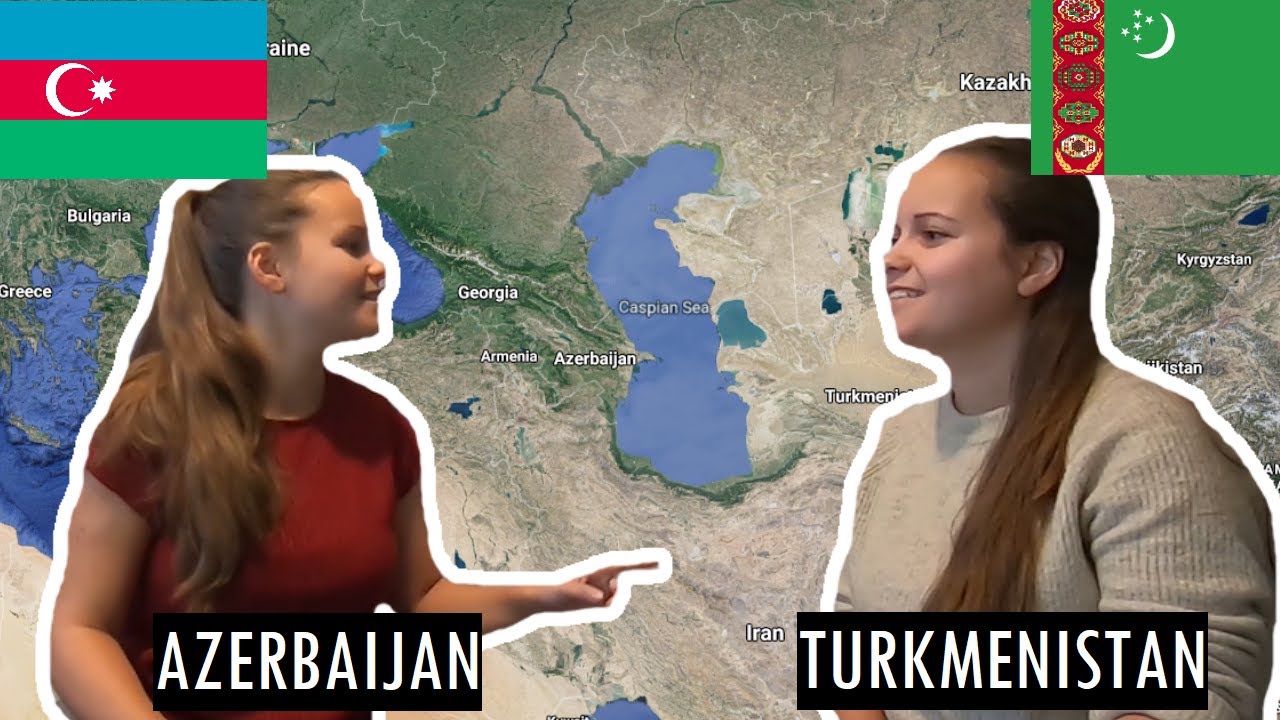
The desert landscape is punctuated by oases, where agriculture and settlements are concentrated. The Kopet Dag Mountains form a natural border with Iran, providing a stark contrast to the arid plains. The country’s Caspian Sea coastline offers opportunities for marine activities and trade. Turkmenistan’s unique geological features, such as the Darvaza Gas Crater, attract adventurous travelers.
Uzbekistan’s geography is marked by a mix of deserts, mountains, and fertile valleys.

The Kyzylkum Desert covers a significant portion of the country, while the Fergana Valley is known for its agricultural productivity. Major city, Tashkent is referred to as a city of contasts – blending acient architecure with modern. The country’s major rivers, the Amu Darya and the Syr Darya, provide essential water resources for irrigation. Uzbekistan’s diverse landscapes support a variety of flora and fauna, making it a destination for nature lovers and outdoor enthusiasts.
Economic Overview of the Stans
Kazakhstan’s economy is the largest and most diversified among the 5 Stans. The country has abundant natural resources, including oil, gas, and minerals, which contribute significantly to its GDP. The government has invested in modernizing infrastructure and developing industries such as finance, technology, and tourism. Kazakhstan’s strategic location also makes it a key player in regional trade and logistics, with initiatives like the Belt and Road Initiative enhancing its connectivity.
Kyrgyzstan’s economy is primarily based on agriculture, mining, and remittances from abroad. The country has rich deposits of gold and other minerals, which are crucial for its economic growth. Agriculture, particularly the cultivation of fruits, vegetables, and livestock, plays a vital role in providing livelihoods for the rural population. Tourism is an emerging sector, with Kyrgyzstan’s natural beauty and cultural heritage attracting increasing numbers of visitors each year.
Tajikistan’s economy is heavily reliant on agriculture, remittances, and mining. The country has significant deposits of aluminum, gold, and other minerals, which are essential for its economic development. Agriculture, particularly cotton and wheat production, is a major source of employment and income. Remittances from Tajik citizens working abroad, particularly in Russia, contribute significantly to the national economy. The government is also working to develop the tourism sector, leveraging the country’s stunning landscapes and cultural heritage.
Turkmenistan’s economy is dominated by its vast reserves of natural gas, which are among the largest in the world. The country has invested in developing its energy infrastructure and exporting gas to international markets. Agriculture, particularly cotton and wheat production, also plays a significant role in the economy. Turkmenistan’s government has implemented policies to diversify the economy, including investments in textiles, tourism, and manufacturing. The country’s strategic location and natural resources position it as a key player in regional economic dynamics.
Uzbekistan’s economy is one of the most diversified in Central Asia, with significant contributions from agriculture, industry, and services. The country is a major producer of cotton, fruits, and vegetables, with agriculture providing employment for a large portion of the population. Uzbekistan has also developed a robust industrial sector, including textiles, automotive manufacturing, and chemicals. The government has implemented reforms to attract foreign investment and promote private sector growth. Tourism is a growing industry, with Uzbekistan’s rich cultural heritage and historical sites drawing visitors from around the world.
Political Landscape in the Stans
Kazakhstan’s political landscape is characterized by a strong presidential system, with significant power concentrated in the executive branch. The country has experienced relative political stability since gaining independence, with a focus on economic development and modernization. Kazakhstan’s government has implemented reforms to attract foreign investment and improve governance, while also maintaining tight control over political dissent. The country plays an active role in regional and international organizations, including the United Nations and the Shanghai Cooperation Organization.
Kyrgyzstan stands out in Central Asia for its relatively democratic political system. The country has experienced several political upheavals since independence, including revolutions in 2005 and 2010. Despite these challenges, Kyrgyzstan has made strides in building democratic institutions and promoting political pluralism. The country has a vibrant civil society and a relatively free press, although challenges remain in terms of corruption and governance. Kyrgyzstan’s political landscape continues to evolve as it seeks to balance stability and democratic development.
Tajikistan’s political landscape is characterized by a strong presidential system and a dominant ruling party. The country experienced a brutal civil war in the 1990s, which had a lasting impact on its political and social development. Since then, Tajikistan has maintained relative stability under the leadership of President Emomali Rahmon, who has been in power since 1992. The government has implemented measures to strengthen security and promote economic development, although political opposition is limited, and human rights concerns persist.
Turkmenistan’s political landscape is marked by an authoritarian regime with a highly centralized power structure. The country has been led by two presidents since independence, both of whom have maintained tight control over political and social life. Turkmenistan’s government emphasizes stability and national unity, with limited political pluralism and restricted civil liberties. The country’s leadership has focused on economic development, particularly in the energy sector, while maintaining a distinctive cultural and political identity.
Uzbekistan’s political landscape has undergone significant changes in recent years, particularly following the death of long-time President Islam Karimov in 2016. The current president, Shavkat Mirziyoyev, has implemented a series of reforms aimed at modernizing the economy, improving governance, and enhancing international relations. These reforms have included measures to reduce corruption, attract foreign investment, and promote greater political openness. While challenges remain, Uzbekistan’s political landscape is evolving, with a focus on balancing stability and development.
Tourism Opportunities in Each Stan
See Our Featured 5 Stans Tour: A 19-day guided tour, all-inclusive, luxury travel.
Kazakhstan offers a diverse range of tourism opportunities, from the modern cityscapes of Nur-Sultan and Almaty to the natural beauty of the Altai Mountains and the Caspian Sea. Visitors can explore the historical sites of Turkestan, the ancient Silk Road city of Otrar, and the architectural marvels of Astana. Adventure seekers can enjoy activities such as hiking, skiing, and wildlife watching in the country’s national parks and nature reserves. Kazakhstan’s cultural festivals, traditional music, and cuisine also provide rich experiences for travelers.
Kyrgyzstan is a paradise for nature lovers and adventure enthusiasts. The country’s stunning mountainous landscapes, including the Tien Shan and Pamir ranges, offer opportunities for trekking, mountaineering, and horseback riding. Visitors can experience the nomadic lifestyle by staying in traditional yurts and participating in cultural festivals such as the World Nomad Games. Kyrgyzstan’s lakes, such as Issyk-Kul and Song-Kul, provide picturesque settings for relaxation and water activities. The country’s rich cultural heritage, including the Manas epic and traditional crafts, adds to its appeal as a travel destination.
Tajikistan’s tourism opportunities are centered around its breathtaking natural landscapes and cultural heritage. The Pamir Mountains attract trekkers and climbers with their challenging peaks and stunning scenery. The country’s rivers and lakes, such as the Fann Mountains and Iskanderkul Lake, offer opportunities for water sports and relaxation. Tajikistan’s historical sites, including the ancient city of Penjikent and the Silk Road ruins of Sarazm, provide a glimpse into its rich past. Cultural festivals, traditional music, and crafts also enhance the travel experience in Tajikistan.
Turkmenistan offers a unique blend of ancient history and modern attractions. The ancient city of Merv, a UNESCO World Heritage Site, is a must-visit for history enthusiasts, showcasing impressive archaeological remains. The capital city of Ashgabat is known for its grandiose marble buildings and monuments, providing a stark contrast to the desert landscapes. The Darvaza Gas Crater, also known as the “Door to Hell,” is a fascinating natural phenomenon that attracts adventurous travelers. Turkmenistan’s traditional music, dance, and carpet weaving add to its cultural allure.
Uzbekistan is a treasure trove of historical and architectural wonders, making it a top destination for cultural tourism. The cities of Samarkand, Bukhara, and Khiva are UNESCO World Heritage Sites, featuring stunning examples of Islamic architecture and Silk Road history. Visitors can explore the majestic Registan Square, the ancient Ark Fortress, and the intricate tilework of Shah-i-Zinda. Uzbekistan’s vibrant markets, traditional music, and cuisine provide a rich cultural experience. The country’s diverse landscapes, including deserts, mountains, and fertile valleys, offer opportunities for outdoor activities and nature exploration.
Common Misconceptions About the Stans
One common misconception about the Stans is that they are all the same, with little to distinguish them from one another. In reality, each of the 5 Stans has its own unique identity, shaped by diverse cultural, historical, and geographical influences. While they share some similarities, such as their Soviet past and Central Asian heritage, the differences between them are significant and worth exploring. From Kazakhstan’s modern cities to Kyrgyzstan’s nomadic traditions, each Stan offers a distinct experience.
Another misconception is that the Stans are unsafe or difficult to travel to. While some regions may have specific security concerns, many parts of the Stans are safe and welcoming to tourists. The governments of these countries have made efforts to improve infrastructure and promote tourism, making travel more accessible and comfortable. Travelers who take common-sense precautions and stay informed about local conditions can have rewarding and enriching experiences in the Stans.
There is also a misconception that the Stans lack modern amenities and infrastructure. While some areas are indeed remote and underdeveloped, the major cities in the Stans offer modern facilities, including hotels, restaurants, and transportation. Countries like Kazakhstan and Uzbekistan have invested in developing their tourism infrastructure, providing a range of services and accommodations for travelers. Visitors can enjoy both the rustic charm of rural areas and the convenience of urban centers.
How to Experience the Stans with East Site Travel
The key is ease of travel. We make it easy, plain and simple.
See Our Featured 5 Stans Tour: A 19-day guided tour, all-inclusive, luxury travel.
East Site Travel offers a range of curated tours that allow travelers to experience the best of the 5 Stans. Their itineraries are designed to showcase the unique cultural, historical, and natural attractions of each country, providing a comprehensive and immersive travel experience. From guided tours of ancient Silk Road cities to adventure trips in the mountains, East Site Travel caters to diverse interests and preferences.’
One of the highlights of traveling with East Site Travel is their knowledgeable local guides, who provide valuable insights and context to each destination. These guides are well-versed in the history, culture, and traditions of the Stans, enhancing the travel experience with their expertise. Whether exploring the bustling markets of Uzbekistan or trekking through the majestic landscapes of Kyrgyzstan, travelers can gain a deeper understanding and appreciation of the region.
East Site Travel also emphasizes responsible and sustainable tourism practices. They work with local communities and businesses to ensure that tourism benefits the people and preserves the cultural and natural heritage of the Stans. Travelers can participate in cultural exchanges, support local artisans, and engage in eco-friendly activities, contributing to the sustainable development of the region. East Site Travel’s commitment to ethical tourism ensures that travelers have a positive and meaningful impact on the destinations they visit.
Conclusion: Embracing the Diversity of the 5 Stans
The 5 Stans of Central Asia—Kazakhstan, Kyrgyzstan, Tajikistan, Turkmenistan, and Uzbekistan—offer a captivating blend of cultures, landscapes, and histories. Each country has its own unique identity, shaped by diverse influences and historical events. From the modern cities of Kazakhstan to the ancient Silk Road heritage of Uzbekistan, the Stans provide a wealth of experiences for travelers and learners alike.
By exploring the rich cultural traditions, stunning natural beauty, and fascinating historical sites of the Stans, travelers can gain a deeper understanding and appreciation of this enigmatic region. Dispelling common misconceptions and embracing the
Discover more from East Site Travel
Subscribe to get the latest posts sent to your email.