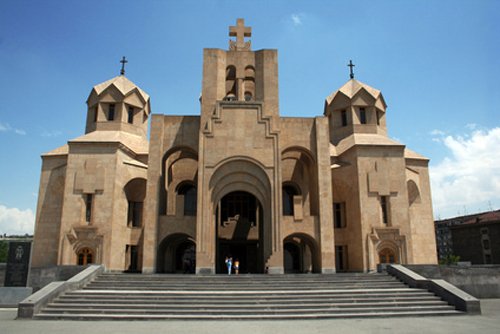
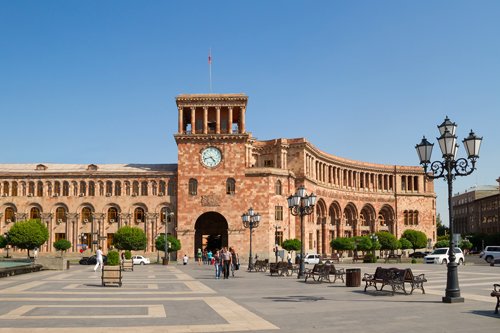
Armenia is a land of ancient faith, volcanic stone, and quiet strength. Tucked in the mountains of the South Caucasus, it was the first country to adopt Christianity — and you feel it in every church carved into cliffs and every chant echoing through stone halls. Unlike its neighbors, Armenia offers a sense of stillness — where time slows, and history breathes through wine, manuscript, and mountain air.
Haghpat
Haghpat village rests quietly in the rolling hills of northern Armenia, surrounded by forests, mist, and deep green canyons. It’s a place where life moves slowly — stone houses, grazing cattle, and soft church bells in the distance. The famous 10th-century monastery nearby brings a sacred hush to the air, but the village itself feels deeply human: humble, warm, and rooted in centuries of quiet resilience.
Haghpat Monastic Complex (UNESCO World Heritage Site)
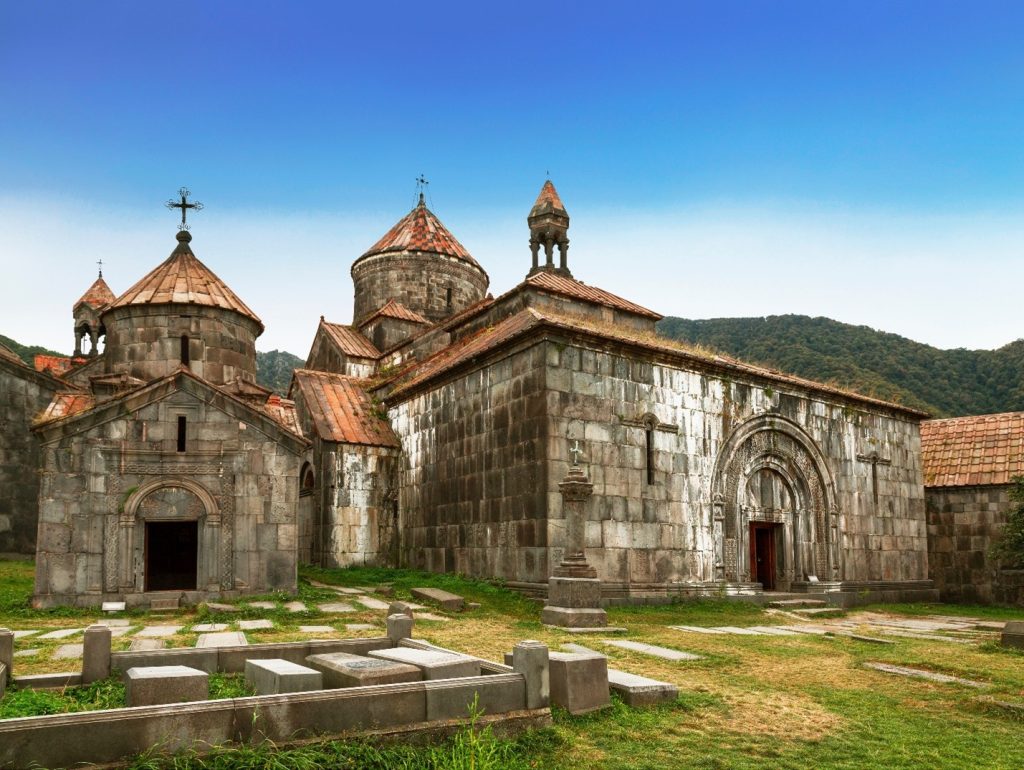
Haghpat Monastic Complex, built in the 10th century, sits peacefully on a hillside overlooking deep green valleys. This UNESCO World Heritage Site once served as a major center of learning, where monks copied manuscripts and taught philosophy. Its stone halls and cross-carved walls reflect Armenia’s medieval faith and enduring scholarship.
Sevan
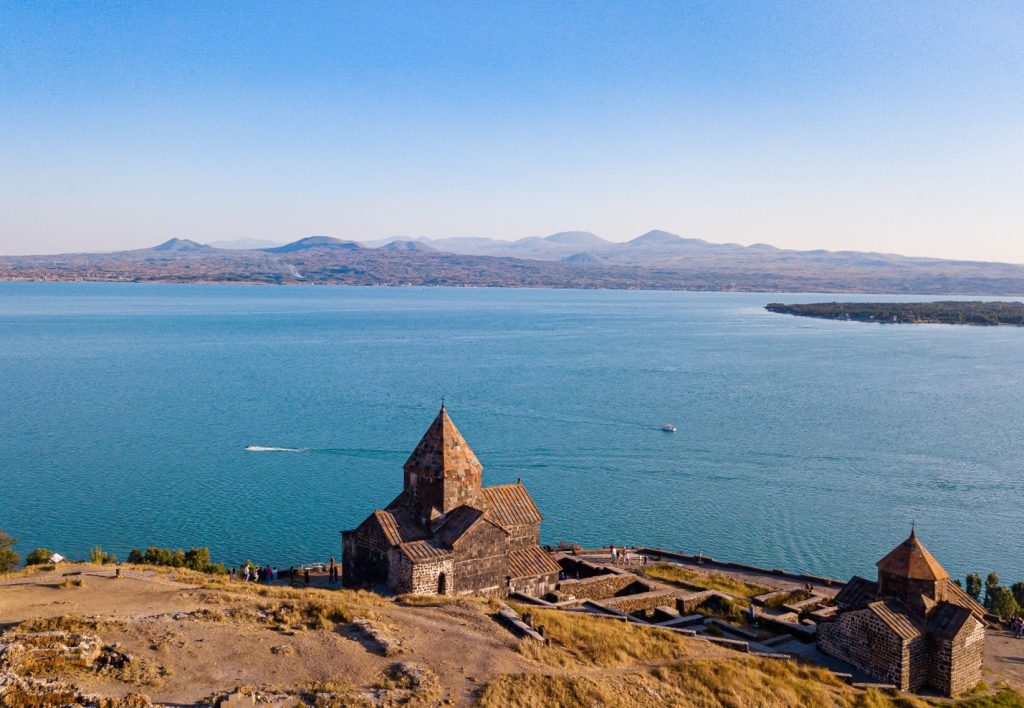
Sevan is a place of wide skies and shimmering water. Its lake, one of the largest alpine freshwater lakes in the world, stretches calmly at 1,900 meters above sea level. On a rocky peninsula, Sevan Monastery watches over the waves — simple, ancient, and serene. The light here feels clearer, the air crisper, and time gently slows.
Lake Sevan (alpine freshwater lake at 1,900 m / 6,200 ft above sea level)
Lake Sevan is one of Armenia’s most iconic natural treasures — a vast alpine lake set at 1,900 meters above sea level. Surrounded by soft hills and distant peaks, its shimmering waters reflect the sky like glass. The Sevan Peninsula, once an island, is home to a medieval monastery that adds quiet dignity to the view. Locals come for fresh fish and rest; visitors come for the stillness, the beauty, and the sense that here, life flows a little more gently.
Sevan Monastery (on the peninsula)
Sevan Monastery stands on a windswept peninsula, once an island in Lake Sevan’s wide embrace. Built in the 9th century, its dark stone churches rise above the water with quiet strength. Surrounded by open sky and lapping waves, the monastery feels both remote and deeply rooted — a place of reflection, shaped by wind, faith, and time.
Selim Pass
Selim Pass winds through the high mountains of Armenia, where sky and earth meet in quiet solitude. At its peak stands the Selim Caravanserai, built in 1332 to shelter Silk Road travelers. Its dark stone arches once echoed with footsteps, trade, and stories — now they rest in stillness, holding the memory of a world once on the move.
Selim Caravanserai (built in 1332, on the Silk Road)
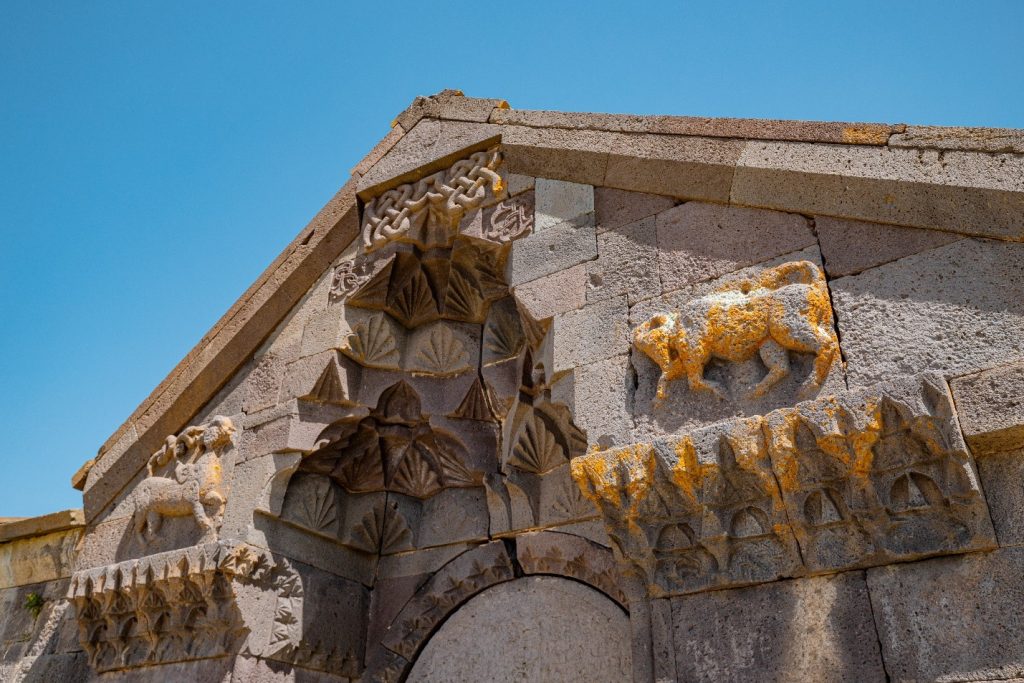
Selim Caravanserai rests high in the Vardenyats Pass, where winds still sweep across the ancient Silk Road. Built in 1332 by Prince Chesar Orbelian, it once offered shelter to weary merchants, their camels, and goods moving between Persia and the Caucasus. The structure — low, dark, and built of thick volcanic stone — is remarkably well preserved. Inside, the vaulted halls and carved inscriptions in Armenian and Arabic whisper of the caravan life: of trade, protection, and a world always on the move. Today, it stands in quiet isolation — a powerful reminder of Armenia’s role in global history.
Noravank
Noravank clings to a red rock canyon, where cliffs glow at sunset and silence deepens. Built in the 12th–13th centuries, its slender church rises over stacked terraces, carved with delicate crosses and watchful lions. Long a center of learning and culture, Noravank feels timeless — a hidden jewel of Armenia’s spiritual heart.
Noravank Monastery (12th century religious and cultural center)
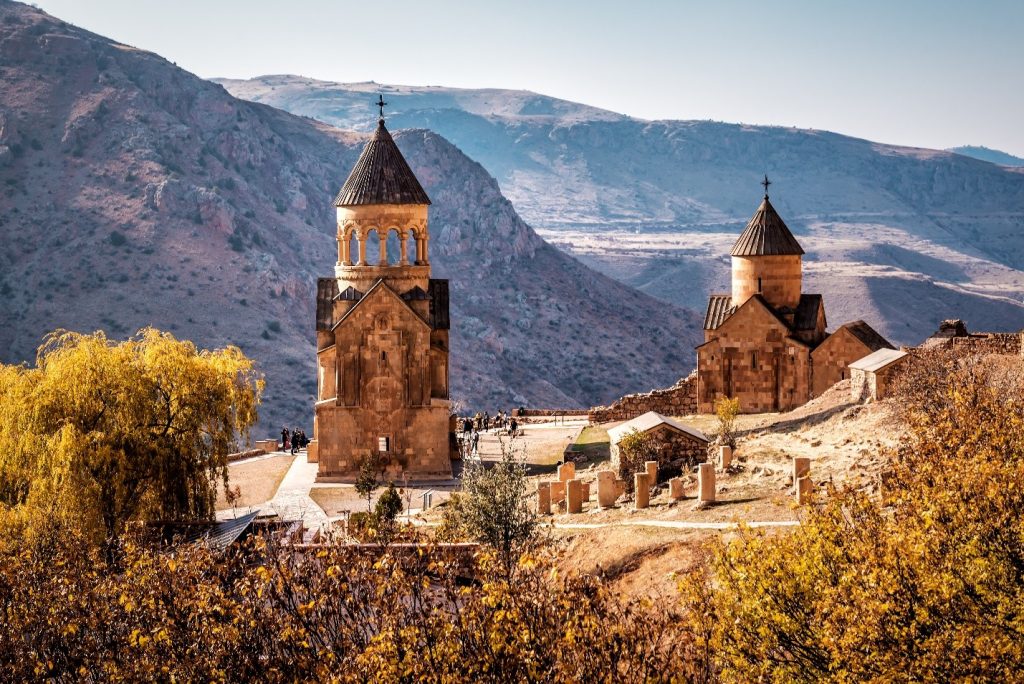
Nestled among dramatic red cliffs, Noravank Monastery is a remarkable 12th-century spiritual site in Armenia. Known for its fine stone carvings and unique two-story Surb Astvatsatsin Church, the complex reflects the depth of medieval Armenian faith and craftsmanship. Its serene setting and historic presence make it a peaceful place for reflection amid nature and history.
Areni Wine Factory (wine tasting, local grape varieties)
Areni Wine Factory is a charming gateway to Armenia’s ancient winemaking heritage. Located in the heart of the Areni region, it offers visitors the opportunity to sample wines made from unique local grape varieties, such as the renowned Areni Noir. The factory’s rustic atmosphere and rich, fruity flavors provide an immersive experience into centuries of winemaking tradition.
Khor Virap
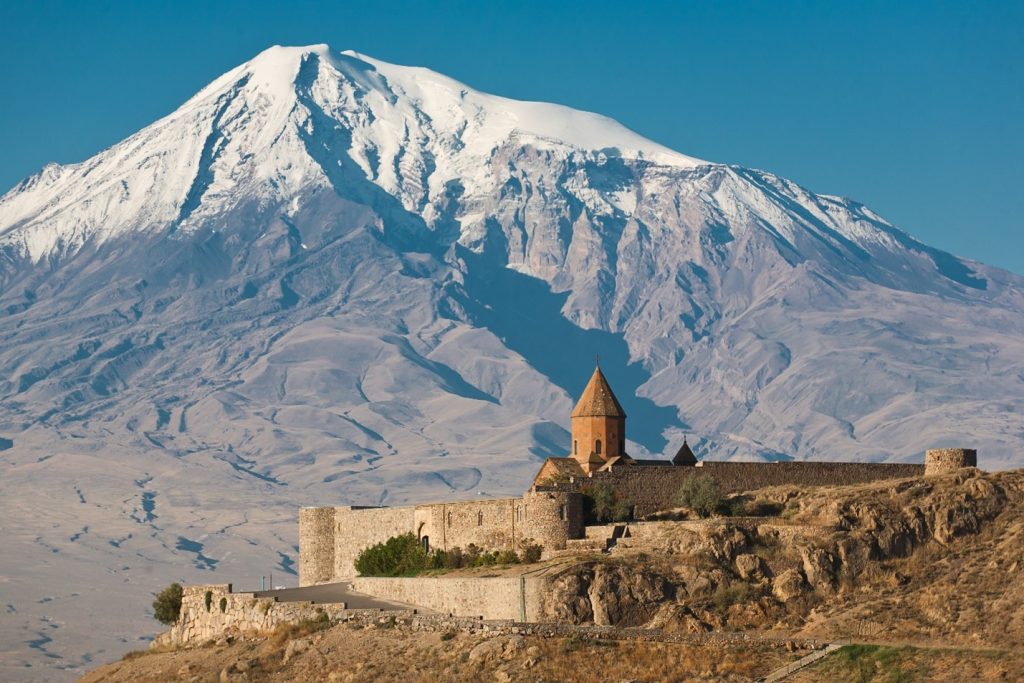
Khor Virap rises from the plains near the Turkish border, with Mount Ararat towering silently behind. This sacred site marks where Saint Gregory the Illuminator was imprisoned — a story central to Armenia’s adoption of Christianity. The view from the monastery is vast and humbling, with the legendary mountain seeming almost close enough to touch.
Khor Virap Monastery (panoramic view of Mt. Ararat, biblical significance)
Khor Virap Monastery rises from the wide plains of the Ararat Valley, its silhouette etched against the snow-capped peak of Mount Ararat. This sacred site marks the underground prison where Saint Gregory the Illuminator was held — a turning point in Armenia’s conversion to Christianity. The view from its walls is unforgettable: Ararat, towering just across the border, feels close enough to touch. With its layers of legend, faith, and sweeping landscape, Khor Virap is both a pilgrimage and a vision — one of Armenia’s most enduring symbols.
Garni
Garni is a small village where Armenia’s pagan past still echoes. Surrounded by rugged cliffs and orchards, it’s home to the iconic 1st-century Garni Temple — the only Greco-Roman structure left standing in the region. Here, ancient history meets natural beauty, and the scent of baking lavash drifts from local homes, welcoming visitors with warmth and tradition.
Garni Pagan Temple (1st century Hellenistic-style temple)
Garni Pagan Temple stands alone on a rocky bluff above the Azat River, Armenia’s only surviving Greco-Roman colonnaded building. Built in the 1st century, its elegant columns and perfect symmetry reflect ancient sun worship. Framed by deep gorges and mountain light, Garni is a rare echo of Armenia’s pre-Christian past — timeless, proud, and beautifully preserved.
Geghard
Geghard is a place where mountains, faith, and stone become one. Tucked deep in a narrow gorge, it’s home to a remarkable medieval monastery — partly carved into the cliffs themselves. The setting is serene, with sheer rock faces, trickling springs, and echoes of ancient hymns. A visit here feels like stepping into a sacred secret, held quietly in the heart of Armenia’s highlands.
Geghard Monastery (medieval UNESCO site)
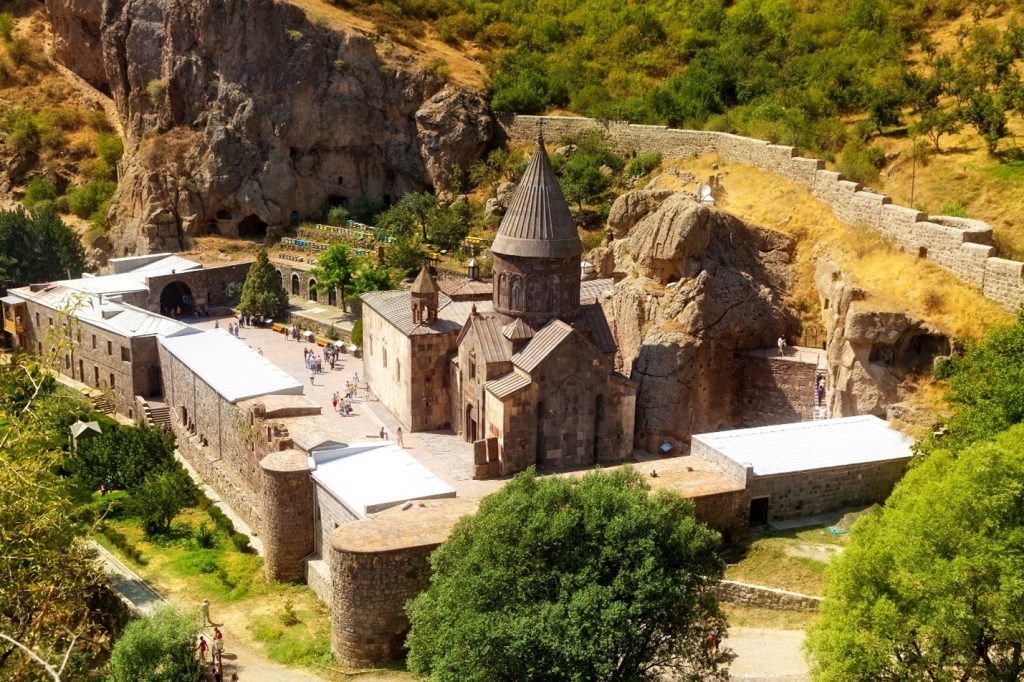
Geghard Monastery is one of Armenia’s most breathtaking sacred sites — partly carved into sheer rock, and surrounded by towering cliffs. Dating back to the medieval period, it blends nature and faith in a way that feels almost otherworldly. Inside its cool, echoing chambers, the silence carries centuries of prayer.
Yerevan
Yerevan is a city of pink stone and deep memory, where Soviet avenues meet ancient roots. It’s one of the oldest continually inhabited cities in the world, yet full of youthful energy — bustling cafés, art-lined parks, and music drifting through open windows. At its heart are powerful symbols: the Cascade, the Genocide Memorial, and manuscripts older than time. Yerevan doesn’t shout — it remembers, welcomes, and endures.
Matenadaran (repository of ancient manuscripts from Europe and Asia)
Matenadaran rises above Yerevan like a temple of memory. Inside, it holds one of the world’s richest collections of ancient manuscripts — delicate pages written in Greek, Persian, Armenian, and more. These texts, some over a thousand years old, preserve the science, art, and soul of distant centuries.
Armenian History Museum
The Armenian History Museum, located in the heart of Yerevan, holds the story of a nation that stretches back millennia. From prehistoric tools to medieval treasures, its halls trace the deep roots of Armenian culture. Each artifact speaks of survival, creativity, and identity shaped by mountains, empires, and belief.
Tsitsernakaberd Memorial & Museum (Genocide memorial)
Tsitsernakaberd rises solemnly on a hill above Yerevan — a quiet monument to the victims of the Armenian Genocide. Its sharp spire and eternal flame honor lives lost and history remembered. The adjoining museum tells their story with dignity, preserving truth through photographs, letters, and testimony. It is a place of silence, sorrow, and deep resilience.
Etchmiadzin
Etchmiadzin is the spiritual heart of Armenia — the seat of the world’s oldest national church. Its main cathedral, founded in the 4th century, stands in quiet dignity, surrounded by gardens and centuries of devotion. This is where Armenia’s Christian story began, and where it still pulses today — with candles, stone, and solemn beauty.
Etchmiadzin Cathedral (mother church of Armenian Apostolic Church)
Etchmiadzin Cathedral is the oldest cathedral in the world, founded in the 4th century when Armenia became the first Christian nation. It remains the spiritual center of the Armenian Apostolic Church, filled with quiet reverence and timeless beauty. With its ancient stone, sacred relics, and peaceful grounds, Etchmiadzin is the beating heart of Armenian faith.
St. Hripsime Church (early Christian basilica from 7th century)
St. Hripsime Church is one of Armenia’s oldest and most beautiful early Christian basilicas, built in the 7th century. Its simple, solid stone structure has stood for over a thousand years, a symbol of strength and devotion. The church honors a young martyr whose story is woven into Armenia’s Christian roots.
Zvartnots
Zvartnots is a hauntingly beautiful ruin — the remains of a 7th-century cathedral once crowned with a grand circular dome. Set against the backdrop of Mount Ararat, its carved stone arches and scattered columns evoke both majesty and loss. Though time brought it to ruin, its spirit still rises in quiet elegance from the earth.
Ruins of Zvartnots Cathedral (7th-century circular structure, UNESCO site)
The ruins of Zvartnots Cathedral rise from the plain near Mount Ararat like a forgotten crown. Built in the 7th century, its circular design was bold and majestic, unlike anything else in the region. Though now in ruins, its sculpted columns and sweeping layout still inspire — a quiet masterpiece under open sky, and a proud UNESCO World Heritage Site.