Discover Azerbaijan: From Baku’s Old City to the Caucasus Countryside
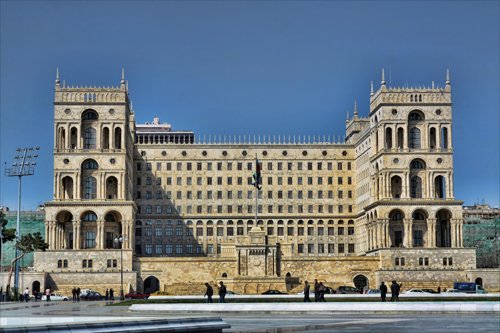
Azerbaijan blends ancient Silk Road heritage with striking modern architecture, from Baku’s flame-shaped skyscrapers to the stone alleys of its Old City. Our Azerbaijan tour packages bring you through Baku’s Maiden Tower, Shirvanshahs’ Palace, and the Absheron Peninsula’s eternal fires, then onward to Sheki’s painted Khan’s Palace and the ancient petroglyphs of Gobustan.
Traveling as part of our Azerbaijan small group tour itineraries, capped at under 15 people, you’ll experience these sites with the depth and access larger tour buses can’t offer, from local wine cellars to hands-on shebeke glass workshops. Every trip is built as one of our all-inclusive Azerbaijan tours, with hotels, meals, transfers, and expert guiding fully handled from arrival to departure.
Curious about Baku tour packages price and current departure dates? Reach out to our team directly. Pricing varies by itinerary length and season, and we’re happy to walk you through the best option for your travel plans.

From the windswept Caspian coast to the quiet mountain villages of the Caucasus, it offers striking contrasts — flame-shaped skyscrapers rising above medieval walls, and bustling bazaars just steps from leafy boulevards. What sets Azerbaijan apart is its unique blend of Turkic, Persian, and Russian influences, woven into everything from its cuisine to its architecture. Whether you’re walking through Baku’s old town or sipping tea in a garden under fig trees, Azerbaijan welcomes with depth, beauty, and timeless charm.
Baku
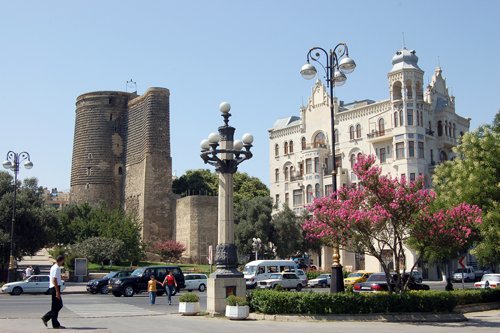
Baku is a city of bold contrasts, where the Caspian Sea meets centuries of layered history. Within the walls of the Old City, narrow stone alleys lead to caravanserais, mosques, and the mysterious Maiden Tower. Just beyond, sleek towers of glass and steel light up the skyline. Persian roots, Soviet legacy, and modern ambition blend seamlessly in its museums, parks, and cafés. In Baku, every corner tells a story — ancient, elegant, and alive.
Shirvanshahs’ Palace

Shirvanshahs’ Palace rises from the heart of Baku’s Old City like a stone poem. Built in the 15th century, this royal complex once housed the rulers of Shirvan and still echoes with quiet grandeur. Its arches, courtyards, and domed halls speak of a refined culture shaped by Persian and Islamic traditions. Wandering its serene spaces feels like stepping back into a lost dynasty’s world.
Maiden Tower
The Maiden Tower stands as Baku’s most iconic symbol, rising from the edge of the Old City with mystery and strength. Dating back to the 12th century — or even earlier — its origins remain partly unknown, adding to its allure. Legends swirl around its name, from tales of royal daughters to ancient Zoroastrian rituals. Climb to the top, and you’ll find sweeping views of the Caspian Sea and a city where past and present meet.
Caravanserai
The Caravanserai in Baku’s Old City is a quiet echo of Silk Road days. Once a resting place for merchants and travelers, its stone arches and inner courtyard tell stories of trade, culture, and long journeys. Today, it offers a peaceful retreat — a place to imagine the rhythm of camels, voices, and shared meals under the stars.
Museum of Art
The Museum of Art in Baku holds a rich collection that spans centuries and cultures. Housed in a graceful building, its galleries feature Azerbaijani painting, sculpture, and applied arts, alongside European and Russian masterpieces. The calm, elegant atmosphere invites visitors to linger and explore. It’s a thoughtful place to see how local creativity speaks to the wider world.
Panoramic view of the city
The panoramic view of Baku reveals a city of striking contrasts. From hilltop terraces or the heights of modern towers, you see the blue curve of the Caspian Sea, the stone walls of the Old City, and the sleek Flame Towers all at once. It’s a sweeping scene where history, nature, and bold architecture meet — quietly impressive and always changing with the light.
Absheron Peninsula: Fire Worshippers Temple (Surakhany district)
The Fire Worshippers Temple, located in the Surakhany district of the Absheron Peninsula, is a rare and evocative place. Built in the 17th century on land once rich in natural gas, the temple was a sacred site for Zoroastrians drawn to its eternal flames. Stone altars and inscriptions still stand under open sky, offering a glimpse into ancient rituals. It’s a quiet, powerful reminder of how deeply fire shaped early faith.
Mardakan Fortresses
The Mardakan Fortresses on the Absheron Peninsula are sturdy reminders of Azerbaijan’s medieval past. Built in the 13th and 14th centuries to guard against coastal attacks, their thick limestone walls and watchtowers still stand strong. Each fortress has its own character — some square, some round — rising quietly from village streets. Visiting them feels like stepping into a forgotten chapter of defense and resilience by the Caspian Sea.
“Yanar Dag” – Fire Mountain
“Yanar Dag,” or Fire Mountain, is one of Azerbaijan’s most curious natural wonders. Here, flames rise endlessly from a hillside, fueled by underground gas that escapes through porous sandstone. Burning day and night for centuries, this eternal fire has long fascinated travelers and worshippers alike. It’s a quiet, mesmerizing sight — simple, powerful, and uniquely Azerbaijani.
Oil industry landmarks
Azerbaijan’s oil industry landmarks trace the country’s transformation from ancient energy source to modern powerhouse. In and around Baku, you’ll see rusting derricks beside sleek refineries, and historic pumping stations standing near the Caspian coast. These sites reflect the story of the world’s first industrial oil boom in the 19th century. Quietly scattered across the landscape, they offer a raw and honest look into the engine behind Azerbaijan’s growth.
Gobustan
Gobustan is a quiet stretch of semi-desert near the Caspian Sea, where ancient life is etched in stone. Scattered across rocky hillsides, over 4,000 petroglyphs depict hunters, dancers, boats, and animals — vivid scenes carved by people who lived here thousands of years ago. The landscape feels timeless, shaped by wind, silence, and memory. Visiting Gobustan is like stepping into a prehistoric gallery under the open sky.
Gobustan Rock Art Cultural Landscape (over 4000 ancient petroglyphs)
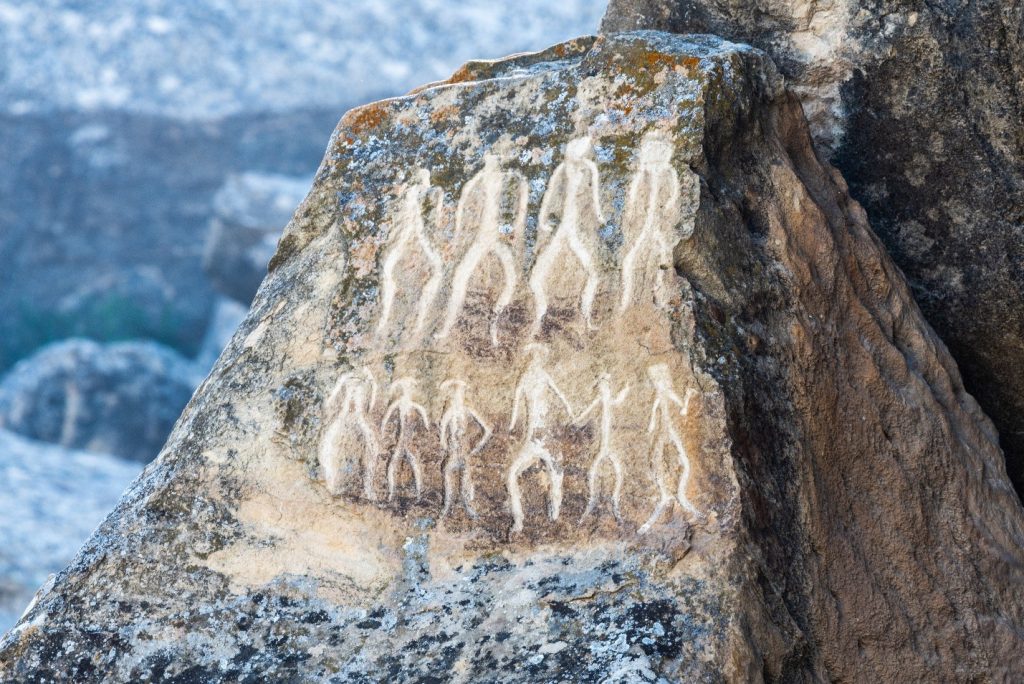
The Gobustan Rock Art Cultural Landscape is one of Azerbaijan’s most treasured sites. Spread across sunbaked hills near the Caspian Sea, it holds more than 4,000 ancient petroglyphs carved into stone. These vivid images of dancing figures, boats, and animals date back tens of thousands of years, capturing the rhythm of early human life. Gobustan offers a quiet and powerful connection to the distant past — a natural gallery under open sky.
Maraza
Maraza is a small town set among cliffs and dry hills, best known for the mysterious Diri Baba Mausoleum. Built into the rock face, the 15th-century tomb appears to float above the ground, blending architecture with nature. Surrounded by legends, it draws visitors seeking both beauty and quiet reflection. Maraza offers a peaceful pause on the road through Azerbaijan’s heartland.
Diri Baba Mausoleum
The Diri Baba Mausoleum, near the cliffs of Maraza, seems to grow out of the rock itself. Built in the 15th century, this two-story tomb honors a revered Sufi figure and has long been a site of pilgrimage and legend. Its unusual design — part cave, part elegant stonework — blends nature with sacred architecture. Surrounded by stillness and myth, it invites quiet reflection in a dramatic setting.
Shamakhi
Shamakhi is one of Azerbaijan’s oldest cities, once a capital of ancient kingdoms and a center of poetry and science. Set among rolling hills and vineyards, it holds echoes of its rich past. The elegant Juma Mosque — one of the oldest in the Caucasus — and the hilltop Yeddi Gumbez Mausoleum speak of royal heritage and spiritual depth. Today, Shamakhi offers calm landscapes and a quiet sense of historical grandeur.
Yeddi Gumbez Mausoleum
The Yeddi Gumbez Mausoleum stands on a quiet hill outside Shamakhi, overlooking the surrounding plains. Its name means “Seven Domes,” though only a few still remain. Built in the 18th and 19th centuries for members of the Shirvan royal family, the tombs reflect Persian-inspired architecture and timeless calm. The peaceful setting and weathered stones evoke a sense of dignity, history, and silence.
Juma (Cuma) Mosque
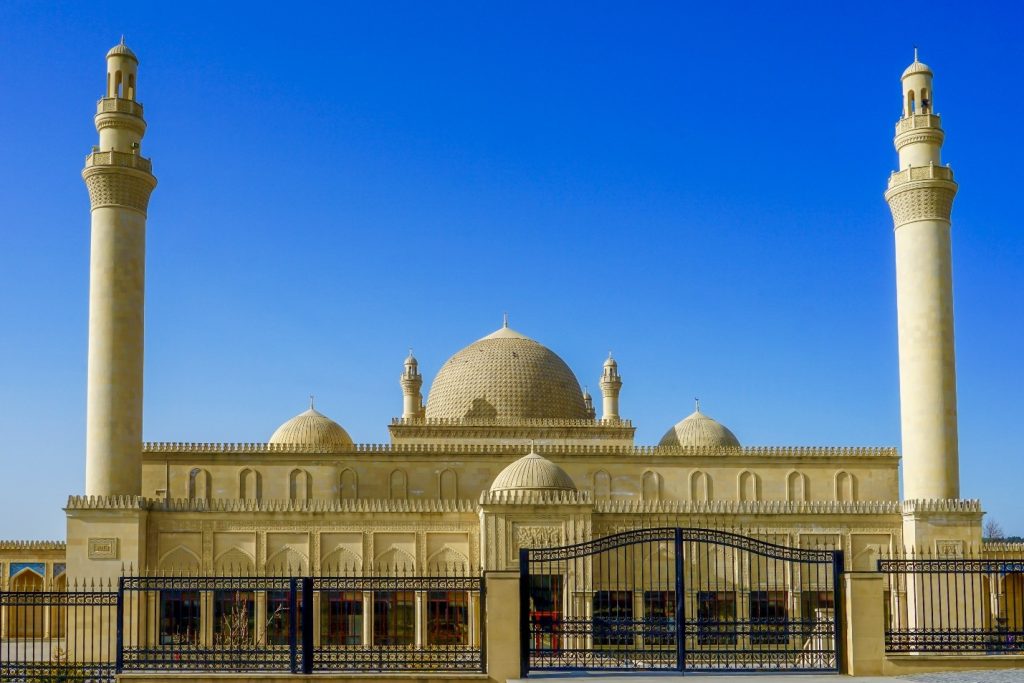
The Juma Mosque in Shamakhi is one of the oldest mosques in the Caucasus, originally built in the 8th century. Though rebuilt several times after earthquakes, it retains its spiritual presence and architectural grace. With its spacious prayer hall and simple elegance, the mosque reflects centuries of devotion. It stands quietly as a symbol of endurance and faith in Azerbaijan’s cultural heartland.
Sheki
Sheki is a charming town nestled in the green foothills of the Caucasus, known for its graceful architecture and artistic soul. Once a key Silk Road stop, it still feels timeless, with cobbled streets and red-tiled roofs. The jewel of the town is the 18th-century Khan’s Palace — a masterpiece of stained glass and painted wood. Local workshops keep the tradition of shebeke alive, creating colorful patterns that catch the light just as they did centuries ago.
Mud Volcanoes
The mud volcanoes of Azerbaijan, scattered across the semi-desert near Gobustan, are a rare and otherworldly sight. These gentle, bubbling domes of cool mud and gas create a quiet, lunar-like landscape. Unlike fiery eruptions, they gurgle and burp softly, forming cones and craters over time. Visiting them feels like stepping into a strange, calm corner of the earth — raw, ancient, and strangely beautiful.
Khan’s Palace
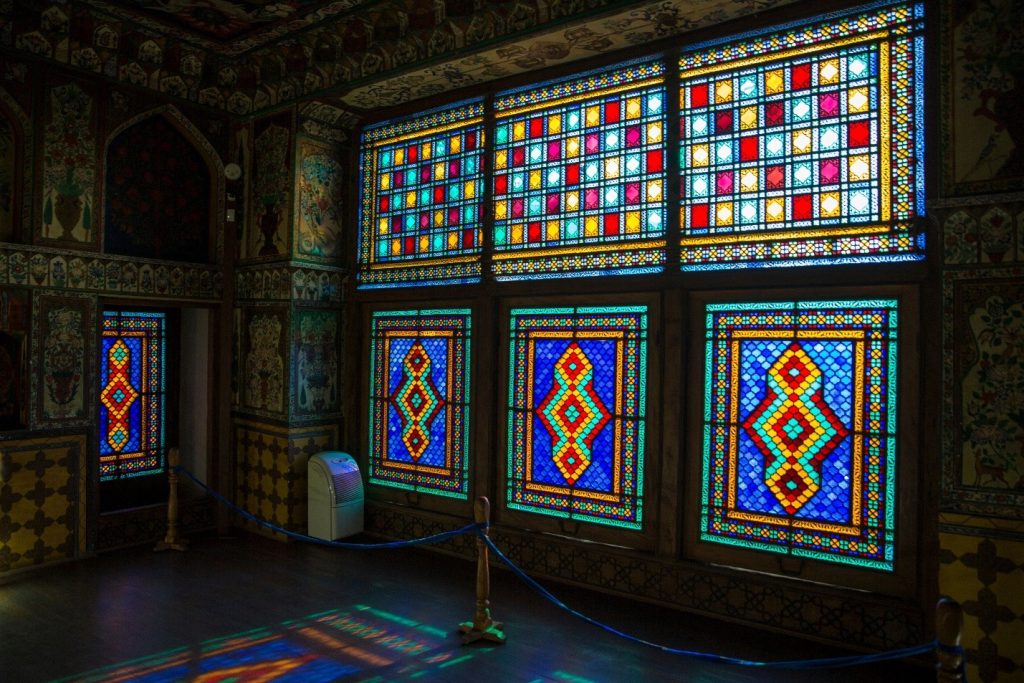
Khan’s Palace in Sheki is a masterpiece of 18th-century Azerbaijani architecture, once the summer residence of local rulers. Hidden behind high stone walls, it surprises with its richly painted interiors and intricate shebeke stained-glass windows. No nails or glue were used — only wood and colored glass, fitted by hand. Surrounded by tall trees and peaceful courtyards, the palace is a graceful reminder of Sheki’s artistic soul and royal past.
Museum of History
The Museum of History in Sheki is housed in a 19th-century building within the old fortress. Its exhibits cover everything from traditional crafts and silk-making to archaeology and local life. It’s a quiet, well-curated space that gives a real sense of Sheki’s cultural depth.
Shebeke stained-glass workshops
Shebeke stained-glass workshops in Sheki keep alive one of Azerbaijan’s finest artistic traditions. Made without glue or nails, each colorful panel is hand-fitted from wood and glass. Watching local masters at work is both calming and mesmerizing — a quiet window into centuries of craftsmanship and pride.