Explore Mongolia with East Site Travel
Explore Mongolia: Gobi Desert, Genghis Khan, and Nomadic Life
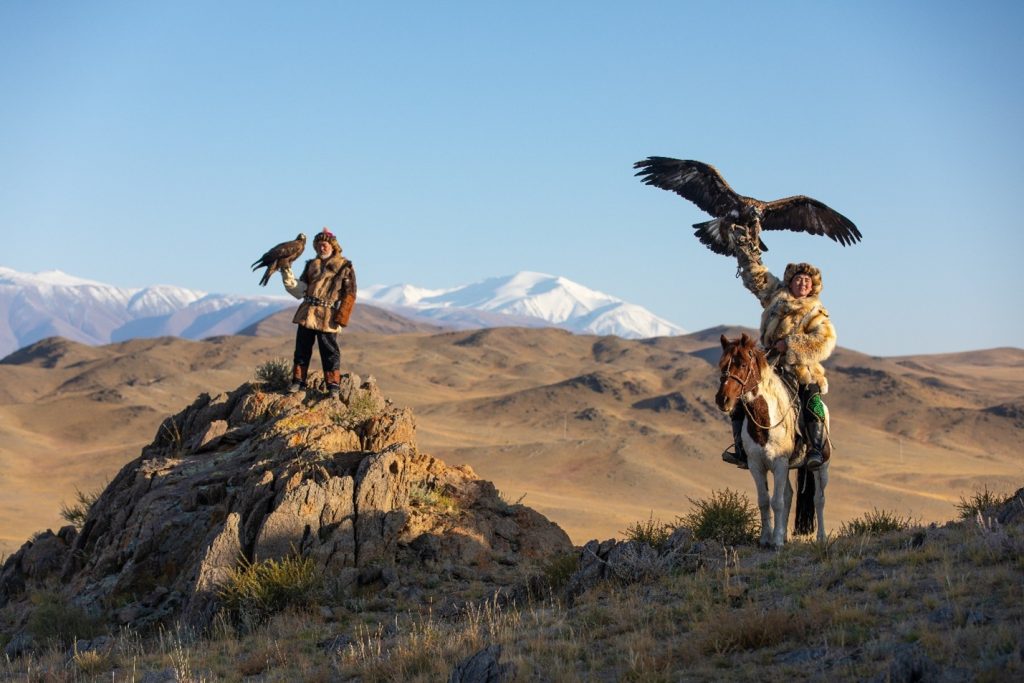
Mongolia offers a rare mix of endless steppe, ancient history, and living nomadic tradition, from the fossil-rich Flaming Cliffs of Bayanzag to the towering Genghis Khan Statue Complex near Terelj National Park. Our Mongolia tour package, offered as part of our 31-day 5 Stans and Mongolia journey, connects Central Asia’s Silk Road cities with Ulaanbaatar’s monasteries and the wild horses of Hustai National Park.
Ready to book Mongolia tour dates? Every departure runs as a true Mongolia small group tour, capped at under 15 travelers, giving you real access to ger camps, nomadic families, and remote sites like Karakorum and Erdene Zuu Monastery that larger tours simply can’t reach.
We offer all-inclusive Mongolia tours covering hotels, meals, transportation, and expert guiding throughout, along with flexible Mongolia travel packages built around your schedule. With over 20 years of regional experience, we handle every detail of this unforgettable journey across two countries.
Ulaanbaatar
Ulaanbaatar is the capital and largest city of Mongolia, located in the north-central part of the country. It is the cultural, political, and economic center of Mongolia, where modern buildings stand alongside historic monasteries and Soviet-era architecture. Key attractions include Gandan Monastery, Sukhbaatar Square, and the Bogd Khan Palace Museum. Despite its rapid development, Ulaanbaatar remains a gateway to Mongolia’s nomadic heritage and traditional lifestyle.
Gandan Buddhist Monastery
Gandan Buddhist Monastery is the largest and most important monastery in Mongolia, located in Ulaanbaatar. It serves as the center of Mongolian Buddhism and is home to hundreds of monks. The highlight of the monastery is the 26-meter gilded statue of Megjid Janraisig, a symbol of compassion. The complex also houses the Mongolian Buddhist University and several beautiful temples. Despite past suppression, Gandan remains a vibrant spiritual site and an active place of worship.
Museum of Mongolian National History
This museum showcases the rich history of Mongolia from prehistoric times to the present day. It features ancient tools, traditional costumes, and displays about the Mongol Empire. The exhibits are well-organized and informative, making it a great introduction to the country’s past. It’s one of the best places to learn about Mongolian heritage.
Sukhbaatar (Chinggis) Square
Located in the heart of Ulaanbaatar, this is the city’s central square. It is surrounded by important buildings, including the Government Palace and National Theater. In the center stands a statue of Damdin Sukhbaatar, and nearby is a massive statue of Genghis Khan. The square is a popular gathering spot and symbol of national pride.
Bogd Khan Palace Museum
This museum was once the winter residence of the 8th Bogd Khan, Mongolia’s last king and spiritual leader. The complex includes seven temples and a richly decorated palace. Inside, visitors can see royal furniture, clothes, and religious artifacts. It gives a glimpse into the lifestyle of Mongolia’s former royalty.
Zaisan Memorial Hill
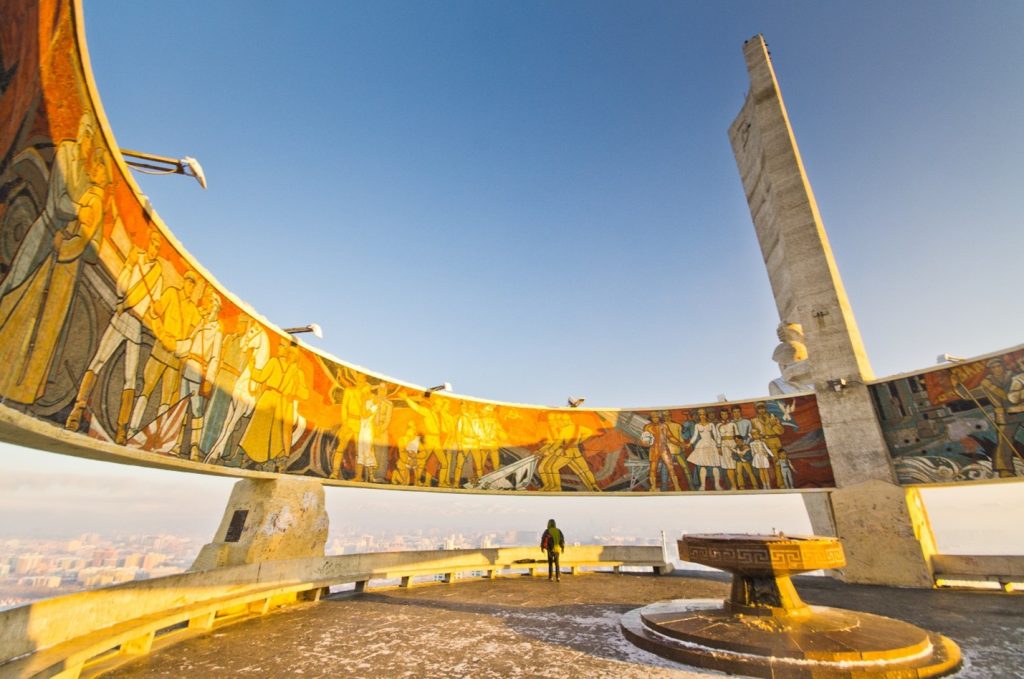
Zaisan Memorial Hill is located on the southern edge of Ulaanbaatar. It was built to honor Soviet soldiers who died during World War II. From the top, visitors enjoy panoramic views of the city and surrounding hills. It’s a popular spot for both tourists and locals.
Dinosaur Museum
The Dinosaur Museum displays real fossils and complete skeletons found in Mongolia. Its main attraction is the Tyrannosaurus Bataar, which was once smuggled out of the country and later returned. The museum is small but fascinating for dinosaur enthusiasts. All exhibits are original, making it a rare experience.
Zanabazar Museum of Fine Arts
This museum is named after Mongolia’s most famous artist and spiritual leader, Zanabazar. It holds a collection of Buddhist art, sculptures, and paintings from different centuries. Visitors can see masterpieces of Mongolian craftsmanship and religious symbolism. The museum also has temporary exhibitions and cultural events.
Naadam Festival (Central Stadium, Ankle-bone shooting, Archery Field, Hui Doloon Hudag)
Naadam is Mongolia’s biggest cultural celebration, held every July. It features the “Three Manly Sports”: wrestling, archery, and horse racing. In Ulaanbaatar, the main events take place at the Central Stadium and Hui Doloon Hudag. The festival also includes colorful parades, traditional costumes, and local food stalls.
Gobi Desert
The Gobi Desert is one of the largest deserts in the world, stretching across southern Mongolia and northern China. It is famous for its stunning landscapes, including sand dunes, rocky mountains, and wide valleys. The desert is home to unique wildlife and important paleontological sites, such as Bayanzag, where the first dinosaur eggs were discovered. Visitors can hike in Yol Valley, see the Flaming Cliffs, and experience the nomadic lifestyle at local ger camps. Despite its harsh climate, the Gobi offers unforgettable adventures and breathtaking natural beauty.
Yol Valley (Yolyn Am)
Yol Valley is a deep and narrow gorge located in the Gurvansaikhan Mountains of the Gobi Desert. Despite being in a desert, the valley remains icy for most of the year due to its shaded cliffs. Visitors can enjoy soft hikes along streams and spot wildlife like wild goats and lammergeiers. The scenery is breathtaking, with wildflowers, rocks, and green meadows tucked between towering cliffs.
Bayanzag (Flaming Cliffs)
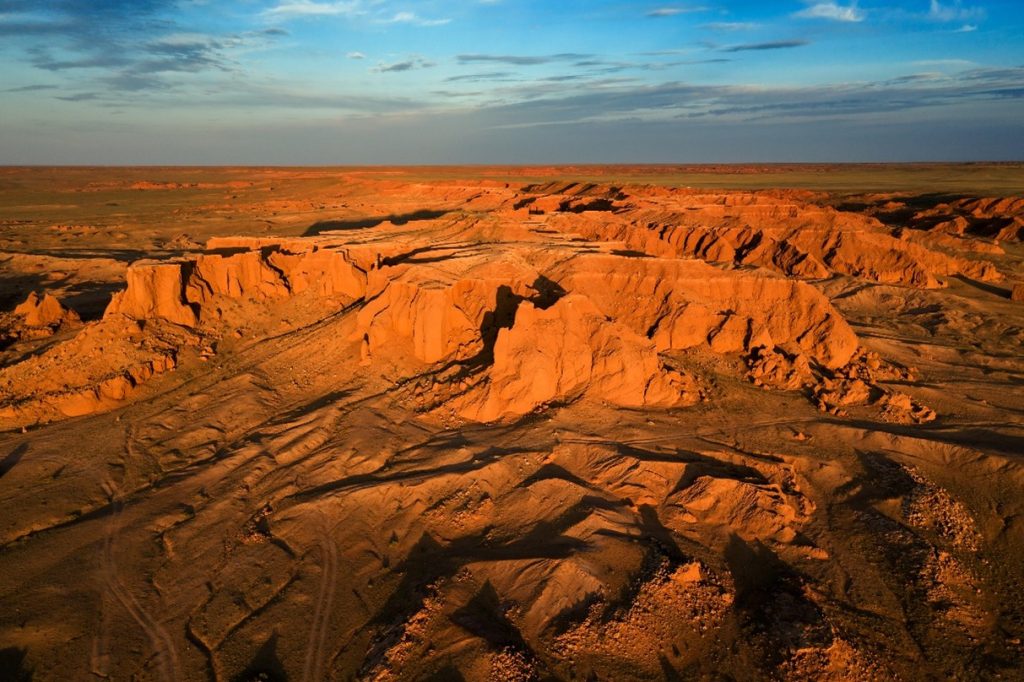
Bayanzag is world-famous as the site where the first dinosaur eggs were discovered by Roy Chapman Andrews in the 1920s. The red sandstone cliffs glow like fire at sunset, giving the place its name — Flaming Cliffs. Fossilized dinosaur bones are still occasionally found here. Visitors can walk among the formations and feel the thrill of standing on a real paleontological site.
Mongol Gobi Ger Camp (Roy Chapman Andrews video)
This traditional ger camp is located near Bayanzag and offers a comfortable base in the desert. Guests can watch an informative video about Roy Chapman Andrews and the American expedition that made groundbreaking dinosaur discoveries in the 1920s. The film tells how fossils were packed on camels and transported across the Gobi. It’s a great way to connect the landscape with its scientific history.
Hustai National Park
Hustai National Park is located about 100 km from Ulaanbaatar and is famous for being home to the world’s last wild horses — the Przewalski’s horses (takhi). The park also hosts deer, marmots, foxes, eagles, and over 200 bird species. Visitors can enjoy hiking or wildlife watching, especially at dawn and dusk. It’s a popular eco-tourism destination with ger camps and beautiful steppe scenery.
Wild Przewalski’s Horses (Takhi) observation
Hustai National Park is the best place in the world to see wild Przewalski’s horses, also known as takhi. These rare horses were once extinct in the wild but were successfully reintroduced in Mongolia. Visitors can observe them roaming freely in their natural habitat, especially near the Tuul River during early morning or evening hours. Watching these ancient animals in the wild is a truly unforgettable experience.
Karakorum
Karakorum is the ancient capital of the Mongol Empire, founded by Genghis Khan in the 13th century. Though little remains of the original city, it was once a major center of politics, trade, and culture on the Silk Road. Today, visitors can explore the Karakorum Museum and the nearby Erdene Zuu Monastery — the oldest Buddhist monastery in Mongolia. The area offers insight into Mongolian imperial history and religious heritage.
Karakorum Museum
The Karakorum Museum is located near the site of the ancient Mongol capital founded by Genghis Khan. It presents archaeological findings from the area, including artifacts from the 13th-century city. Visitors can see tools, weapons, ceramics, and a detailed scale model of how the city once looked. The museum offers insight into the rise and fall of this historic Silk Road center.
Erdene Zuu Monastery
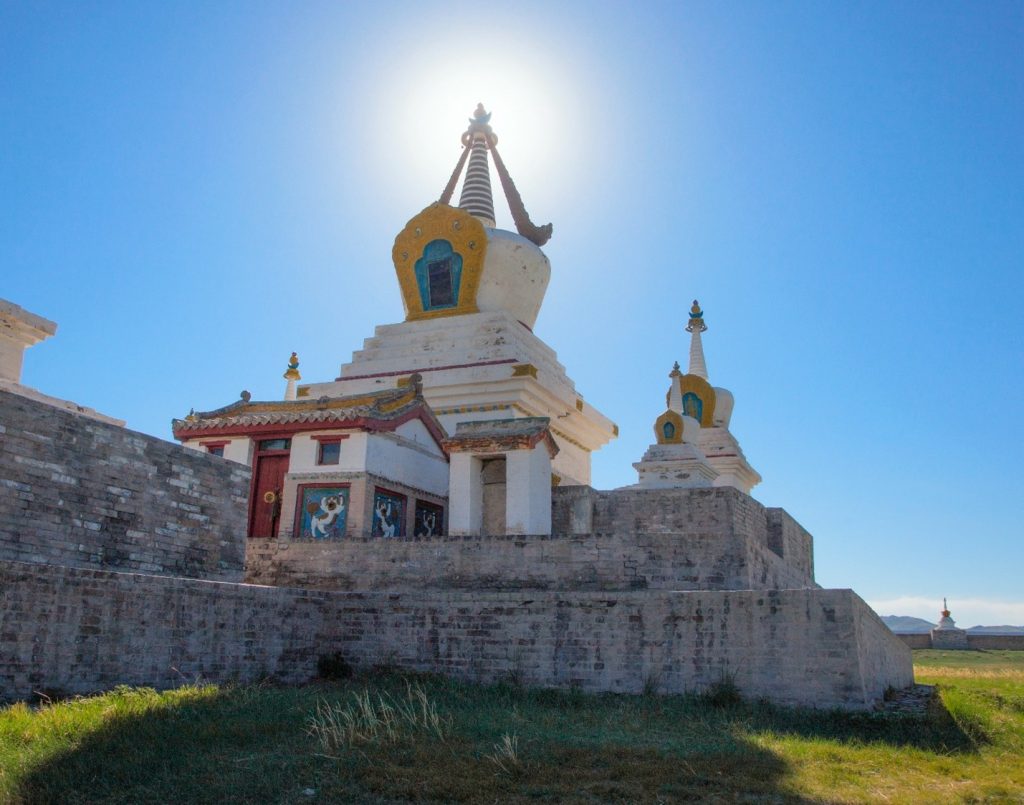
Erdene Zuu is the oldest Buddhist monastery in Mongolia, built in the 16th century on the ruins of ancient Karakorum. It is surrounded by a wall with 108 stupas and contains beautiful temples with colorful Buddhist art. Despite suffering damage during communist purges, the monastery remains an active religious site. Visitors can hear monks chanting and explore the spiritual and architectural beauty of this sacred place.
Hugnu Khan National Park & Bayan Gobi
Hugnu Khan National Park is a unique place where mountains, steppe, and desert meet in one area. It features rocky hills, the Elsen Tasarkhai sand dunes (also called “Mini Gobi”), and historical sites like Uvgun Monastery. Visitors can hike, ride camels or horses, and visit local nomadic families. The park is known for its beautiful landscapes and rich cultural atmosphere.
Hugnu Khan Mountain
Hugnu Khan is a dramatic rocky mountain located in central Mongolia. It stands out in the landscape, surrounded by steppe and desert terrain. The area is ideal for hiking, wildlife watching, and photography. The mountain’s granite formations are both beautiful and historically significant, as they have been used as shelter and sacred ground for centuries.
Uvgun Monastery
Uvgun Monastery lies at the base of Hugnu Khan Mountain and was originally built in the 17th century. It was destroyed during internal Mongolian conflicts but later partially restored. Surrounded by stunning rock formations, the ruins offer a peaceful and spiritual atmosphere. Visitors can hike to the site and enjoy views of the semi-desert scenery along the way.
Bayan Gobi Sand Dunes
These are unique sand dunes in the middle of Mongolia, also called the “Mini Gobi.” The dunes stretch for about 80 km and are surrounded by mountains, grassy steppe, and small streams. Visitors can walk on the golden sands, ride camels, or visit nearby nomadic families. It’s a beautiful mix of desert and green landscapes in one place.
Genghis Khan Statue Complex & Terelj National Park
The Genghis Khan Statue Complex is the world’s largest equestrian statue, standing 40 meters tall. Visitors can go up to the horse’s head for panoramic views. Nearby, Terelj National Park offers stunning landscapes, Turtle Rock, and the hilltop Aryabal Meditation Temple. It’s a popular place to hike, ride horses, and visit nomadic families.
Genghis Khan Statue Complex
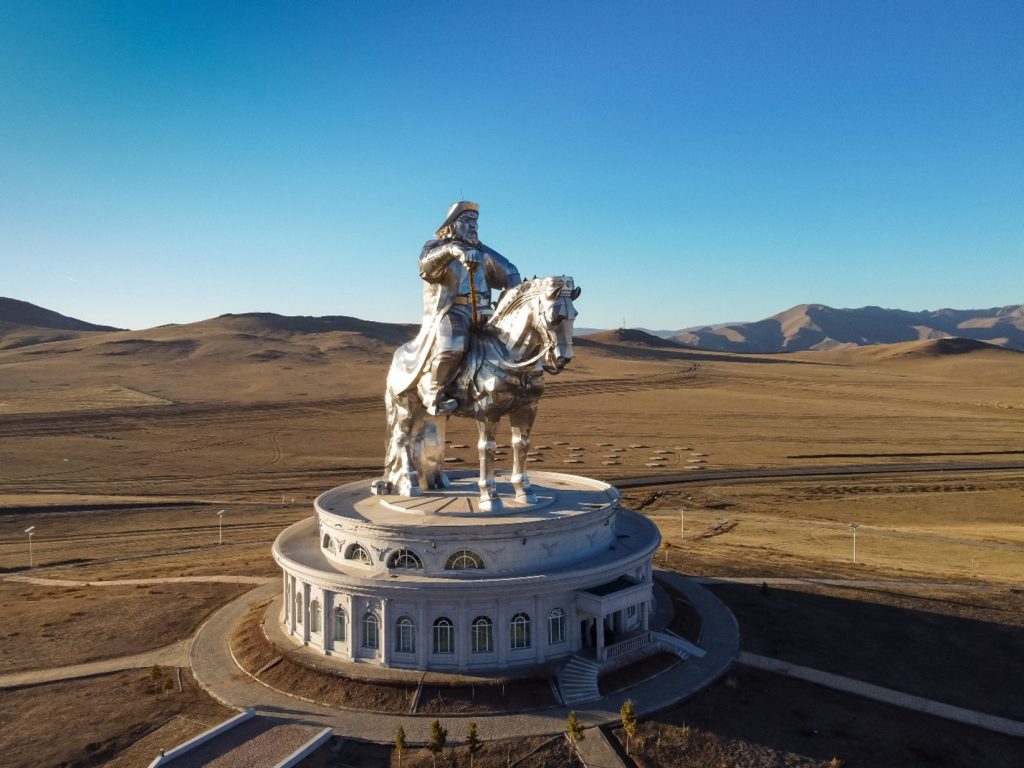
The Genghis Khan Statue Complex features the world’s largest equestrian statue, standing 40 meters tall. Visitors can take an elevator or stairs up to the horse’s head for a panoramic view of the surrounding landscape. At the base, there’s a museum showcasing Mongol Empire history and traditional artifacts. The statue symbolizes the strength and legacy of Mongolia’s greatest leader.
Terelj National Park
Located just outside Ulaanbaatar, Terelj National Park is known for its scenic alpine landscapes, granite cliffs, and fresh air. It offers hiking, horseback riding, and camping in a peaceful natural setting. The park is home to many unique rock formations and is a favorite weekend escape for both tourists and locals. Its mix of nature and cultural experience makes it one of the most visited parks in Mongolia.
Turtle Rock

Turtle Rock, or “Melkhii Khad,” is a large rock formation that naturally resembles a giant turtle. It’s one of the most photographed landmarks in Terelj National Park. The area around it is perfect for a short hike or picnic. Its unique shape and peaceful surroundings make it a fun and easy stop for visitors of all ages.
Ariyabal Meditation Temple
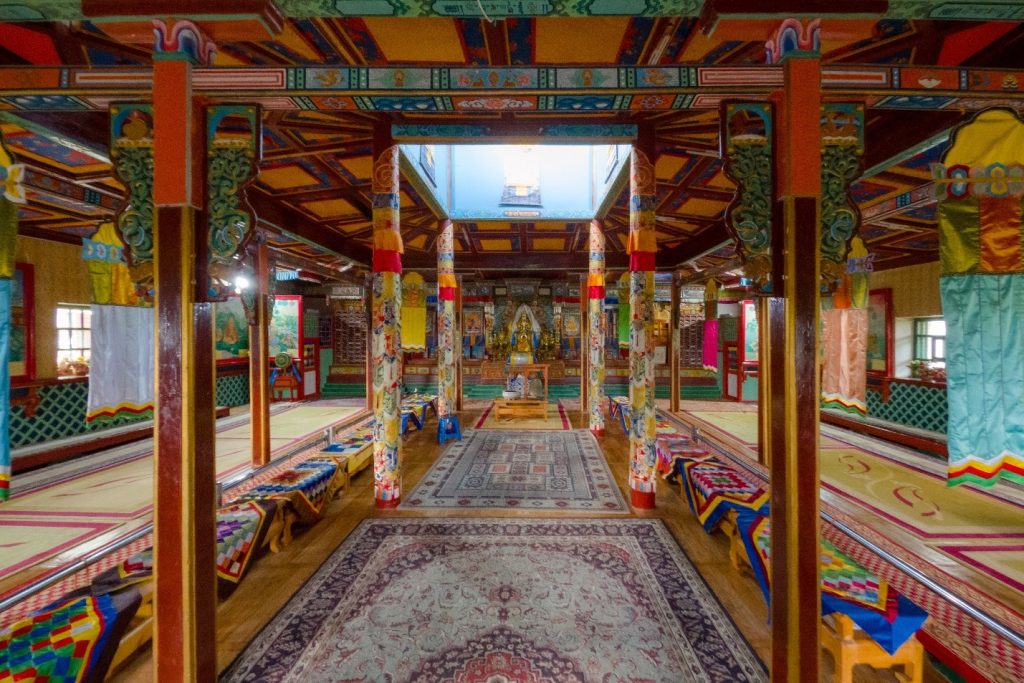
Ariyabal Meditation Temple sits on a hilltop, surrounded by dramatic rocky mountains. Visitors reach it by climbing a path lined with Buddhist wisdom signs and prayer wheels. The temple is a peaceful retreat for reflection, offering breathtaking views of the park from the top. It’s a meaningful spiritual and physical journey for many.