Travel to China
China is a vast and layered land — ancient yet always moving forward. In its far western reaches, the landscapes shift from desert sands to green oases, where once the great caravans passed.
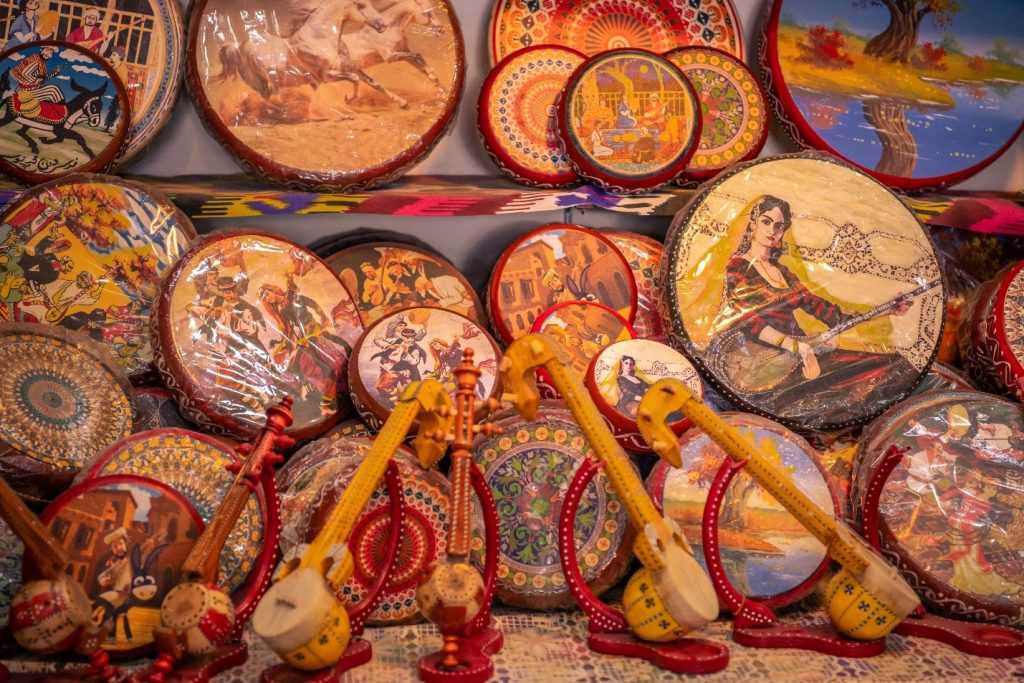
Here, the rhythm of the Silk Road still lingers: in quiet ruins, vibrant markets, and the faces of people whose ancestors traded silk, jade, and stories with the world.
Urumqi
Urumqi is a modern city set against a backdrop of distant mountains and desert plains. Once a quiet stop on trade routes, today it blends ancient cultures with contemporary life. In its museums, the past is still vivid — from Silk Road treasures to remarkably preserved mummies. It’s a place where you begin to sense the scale of the journeys that once passed through these lands.
Xinjiang Regional Museum
The Xinjiang Regional Museum in Urumqi offers a vivid doorway into the region’s deep and diverse past. Its exhibits trace the Silk Road’s impact through ancient artifacts, traditional costumes, and strikingly preserved mummies from the desert. Each hall reveals the blend of cultures that once moved through these lands — traders, nomads, and settlers — all leaving behind pieces of their story.
Turpan
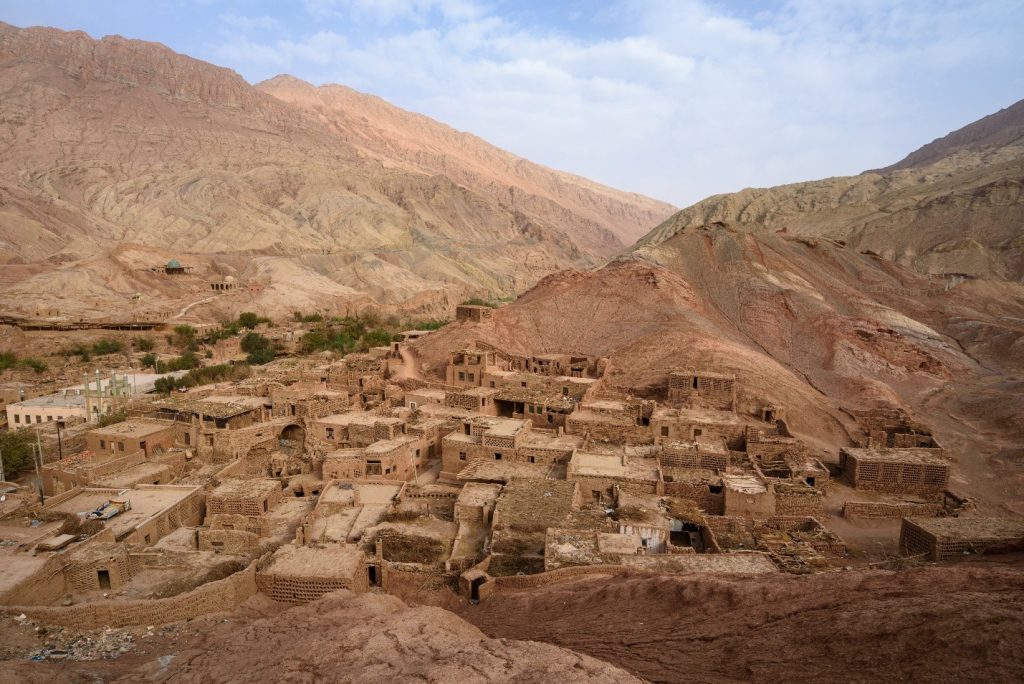
Turpan is a place of sharp contrasts — blazing sun, deep green vineyards, and cool shade hidden underground. Life here has always been about adaptation: carving out shelter in caves, channeling water through ancient karez, growing sweetness in the heart of the desert. It’s not just history that lingers here — it’s the feeling that people have always known how to survive, thrive, and welcome travelers along the way.
Tuyoq ancient village
Tuyoq is a quiet, sunbaked village tucked between dry cliffs and vineyards. Its narrow lanes, earthen homes, and distant call to prayer reflect centuries of tradition. Nearby, ancient Buddhist caves carved into the rock whisper of an even older time. It’s a place where faith, history, and daily life still move at the same steady rhythm.
Bezeklik Thousand Buddha Caves
The Bezeklik Thousand Buddha Caves lie hidden in the cliffs above Turpan, carved by monks between the 5th and 14th centuries. Inside, faded but graceful murals depict serene Buddhas, silk-robed donors, and desert landscapes. Though time and conquest have worn them, the caves still hum with quiet devotion — a testament to the meeting of faith and trade along ancient roads.
Grape Valley
Grape Valley is a lush green ribbon winding through the desert near Turpan. Shaded by trellises heavy with sweet grapes, it offers cool relief from the surrounding heat. For centuries, travelers stopped here to rest and taste the fruit of this unlikely oasis — a place where nature and tradition still flourish side by side.
Karez irrigation system
The Karez irrigation system is an ancient marvel hidden beneath the sands of Turpan. Built over 2,000 years ago, it carries mountain water through underground channels to the desert below. Silent and unseen, it made life possible in one of the driest places on earth — a quiet triumph of human ingenuity.
Emin Minaret and Mosque
The Emin Minaret rises gracefully from the desert floor, its brickwork spiraling toward the sky. Built in the 18th century, it stands beside a peaceful mosque, together forming one of Turpan’s most iconic landmarks. Simple yet striking, the minaret reflects both local tradition and timeless devotion.
Jiaohe Ancient City
Jiaohe Ancient City rests on a high plateau between two rivers, carved from the earth itself. Once a thriving Silk Road city, its wide streets, temples, and homes now lie silent under the sun. Walking through its ruins feels like stepping back into a world long vanished — yet still quietly present in stone and dust.
Kashgar
Kashgar feels like a city from another time — where winding alleys, tall minarets, and bustling bazaars create a world full of color and movement. Once a major crossroads of trade and culture, it still carries the pulse of the Silk Road. In the scent of spices, the sound of prayer, and the rhythm of the market, you feel the meeting of worlds. Here, every corner tells a story.
Grand Sunday Bazaar
The Grand Sunday Bazaar in Kashgar is a swirl of color, scent, and sound — one of the oldest and largest markets in Central Asia. Traders offer everything from spices and silks to livestock and handmade tools. It’s more than a market; it’s a living crossroads where centuries of trade and culture still meet.
Idkah Mosque
Idkah Mosque is the spiritual heart of Kashgar, its golden facade glowing in the sun. Built in the 15th century, it remains one of the largest and most active mosques in China. On Fridays and holidays, its courtyard fills with thousands of worshippers, echoing centuries of devotion and tradition.
Apak Khoja’s Tomb
Apak Khoja’s Tomb is a striking blend of sacred beauty and quiet reverence. Its turquoise dome and glazed tiles shimmer against the desert light, drawing visitors into a peaceful courtyard lined with old trees. Built in the 17th century, it holds the remains of a powerful Sufi leader and his family — including, as legend says, the famous Fragrant Concubine. Walking its shaded paths, you feel the weight of devotion, memory, and myth woven together in one timeless place.
Atush
Atush is a quiet town nestled between dry hills and open sky, where traces of the past still shape daily life. Simpler and slower than the larger cities, it offers glimpses of ancient Buddhist heritage and traditional village rhythms. In its calm, you sense the enduring spirit of the old routes — a pause between journeys.
Mor Stupa
Mor Stupa stands quietly on the edge of Atush, the last trace of a once-great Buddhist temple. Weathered by time and sun, its simple shape holds centuries of silence. Though little remains, it whispers of the days when pilgrims and monks passed through, following faith across desert and mountain.
Atush Village
Atush Village offers a peaceful glimpse into traditional life in Xinjiang. Surrounded by dry hills and open skies, it moves at a slower pace. Locals tend their gardens, chat in shaded courtyards, and carry on customs shaped by desert and mountain. It’s a quiet pause in a land of long journeys.