Discover Norway: The Ultimate Travel Guide
Norway is a breathtaking destination at the edge of Northern Europe, famous for its deep-blue fjords, majestic mountains, and the ethereal glow of the Northern Lights.
Explore Norway with this informational travel guide from East Site Travel. Discover Viking history, coastal charm, and dramatic landscapes in Oslo, Bergen, Flåm, and the Arctic North. A perfect starting point for travelers seeking small-group tours or a deeper connection to Scandinavia’s natural wonders.
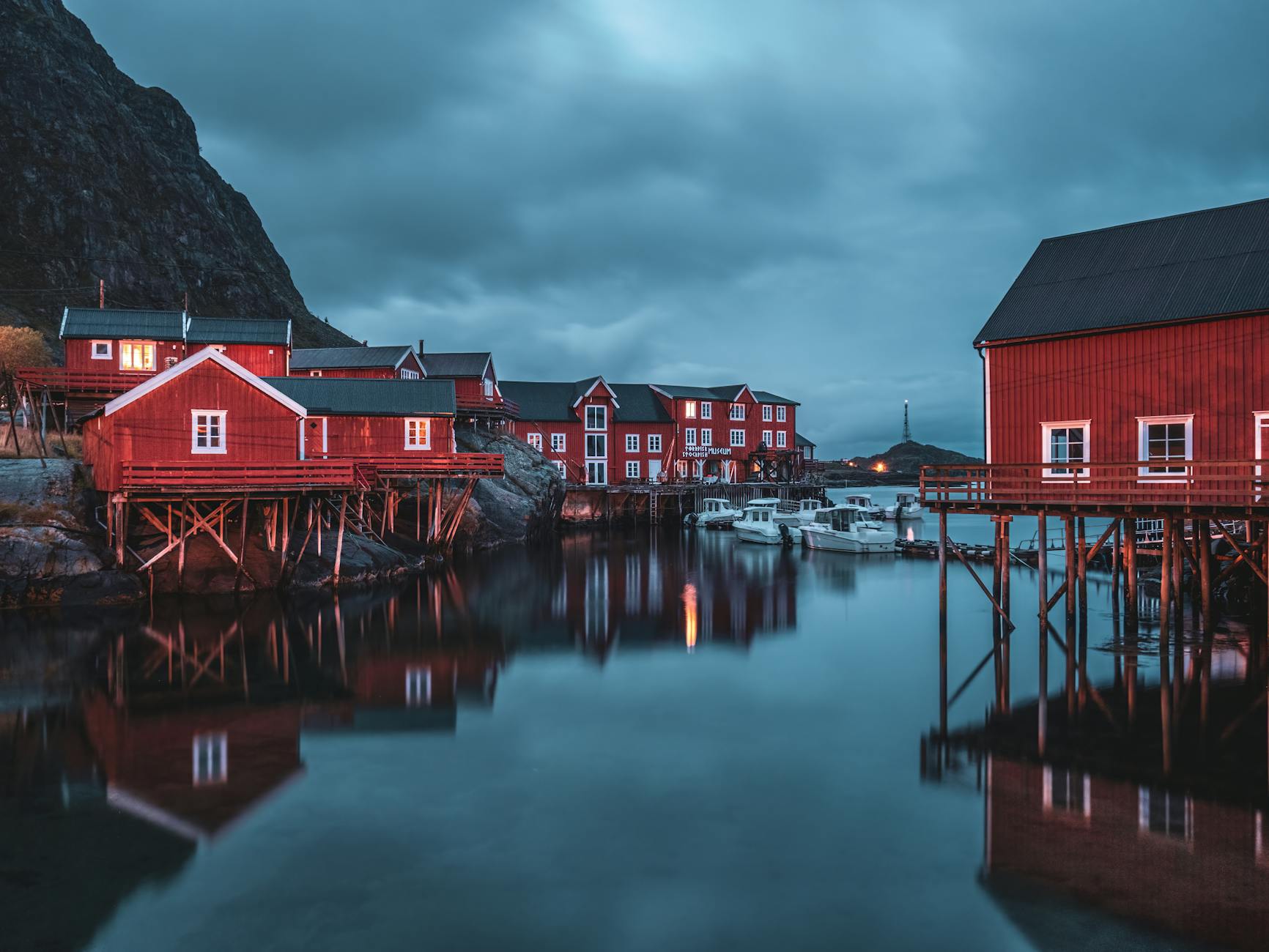
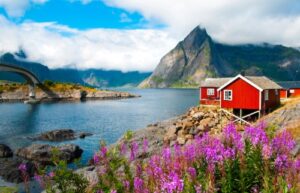
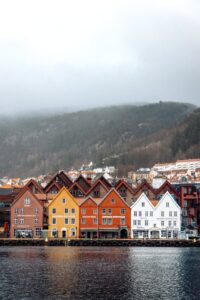
Traditional red stilt houses line the edge of a quiet Norwegian fjord, showcasing the timeless charm of Norway’s coastal villages.
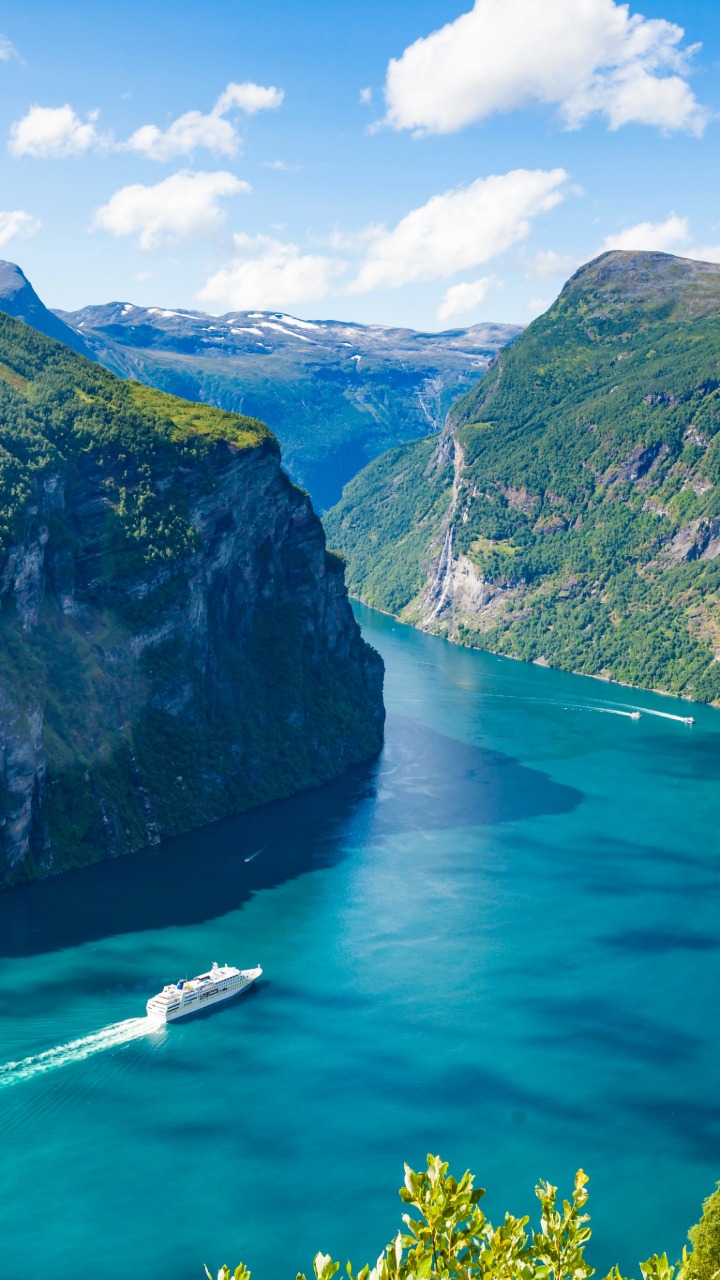
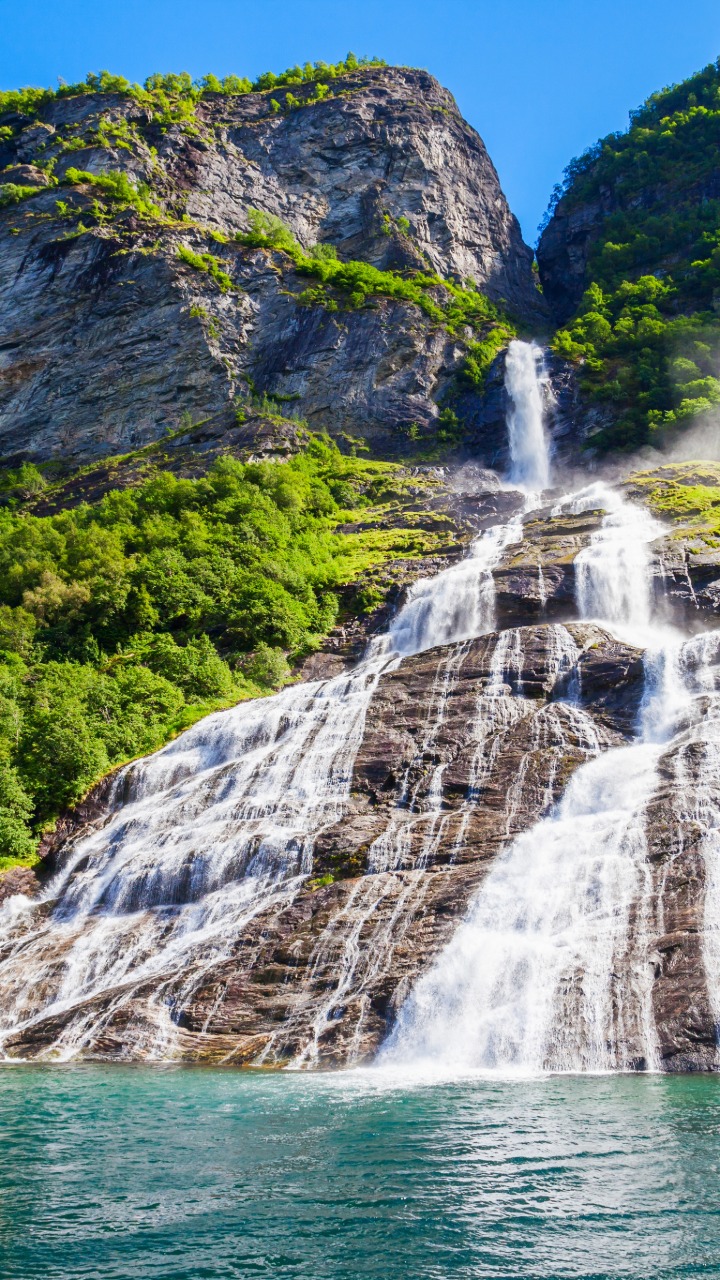
Geirangerfjord, offering one of Norway’s most iconic fjord views.
Discover Norway: Fjords, Northern Lights, and Viking Heritage
From the vibrant streets of Oslo to Bergen’s colorful Hanseatic wharf and the emerald waters of Geirangerfjord, Norway offers landscapes unlike anywhere else on Earth. Our all-inclusive Norway tour takes you through the “Norway in a Nutshell” corridor, including the legendary Flåm Railway, before venturing north to Tromsø for a chance at the Northern Lights.
For travelers seeking something more elevated, our best Norway luxury tour options feature historic fjord-side hotels, private fjord cruises, and curated access to Norway’s most photographed landscapes, from Trolltunga to Preikestolen, with private guides available on request.
Explore our range of Norway travel packages, each built with the same expert small-group pacing that defines our Central Asia tours. Every Norway vacation package all inclusive covers hotels, meals, transportation, and expert local guiding, so you can focus on the fjords, the Midnight Sun, and the Arctic sky above you, with new departures throughout the year.
When to Visit Norway: Seasons of Light and Ice
Choosing the right time to visit Norway depends entirely on what you want to experience. Because the country stretches so far north, the difference between seasons isn’t just about temperature—it’s about the presence of light itself.
Summer (June – August): The Midnight Sun
This is the peak season for exploring the fjords and coastal cities. The weather is mild, and in the far north, the sun never sets.
Best For: Hiking, fjord cruises, and outdoor festivals.
Highlight: The Midnight Sun provides 24 hours of daylight, allowing for “nighttime” adventures that feel surreal and endless.
Autumn (September – October): The Golden Harvest
As the crowds thin out, the landscape turns into a vibrant palette of oranges and reds. This is a “shoulder season” that offers a quieter, more local experience.
Best For: Photography, mountain trekking, and avoiding the peak summer prices.
Highlight: The first dusting of snow on the peaks against the autumn leaves creates stunning contrast.
Winter (November – March): The Northern Lights
Winter transforms Norway into a snowy wonderland. While the days are short (and “Polar Night” takes over the north), the darkness is the canvas for Norway’s greatest show.
Best For: Dog sledding, skiing, and Arctic culture.
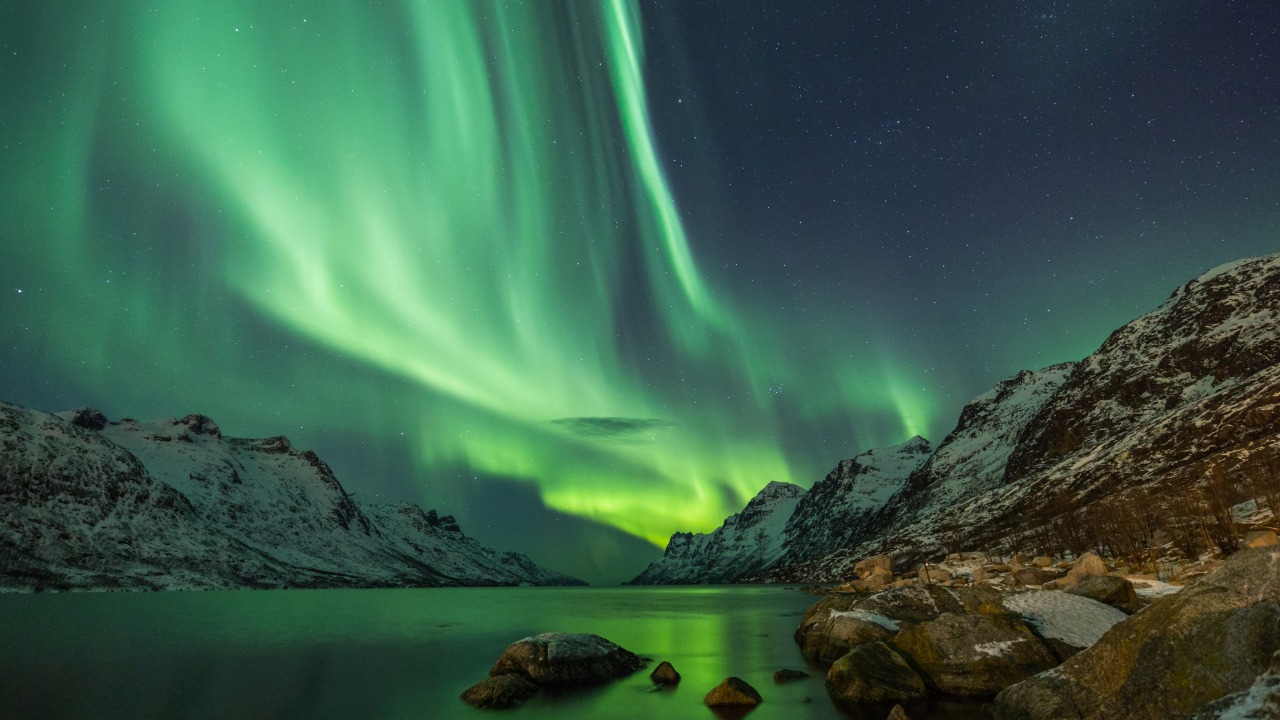
Highlight: Hunting the Northern Lights (Aurora Borealis). Cities like Tromsø become global hubs for travelers chasing the green and violet dancing lights.
Spring (April – May): The Fjord Awakening
This is perhaps the most dramatic time to see the fjords. As the snow melts, thousands of waterfalls come to life, cascading down the mountainsides with incredible power.
Best For: Seeing the fruit blossoms in Hardanger and experiencing the massive waterfalls at their peak.
Highlight: Constitution Day (May 17th), where you can see Norwegians in their traditional Bunad dress celebrating in the streets.
Norway People
Norway’s true character is found in its people, who are defined by a deep-rooted egalitarianism and a legendary love for the outdoors. While Norwegians may appear reserved at first, they possess a “warm heart under a cool exterior.” Once a conversation begins, you’ll find them to be honest, direct, and incredibly helpful.
The population is deeply connected to the concept of “Kos”—a Norwegian state of mind focused on coziness, togetherness, and finding joy in simple pleasures. Whether it’s sharing a coffee in a mountain hut or gathering for a festival in the city, this sense of community is central to life. You will also encounter the indigenous Sami people in the North, whose rich heritage of reindeer herding and joik music adds a profound cultural layer to the Norwegian identity.
Norway Culture
Norway’s culture is a blend of Viking grit, maritime tradition, and modern Scandinavian design. The spirit of “Friluftsliv” (outdoor life) isn’t just a hobby; it’s a cultural philosophy. You’ll see Norwegians of all ages hiking, skiing, and sailing, regardless of the weather.
Traditional Arts & Architecture: The country is home to rare Stave Churches, medieval wooden structures that look like something out of a legend. In the cities, you’ll find the legacy of world-famous artists like Edvard Munch, whose masterpiece The Scream was inspired by the hills of Oslo.
Cuisine: Food is a window into the rugged landscape. From Røkelaks (smoked salmon) and fresh Atlantic cod to the unique Brunost (sweet brown cheese) and heart-shaped waffles with jam, Norwegian flavors are fresh, local, and authentic.

Top Locations to Visit in Norway
Oslo
Oslo, the capital of Norway, is a dynamic hub where modern architecture meets dense forests and the scenic Oslofjord. It is one of the world’s greenest cities, offering world-class museums alongside peaceful parks.
Vigeland Sculpture Park: The world’s largest sculpture park made by a single artist, featuring over 200 bronze and granite figures.
Akershus Fortress: A 13th-century medieval castle that has protected the city for centuries, offering stunning views of the harbor.
The Munch Museum: A striking modern landmark dedicated to the life and works of Edvard Munch.
The Opera House: An architectural marvel designed to look like a glacier rising from the fjord; you can even walk on its roof!
Bergen
Bergen is the “Gateway to the Fjords” and perhaps Norway’s most beautiful city. Surrounded by seven mountains and steeped in maritime history, it is famous for its rain-slicked cobblestones and vibrant atmosphere.
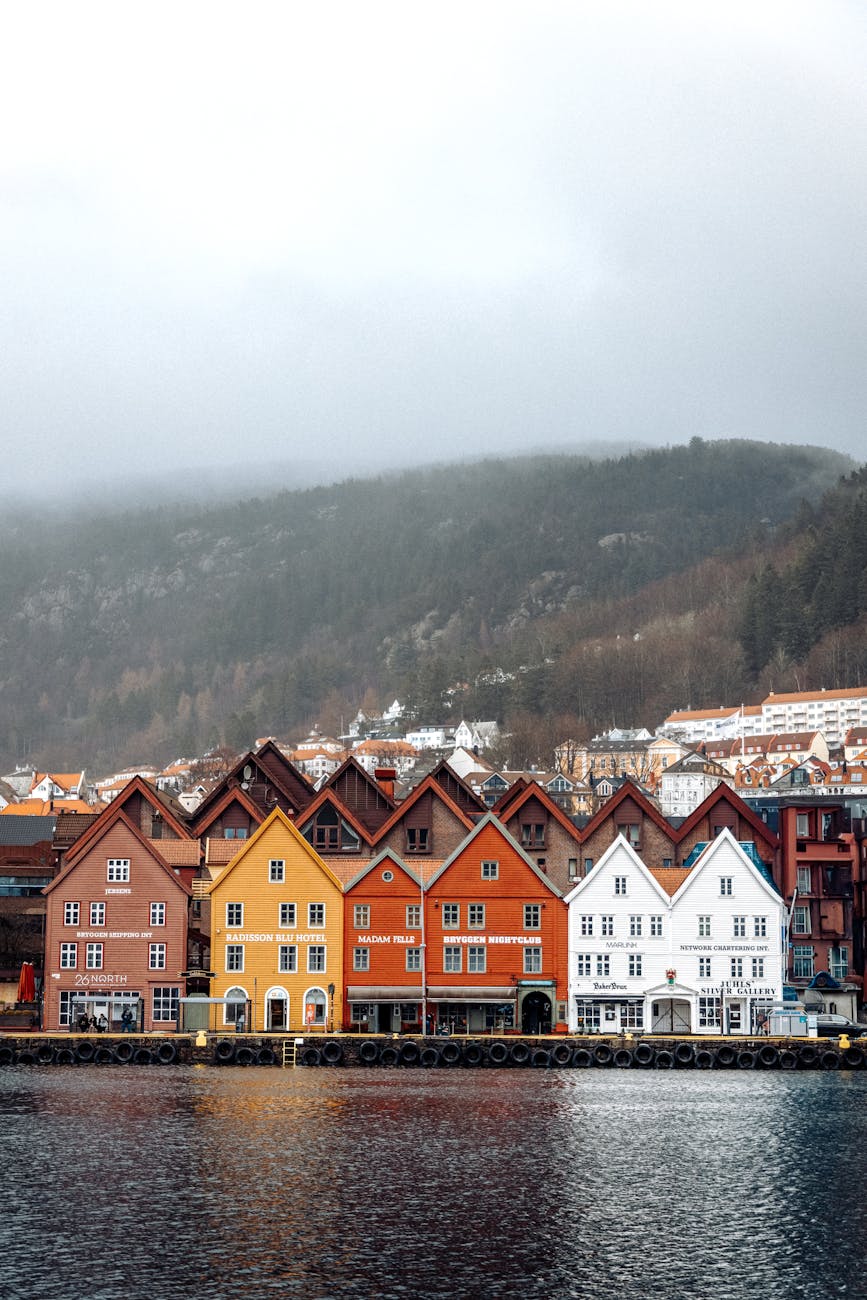
Bryggen Hanseatic Wharf: A UNESCO World Heritage site featuring colorful wooden houses that date back to the city’s days as a trading power.
Fløibanen Funicular: A short cable car ride that whisks you to the top of Mount Fløyen for a panoramic view of the city and sea.
Fish Market (Fisketorget): One of Norway’s most visited outdoor markets, where you can sample fresh king crab, scallops, and shrimp.
The Fjords & Beyond
The Flåm Railway: Often called the most beautiful train journey in the world, descending from high mountains to the edge of the Aurlandsfjord.
Geirangerfjord: A UNESCO-protected site famous for the “Seven Sisters” waterfalls and sheer mountain walls.
Tromsø: The “Paris of the North,” located above the Arctic Circle and one of the best places on Earth to see the Northern Lights.
Scandinavia Small Group Tours from the USA: Exploring Hidden Coastal Villages
Discover intimate, senior-friendly Scandinavia small group tours from the USA. Explore hidden coastal villages with expert guides and seamless logistics.
Norway Tours for Silk Road Travelers
If you loved the Silk Road, Norway is the natural next step. Same expert-led pacing, same small groups, entirely new landscape. 2026 departures now open.
Norway Travel Tips: What You Need to Know
Planning a trip to the North is different from traveling through Central Asia or Southern Europe. Here are the quick essentials to help you navigate with ease.
The “Expensive” Reality: It’s no secret—Norway is one of the most expensive countries in the world. A standard lunch can easily cost $30, and alcohol is heavily taxed. Tip: Embrace the local supermarket culture and “Engangsgrill” (disposable grills) for a scenic, budget-friendly fjord-side meal.
Currency & Cards: Norway is nearly a cashless society. You can pay for everything—from a hot dog at a gas station to a mountain ferry—with a credit card (Visa and Mastercard are preferred). Carrying physical Krone is rarely necessary.
Language: While Norwegian is the official language, English proficiency is exceptionally high. You will have no trouble communicating in shops, hotels, or even remote mountain outposts.
Transportation: The journey is the destination here.
Trains: The Vy rail network offers some of the world’s most scenic routes.
Ferries: These are the lifeblood of the coast; many are “floating highways” that you simply drive onto.
Hurtigruten: The legendary coastal steamer is the best way to see the jagged shoreline from Bergen to the Russian border.
Weather Expectations: The weather is notoriously fickle. You can experience “four seasons in one day.” The golden rule: Always dress in layers and never trust a clear sky to stay that way for long.
Discover more travel tips with our free travel guides:
How to Navigate Norway’s Coastal Ferries: A First-Timer’s Guide (Coming Soon)
5 Genius Ways to Save Money on a Norway Road Trip (Coming Soon)
Central Asia Facts: 7 Surprising Insights for Travelers
Unlock incredible Central Asia facts that challenge everything you know. This often-overlooked region is a treasure trove of untold stories, vibrant cultures, and breathtaking landscapes far beyond common perception. From ancient Silk Road secrets still being unearthed to cultural diversity rivaling Europe’s, explore the hidden gems and spectacular natural wonders waiting for you off the well-worn path. Discover why Central Asia is the ultimate destination for curious, comfort-seeking travelers.
Best Norway Travel Tips for First-Time Visitors
This guide covers the essential logistics for first-time visitors to Norway, where dramatic landscapes meet efficient, modern infrastructure. From mastering the scenic public transport network and navigating a predominantly cashless society to packing for the country’s famously unpredictable weather, we provide the practical tools you need for a seamless adventure. Discover how to embrace the “right to roam,” manage costs at local markets, and travel with the quiet respect that defines Norwegian culture. Prepare for the awe of the fjords with confidence.
Unforgettable Norway: Signature Experiences
Norway isn’t just a place you see; it’s a place you feel. From the silent power of the fjords to the electric dance of the atmosphere, these are the moments that define a journey through the North.
The Celestial Dance: Northern Lights in Tromsø
Above the Arctic Circle, the night sky becomes a stage. Tromsø, often called the “Capital of the Arctic,” sits directly under the Auroral Oval, making it one of the most reliable places on earth to witness the Northern Lights. Watching green and violet ribbons of light pulse across the sky while standing on a frozen tundra is a bucket-list experience that defies description.
Majestic Silence: Fjord Cruises & Navigation
To truly understand Norway, you must see it from the water. Whether you are navigating the narrow Nærøyfjord (a UNESCO site) or the iconic Geirangerfjord, the scale is humbling. Waterfalls like the “Seven Sisters” tumble hundreds of feet down sheer granite walls into emerald waters, creating a serene, cathedral-like atmosphere that can only be reached by boat.
The Edge of the World: Hiking Trolltunga and Preikestolen
For those who prefer a “boots-on-the-ground” approach, Norway’s hiking trails are legendary. Standing on Preikestolen (Pulpit Rock), a flat plateau hovering nearly 2,000 feet above the Lysefjord, offers a perspective of the earth you won’t find anywhere else. For the truly adventurous, the trek to Trolltunga (The Troll’s Tongue) rewards hikers with a dramatic rock formation jutting out over the void—a true test of nerves and a photographer’s dream.
The World’s Most Beautiful Voyage: The Hurtigruten
Since 1893, the Hurtigruten has been the lifeline of the Norwegian coast. This isn’t a typical cruise; it’s a working postal and passenger ship that ducks into tiny ports and grand fjords that larger ships can’t reach. It offers a front-row seat to the changing landscape, from the lush mountains of the south to the jagged, lunar-like terrain of the Arctic North.
Echoes of the Middle Ages: Historic Stave Churches
Norway’s architectural soul is preserved in its Stave Churches. These medieval wooden structures, characterized by tiered roofs and intricate dragon carvings, are a fusion of Christian tradition and Viking artistry. Visiting a site like Borgund or Heddal feels like stepping back 800 years into a Norse saga, where the scent of aged pine and tar still lingers in the air.
Under the Northern Lights paragraph, link to: Chasing the Aurora: A Guide to the Best Northern Lights Tours in Tromsø
Under the Hiking paragraph, link to: Preikestolen vs. Trolltunga: Which Iconic Hike is Right for You?
- Norway Tour Packages for Seniors
Norway for Different Traveler Types
Whether you are looking for a slow-paced cultural journey or a high-octane mountain expedition, Norway’s diverse regions offer something for every pace and passion.
Norway for First-Timers
If it is your first time in the North, the “Norway in a Nutshell” corridor is the gold standard. Focusing on the southern triangle of Oslo, Bergen, and the Flåm Railway allows you to see the most iconic fjords and historic cities with seamless logistics. It is the perfect introduction to the scale and beauty of the country without the need for complex Arctic planning.
Norway for Seniors
Norway is exceptionally senior-friendly, with high standards of accessibility and comfort. Our specialized routes focus on the Hurtigruten Coastal Voyage and scenic rail journeys, allowing you to witness the dramatic coastline and mountain plateaus without strenuous trekking. We prioritize small-group comfort, staying in historic fjord-side hotels that offer world-class views right from your balcony.
Explore our curated: Norway Tour Packages for Seniors
Norway for Adventure Travelers
For those who live for the trail, Norway is a premier global playground. Beyond the famous “big three” hikes (Trolltunga, Preikestolen, and Kjeragbolten), the Lofoten Islands offer world-class rock climbing, surfing in Arctic waters, and winter ski-touring where you can ski from a mountain peak directly down to the sea.
Norway for Photographers
Norway is a land of “Golden Hour” that can last for hours. Photographers flock to the Lofoten Islands for the iconic red fishing huts (rorbuer) set against jagged granite peaks. In the winter, the focus shifts to the North for Aurora Borealis photography, while the deep blue shadows and mirrored reflections of the Western Fjords provide endless landscape opportunities in the summer.
Norway for Families
Norway is a giant outdoor classroom for children. From the Viking Ship Museum in Oslo to interactive science centers and wildlife parks where you can see reindeer and musk oxen, it is a safe and engaging destination. The “Everyman’s Right” (Allemannsretten) means families can hike and explore freely, making it ideal for a nature-focused family holiday.
From the Steppes to the Fjords: If you’ve traveled with us through the high mountains of Tajikistan or the Silk Road cities of Uzbekistan, you’ll find Norway’s landscape to be the perfect northern parallel. Same expert pacing, same deep-dive culture—entirely new horizons. See: Norway Tours for Silk Road Travelers
How Norway Compares to Its Neighbors
If you are planning a trip to Northern Europe, you might be wondering how Norway differs from its Scandinavian siblings. While they share a high standard of living and Viking roots, the travel experiences are distinct.
Norway vs. Sweden: Dramatic Peaks vs. Vast Forests
The biggest difference is the topography. Norway is defined by verticality—sheer fjords and towering mountains that drop into the sea. Sweden is characterized by a “horizontal” beauty: vast pine forests, thousands of inland lakes, and a more expansive, rolling landscape. While Oslo is nestled in nature, Stockholm is a sophisticated archipelago city known as the “Venice of the North.” Choose Norway for drama; choose Sweden for a classic, sophisticated forest-and-lake retreat.
Norway vs. Denmark: Alpine Wonders vs. Fairy Tale Lowlands
Denmark is the only Scandinavian country with no mountains; it is flat, bike-friendly, and focused on “hygge” (coziness) and coastal dunes. While Norway offers rugged, wild adventures, Denmark offers a fairy-tale atmosphere with sandy beaches, Legoland, and the culinary powerhouse of Copenhagen. Norway is for the hiker; Denmark is for the cyclist and the foodie who prefers easy-going logistics.
Norway vs. Iceland: Green Fjords vs. Volcanic Fire
Though they share a Viking history, the landscapes feel like different planets. Norway is lush and green, with deep forests and ancient wooden stave churches. Iceland is a raw, volcanic landscape of black sand beaches, geysers, and craters with very few trees. Norway feels more “settled” and accessible by train and ferry, whereas Iceland offers a more desolate, “edge of the world” lunar experience.
In the Sweden paragraph, link to: Stockholm to Oslo: The Best Ways to Cross the Border
In the Denmark paragraph, link to: Scandinavia for First-Timers: Should You Start in Copenhagen or Bergen?
In the Iceland paragraph, link to: Fjords vs. Fire: Comparing a Week in Norway to a Week in Iceland
Norway Travel FAQ: Everything You Need to Plan Your Journey
Planning a trip to the edge of the Arctic comes with unique questions. Here are the most common inquiries from our travelers.
Is Norway expensive to visit?
Yes, Norway is consistently ranked as one of the most expensive countries in the world. Costs for dining out, alcohol, and fuel are significantly higher than in the U.S. or Central Asia. However, you can manage your budget by utilizing the “Everyman’s Right” for nature access, shopping at local markets, and booking transportation in advance.
Do Norwegians speak English?
Extremely well. English is taught from a young age, and the vast majority of Norwegians are fluent. You will have no trouble navigating menus, signs, or deep conversations in English, even in smaller coastal villages.
What is the best month to see the Northern Lights in Norway?
The “Aurora Season” runs from late September to late March. While the lights are most active during the equinoxes (September and March), the deep darkness of November through February provides the best viewing windows, especially in Arctic hubs like Tromsø.
How many days do you need in Norway?
To see the “Classic South” (Oslo, Bergen, and a fjord), 7 to 10 days is ideal. If you want to include the Arctic North or the Lofoten Islands, we recommend at least 14 days to account for travel time between these vast regions.
Is Norway safe for solo travelers?
Norway is one of the safest countries in the world. Crime rates are remarkably low, and the infrastructure is designed for ease of use. It is a premier destination for solo travelers, including women and seniors, who value safety and reliable public services.
What is the best time of year to visit Norway?
It depends on your goal! June to August is best for hiking and the Midnight Sun. January to March is the peak for winter sports and Northern Lights. For the best balance of weather and fewer crowds, the “shoulder months” of May and September are spectacular.
How do you get around Norway without a car?
Norway has an incredible public transport network. You can traverse the country using the Vy rail system, world-class coastal ferries, and regional buses. For the most scenic car-free experience, the Hurtigruten coastal steamer connects 34 ports along the shoreline.
What should I pack for a trip to Norway?
The “Norwegian Uniform” is layers. Even in summer, you need a windproof/waterproof shell, a wool mid-layer, and sturdy walking shoes. In winter, thermal base layers and high-quality boots are non-negotiable.
Can you see fjords without taking a cruise?
Absolutely. Many of the best fjord views are accessible via the Flåm Railway, scenic driving routes, or by hiking to vantage points like Preikestolen. While a boat offers a unique perspective from the water, Norway’s infrastructure allows for incredible fjord experiences by land.
10. What’s the difference between Norway, Sweden, and Denmark for travelers?
Norway is for dramatic nature (fjords, mountains, Arctic).
Sweden is for vast forests, thousands of lakes, and sophisticated city life.
Denmark is for flat, bike-friendly landscapes, sandy beaches, and “hygge” culture.
What’s the difference between Norway, Sweden, and Denmark for travelers?
Key differences include:
Norway is for dramatic nature (fjords, mountains, Arctic).
Sweden is for vast forests, thousands of lakes, and sophisticated city life.
Denmark is for flat, bike-friendly landscapes, sandy beaches, and “hygge” culture.
Ready to Begin Your Norway Adventure?
Don’t let the logistics of travel stop you from seeing Norway. Request your detailed itinerary today and take the first step toward your guaranteed departure tour.
All-Inclusive
Visa Support
Small Groups
20+ Years Experience