Have you ever found yourself gazing at a world map, your finger tracing lines across continents, wondering about the places less traveled, the destinations that whisper tales beyond the mainstream? Central Asia, often a region relegated to fleeting mentions in history books or obscured by outdated perceptions, is precisely one such place. It’s a land brimming with untold stories, vibrant cultures, and landscapes that will leave you breathless. At East Site Travel, we specialize in unveiling these extraordinary corners of the world, guiding curious, comfort-seeking travelers to destinations that feel both ancient and exhilaratingly new.
Beyond the Headlines: 7 Jaw-Dropping Facts About Central Asia You Never Knew
Perhaps you’ve heard whispers of the Silk Road or seen glimpses of its magnificent architecture, but we invite you to look deeper. Prepare to challenge your assumptions, because in the heart of Eurasia lies a region far more complex, beautiful, and profoundly captivating than you might imagine.
We’re about to pull back the curtain on seven jaw-dropping facts about Central Asia that most people, even seasoned travelers, never discover. From its unexpectedly vast cultural tapestry to natural wonders that rival the world’s most famous sites, you’re about to reconsider everything you thought you knew about this truly remarkable part of our planet.
Come with us, and let’s explore together the hidden gems awaiting your discovery. (And if you are still deciding on your next great journey and want to contrast these untamed mountain ranges with pristine fjords, be sure to check out Our First-Timers Guide to Scandinavia).

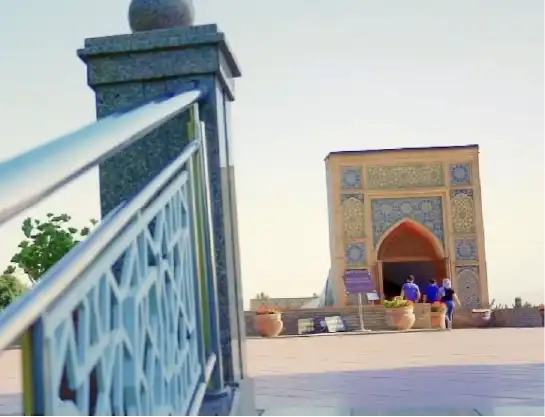
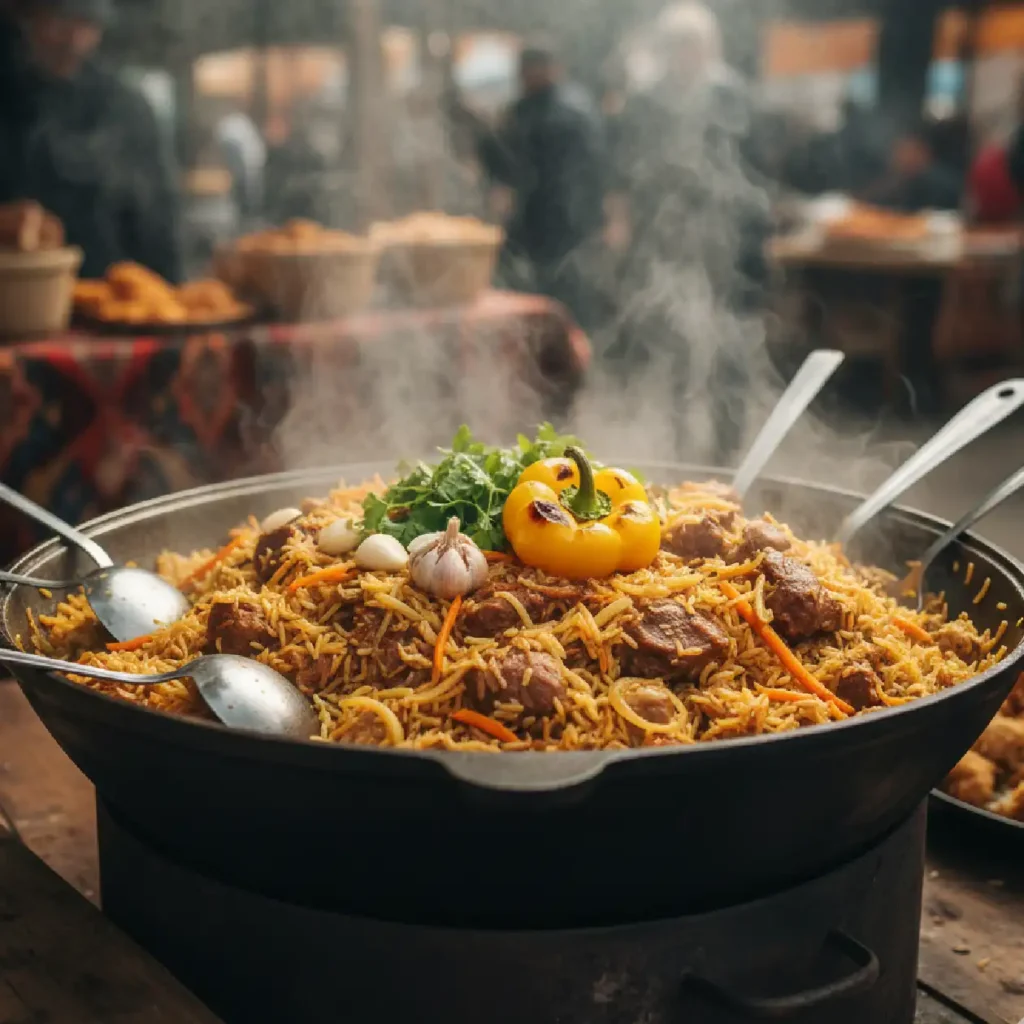
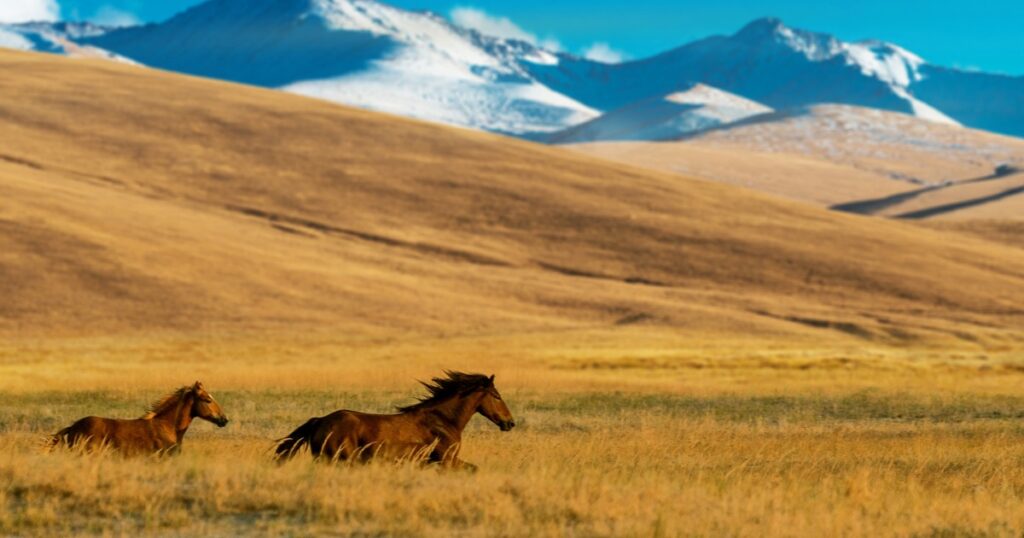
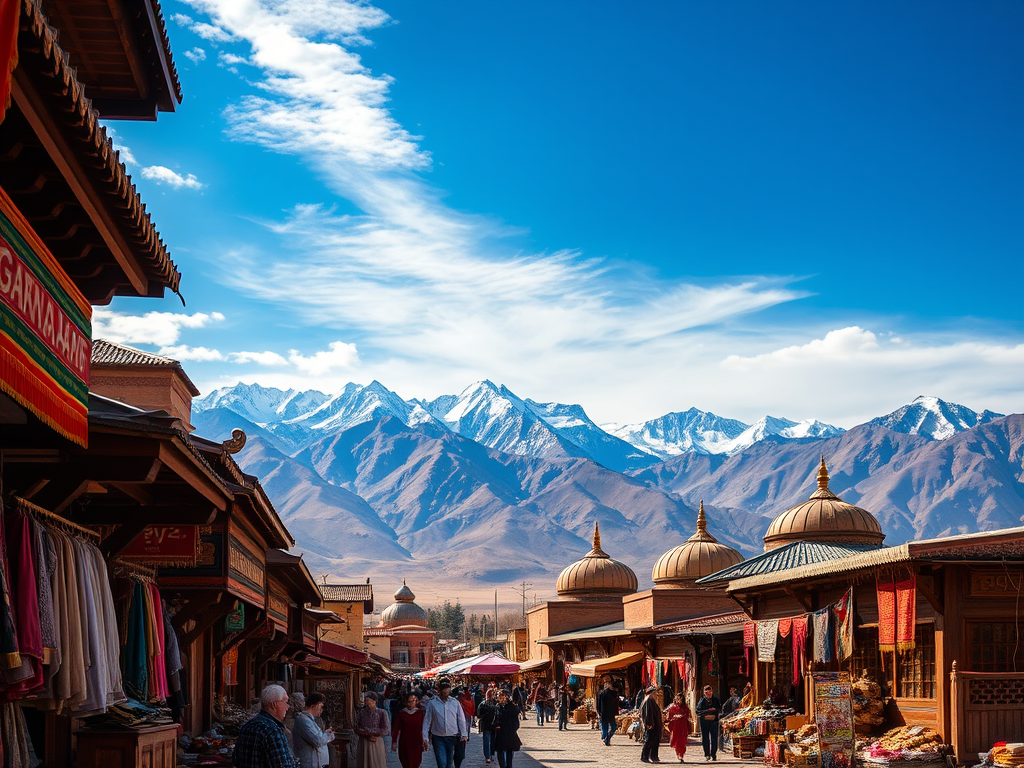
1. Central Asia is Home to Ancient Silk Road Secrets Still Being Discovered
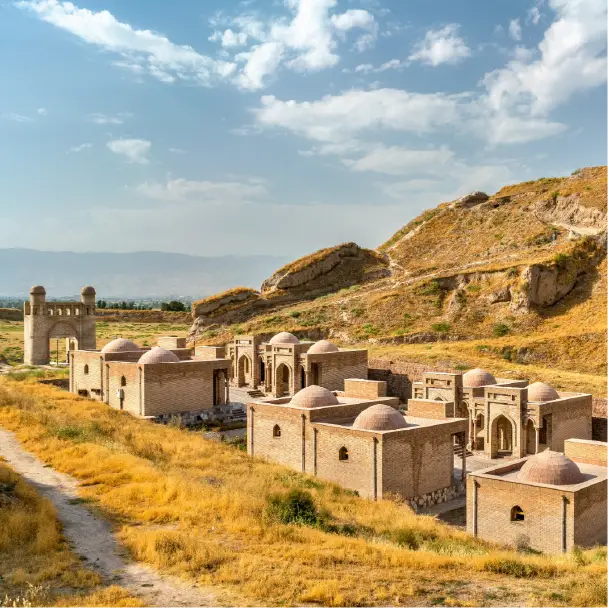
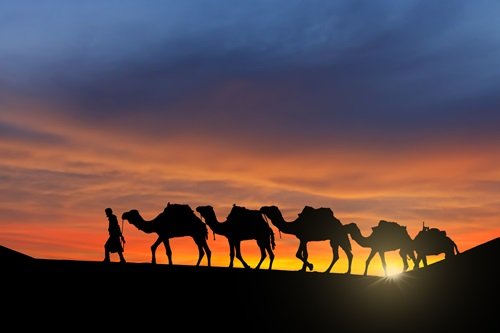
When you think of the Silk Road, images of camel caravans laden with exotic goods and bustling bazaars likely come to mind. While these are certainly part of its rich tapestry, Central Asia holds layers of Silk Road history that go far beyond the conventional narrative, with new discoveries constantly reshaping our understanding. This isn’t merely about ancient trade routes; it’s about the very arteries of early globalization, connecting East and West for millennia.
Modern archaeology in the heart of Central Asia continues to unearth breathtaking evidence of this sophisticated network. Imagine stepping onto a site where excavations reveal a forgotten caravanserai, its walls still whispering tales of merchants, scholars, and pilgrims who once sought shelter there.
2. The Breathtaking Sogdian Murals of Panjakent
Recent archaeological findings in ancient Sogdian cities like Panjakent have unearthed intricately preserved murals. These vibrant, centuries-old frescoes offer a rare, palpable connection to the past, revealing the daily lives, beliefs, and epic stories of the people who once controlled the trade heartlands of Central Asia.
3. Kazakhstan’s Hidden Northern Silk Road
The uncovering of previously unknown trade networks demonstrates just how much of this incredible history remains to be fully explored. A prime example is the emerging research around the “Northern Silk Road” through Kazakhstan (What Kazak Locals Want you to Know), which reveals that vital trade outposts and cultural exchanges thrived much further north than traditional histories ever suggested.
4. Merv: The Ancient Metropolis of Turkmenistan
These hidden routes provide an immersive experience that traditional guidebooks often overlook. You can experience this firsthand by standing amidst the sprawling, atmospheric ruins of ancient cities like Merv in Turkmenistan—which was once celebrated as the largest city in the world—or by exploring the deep history of Uzbekistan’s Fergana Valley.
5. The Region’s Cultural Diversity Rivals Europe’s
It’s easy to group “Central Asia” into a single, monolithic cultural idea, but to do so would be to miss its extraordinary vibrancy. This region, a true crossroads of civilizations, boasts a level of ethnic and linguistic diversity that might surprise you, easily rivaling the complexity found across the many nations of Europe. From the Turkic peoples of Kazakhstan, Uzbekistan, Kyrgyzstan, and Turkmenistan to the Persian-speaking Tajiks, and the numerous smaller ethnic groups like the Karakalpaks, Uighurs, and Pamiris, Central Asia is a mosaic of traditions, languages, and belief systems.
This rich tapestry is the legacy of centuries of migrations, conquests, and the very flow of the Silk Road itself. Each country, and often each distinct region within a country, offers a unique cultural flavor.
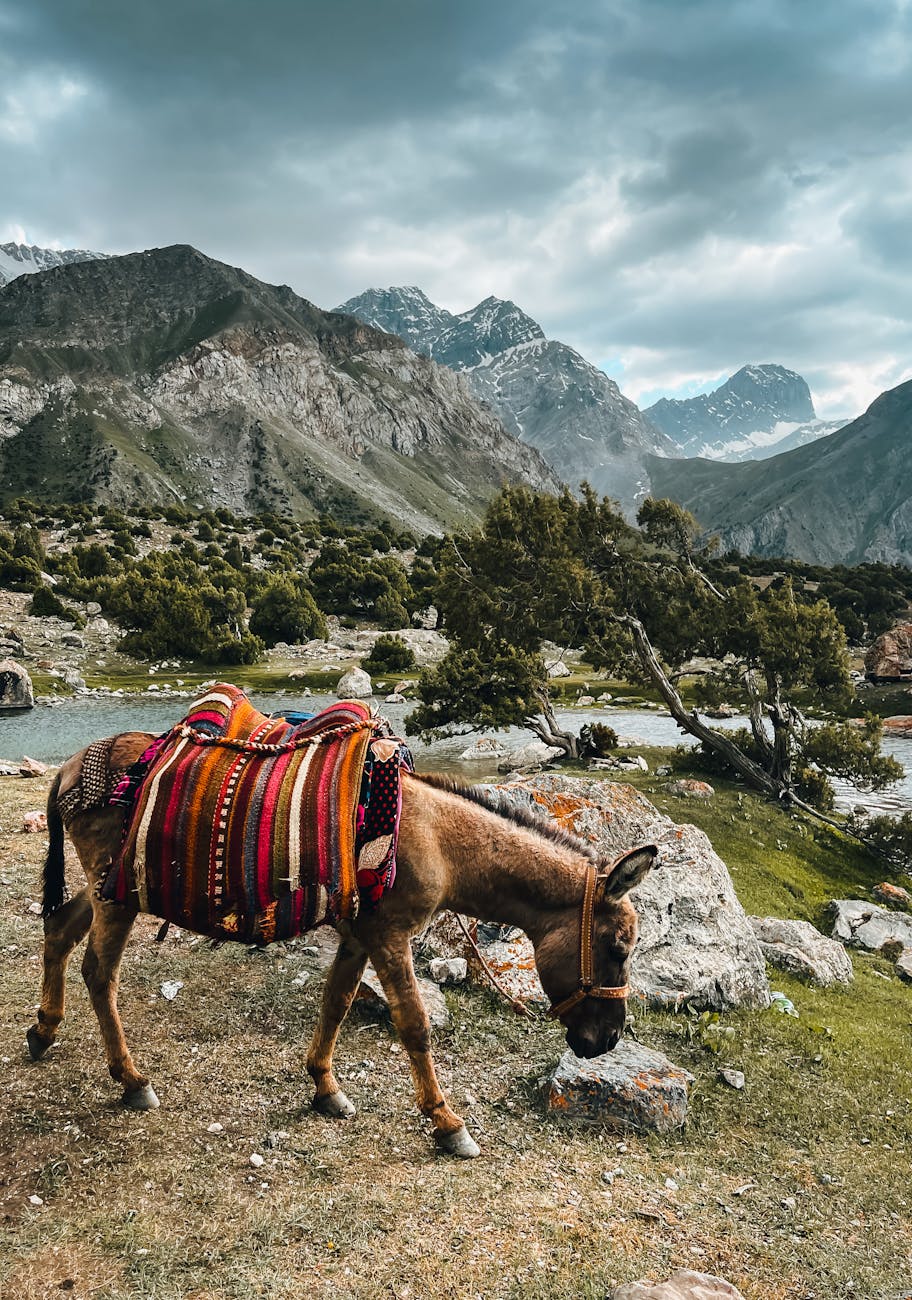
You’ll encounter the fierce equestrian traditions of the Kyrgyz nomads, the intricate ceramic artistry of Uzbekistan, the deep poetic heritage of Tajikistan, and the unique fusion cuisines born from Persian, Russian, and Turkic influences. This unexpected diversity enriches every aspect of your journey, from the music you hear in a bustling bazaar to the flavors on your plate in a family home. It challenges the common misconception of a homogenous Central Asian identity and opens your eyes to truly authentic travel experiences that connect you directly with local communities and their distinct ways of life. When you visit, you’re not just observing; you’re engaging with a living, breathing confluence of human history and culture.
6. Central Asia’s Natural Wonders Outshine Famous International Destinations
While the architectural marvels of Samarkand and Bukhara rightly draw global attention, Central Asia also harbors an astonishing array of natural landscapes that remain largely undiscovered by mass tourism, often surpassing the grandeur of more famous international destinations. Imagine soaring, snow-capped peaks that rival the Alps, vast, shimmering lakes with an otherworldly beauty, and deserts that whisper ancient secrets. This is the untamed heart of Central Asia.
Consider Kyrgyzstan, often called the “Switzerland of Central Asia,” with its Tian Shan mountain range – a dramatic expanse of jagged peaks, alpine meadows, and pristine valleys where eagles soar.
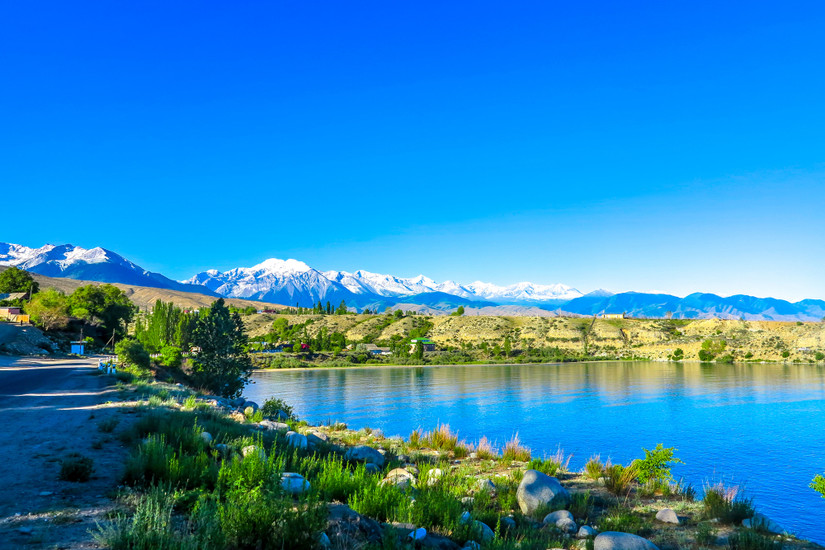
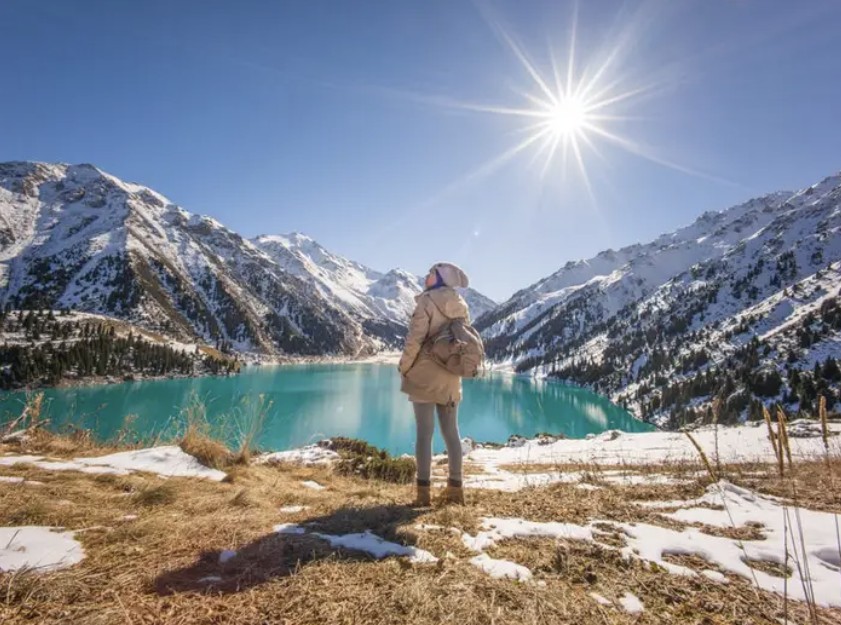
Then there’s Kazakhstan’s Charyn Canyon, often compared to a miniature Grand Canyon, where wind and water have sculpted dramatic red rock formations into fantastical shapes. Or the otherworldly turquoise waters of Lake Issyk-Kul, the second-largest saline lake in the world, nestled high in the Tian Shan mountains and never freezing, even in the depths of winter.
The Pamir Mountains, stretching across Tajikistan, offer landscapes so breathtakingly rugged and remote, they feel like another planet.
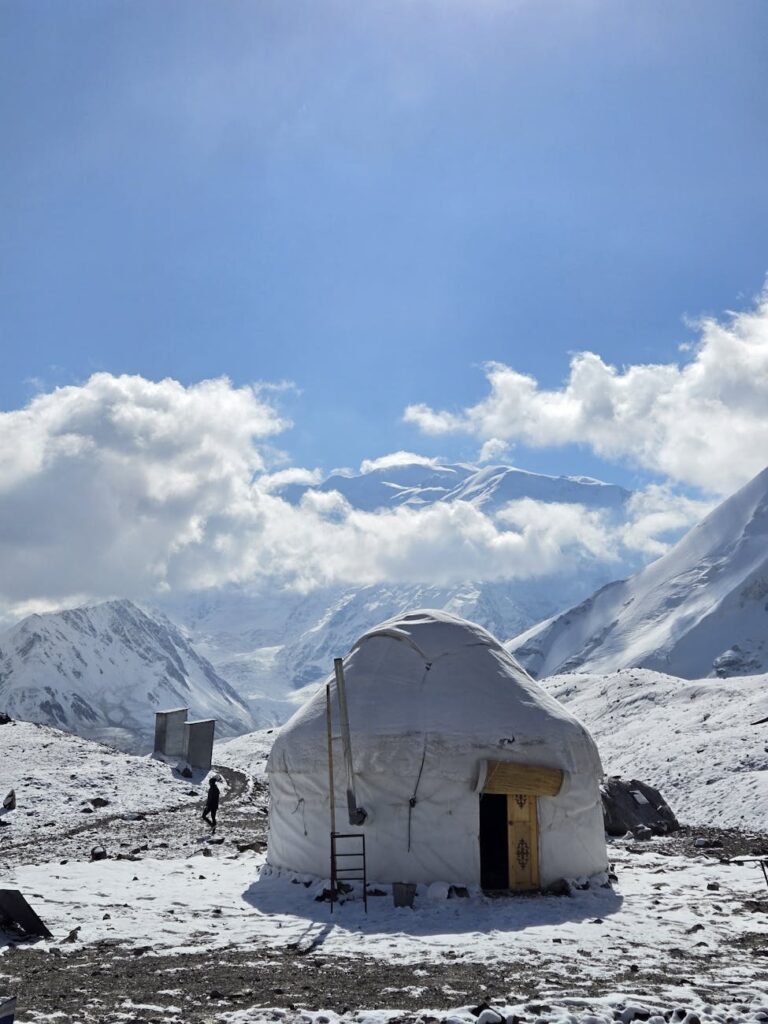
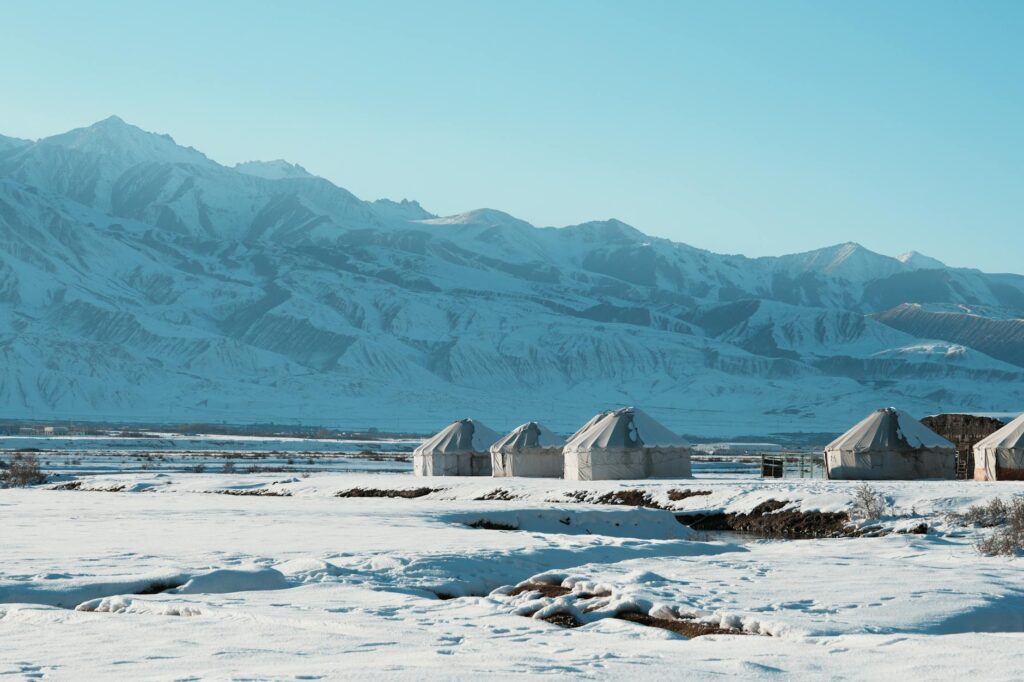
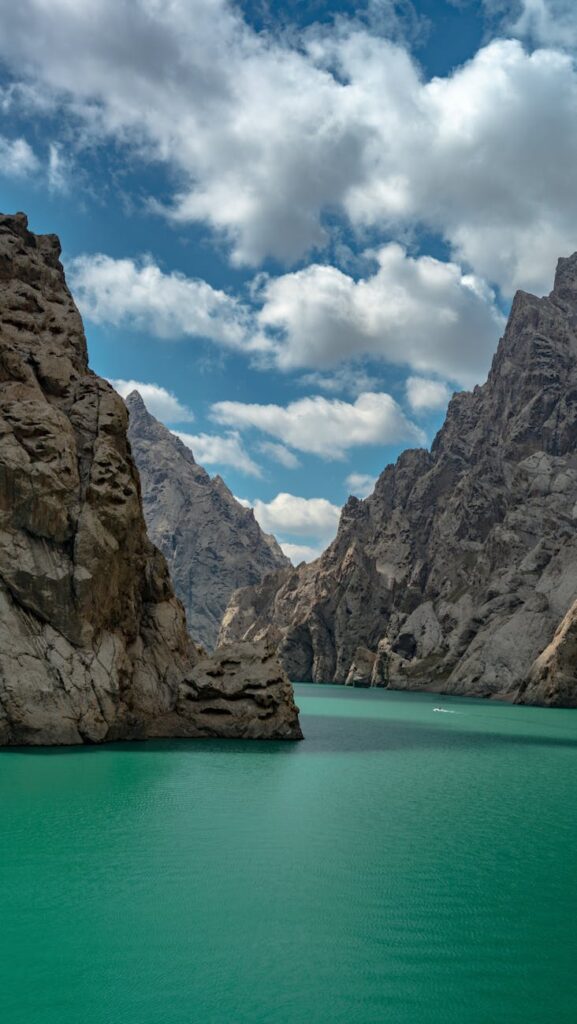
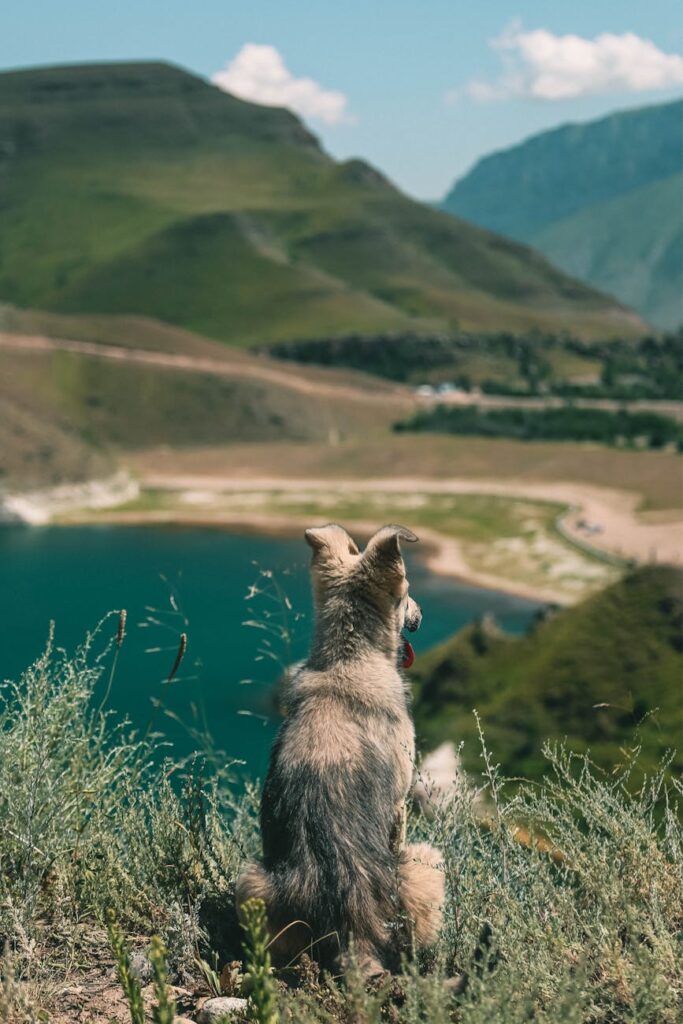
These are not merely scenic backdrops; they are immersive environments for adventure, contemplation, and unparalleled photographic opportunities. The sheer scale and untouched purity of these natural wonders, combined with their accessibility for intrepid travelers, make them truly jaw-dropping. They offer a unique solace and grandeur that will stay with you long after your journey concludes, proving that the world’s most spectacular natural beauty isn’t always found on the most beaten paths.
7. Untold Stories of Nomadic Heritage and Modern Life Collision
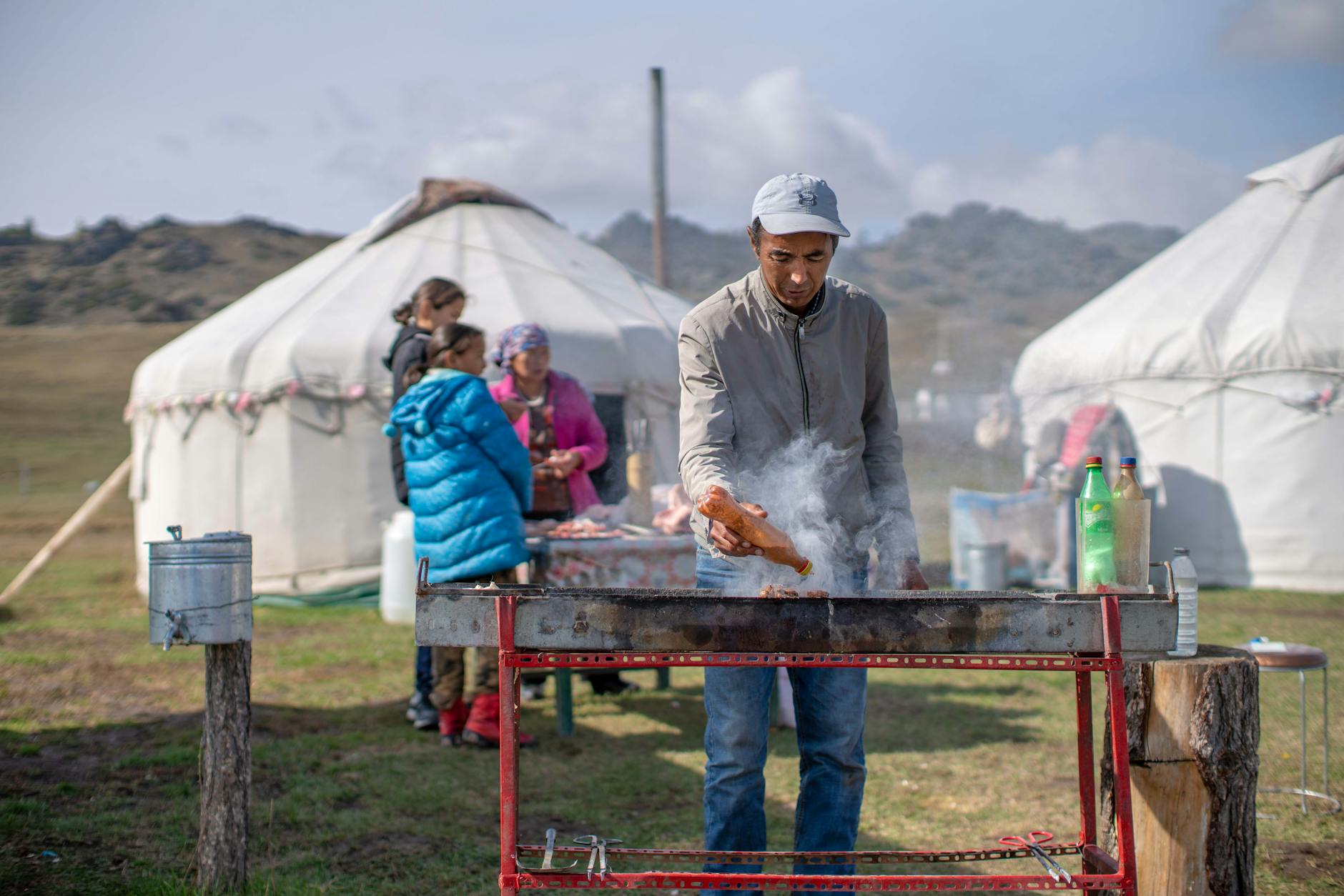
Central Asia is a land where the echoes of nomadic heritage resonate deeply, yet it’s also a place experiencing rapid modernization. The interplay between these two worlds creates a truly fascinating and timely travel experience that offers a profound glimpse into humanity’s past and present. While many perceive nomadic cultures as remnants of a bygone era, in Central Asia, the spirit and, in many cases, the practices of nomadic life continue to thrive.
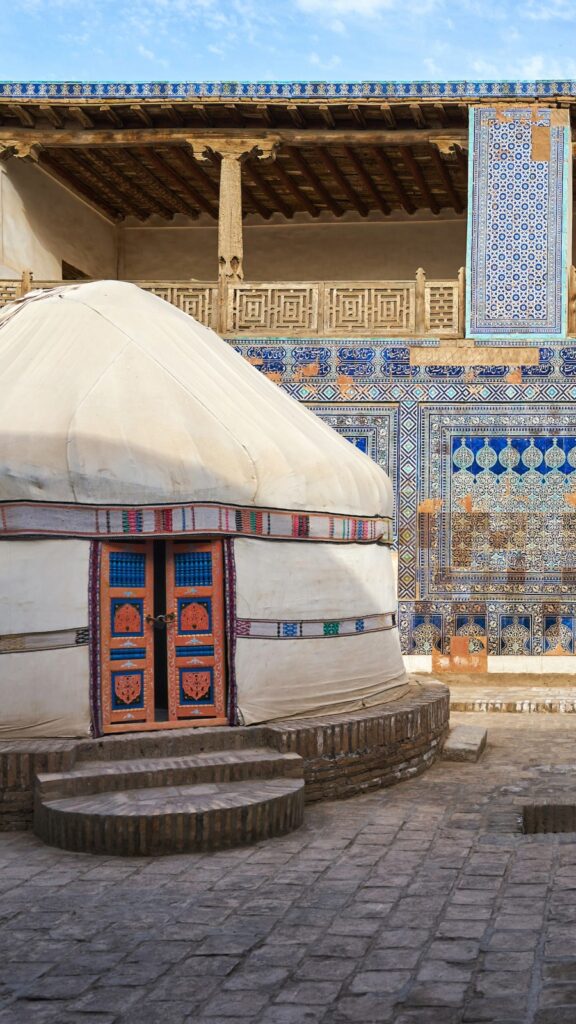
You might find yourself visiting a family living in a traditional yurt in the high pastures of Kyrgyzstan, sharing a meal and learning about their ancestral herding techniques, only to discover the children are adept at using smartphones and connecting with the wider world. This unique coexistence is a powerful testament to resilience and adaptation. The vibrant horse games, the art of felt-making, the ancient oral traditions of storytelling – these aren’t museum pieces; they are living, evolving aspects of daily life. Experiencing this collision firsthand offers an authentic cultural immersion unavailable in typical tour packages. It’s a chance to witness how deeply ingrained traditions navigate the currents of contemporary development, creating a dynamic cultural landscape that is both deeply rooted and forward-looking. To be there now is to witness a pivotal moment in these cultures, offering insights into human history and progress that are increasingly rare in our interconnected world.
Conclusion and Central Asia Journey Invitation
We’ve journeyed together, even if only through words, across a Central Asia far richer and more surprising than often portrayed. We’ve seen how its ancient Silk Road routes are still revealing their secrets, understood that its cultural diversity rivals that of entire continents, marveled at natural wonders that truly astound, and witnessed the living tapestry of nomadic heritage meeting modern life. Each of these insights reveals a facet of Central Asia that challenges common perceptions and unveils a destination of profound depth and beauty. The region is not just a destination; it’s an immersive story waiting to unfold for you.
At East Site Travel, we believe that the most rewarding journeys are those that expand your horizons and connect you deeply with the world. Central Asia offers precisely this: a chance to step off the well-worn path and discover a region that is both welcoming and wonderfully enigmatic.
If you’re a curious traveler seeking comfort, cultural immersion, and truly unique experiences, then Central Asia is calling.
We understand that planning a trip to a less familiar region can feel daunting, but that’s precisely why we are here. Our expert guidance and meticulously curated journeys ensure you’re in the most capable hands, allowing you to relax and fully embrace the wonder of this extraordinary land.
Are you ready to explore the heart of the Silk Road and uncover its magic for yourself?
We invite you to delve deeper into our resources, browse our thoughtfully designed Central Asia tour options, and imagine yourself walking through vibrant bazaars or gazing at celestial domes. Or, for more exclusive insights and travel inspiration, consider subscribing to our newsletter. Let East Site Travel be your trusted companion on your journey to discover the unparalleled beauty and captivating stories of Central Asia. The adventure of a lifetime awaits.
Dig Deeper
Questions about Central Asia Travel
What ancient Silk Road sites are still being excavated in Central Asia?
Active archaeological excavations are continuously uncovering forgotten caravanserais and ancient trade settlements across the region. Notable ongoing sites include the ancient merchant complexes in Uzbekistan’s Fergana Valley and historic fortresses along the remote routes of Tajikistan and Turkmenistan.
Where can you see the ancient Sogdian murals in Panjakent?
The breathtaking, centuries-old Sogdian murals can be explored at the ancient ruins of Panjakent and its accompanying museum in western Tajikistan. These vibrant frescoes offer a rare glimpse into pre-Islamic Silk Road civilization, artistry, and daily life.
What is the significance of the Northern Silk Road in Kazakhstan?
Emerging research and recent archaeological findings show that Kazakhstan’s “Northern Silk Road” was a vital trade corridor. This route proves that highly sophisticated commercial outposts and cultural exchanges thrived much further north into the Kazakh steppe than traditional histories suggested.
Is the ancient city of Merv in Turkmenistan open to tourists?
Yes, the sprawling, atmospheric ruins of Merv—once celebrated as the largest city in the world—are open to travelers. Located near Mary, Turkmenistan, this massive UNESCO World Heritage site offers an immersive look at ancient urban Silk Road defense and architecture.
What distinct cultural groups live in Central Asia?
Central Asia is a diverse ethnic mosaic rather than a monolithic culture. It is home to Turkic-speaking Kazakhs, Uzbeks, Kyrgyz, and Turkmen, Persian-speaking Tajiks, and unique smaller populations like the Karakalpaks of Uzbekistan, the Uighurs, and the high-altitude Pamiri communities of Tajikistan.
Can you swim in Lake Issyk-Kul during the winter?
While Lake Issyk-Kul’s turquoise alpine waters are deep and saline enough that the lake never freezes—even in the depths of a Kyrgyzstan winter—the water temperatures remain extremely cold. It is a premier year-round scenic destination, but swimming is best enjoyed during the warm summer months.
Where is the best place to experience an authentic yurt stay in Central Asia?
The high alpine pastures (jailoos) of Kyrgyzstan, such as those surrounding Song-Kul Lake, and the rugged valleys of the Pamir Mountains in Tajikistan offer the most authentic nomadic yurt stays. These experiences allow travelers to witness traditional herding heritage operating alongside modern daily life.
Discover more from East Site Travel
Subscribe to get the latest posts sent to your email.