Travel to Iran with East Site Tours

Explore Iran: Ancient Persia’s Palaces, Poets, and Mosques
Few destinations rival Iran for depth of history and artistry, from the ruins of Persepolis to the domed mosques of Isfahan. As part of our Iran historical tour itinerary, woven into the Great Silk Road journey, you’ll walk the Achaemenid ruins of Persepolis and Pasargadae, wander Shiraz’s rose gardens and poets’ tombs, and admire the tilework of Isfahan’s Imam Mosque and Sheikh Lotfollah Mosque.
Every departure runs as an Iran small group tour, capped at under 15 travelers, giving you real time at each site instead of rushing between bus stops. From Tehran’s Golestan Palace to the Zoroastrian fire temples of Isfahan, our guides bring centuries of Persian history to life with context you won’t find on your own.
As one of our all-inclusive Iran tours, hotels, meals, transfers, and expert guiding are fully handled, so you can focus entirely on the empires, poets, and craftsmanship that shaped this remarkable country.
Tehran
Tehran, Iran’s dynamic capital, blends tradition with modern energy. In its grand museums and royal palaces, the stories of ancient Persia and recent history unfold side by side. Bustling bazaars hum with life, while peaceful gardens and hillside retreats offer a break from the city’s rhythm. It’s a place where old and new meet under the shadow of the Alborz Mountains.
Museum of the Islamic Period
The Museum of the Islamic Period in Tehran offers a rich journey through Iran’s post-7th-century history. Its galleries hold intricate calligraphy, ceramics, textiles, and metalwork — each piece telling the story of how Islamic art evolved across dynasties. From delicate Qurans to architectural fragments, the museum reveals the beauty, intellect, and spiritual depth of centuries past.
Golestan Palace

Golestan Palace is a jewel in the heart of Tehran — a royal complex where Persian tradition meets European elegance. Its mirrored halls, colorful tilework, and tranquil gardens reflect the Qajar dynasty’s love for art and ceremony. Walking through its lavish rooms feels like stepping into a living painting, where every corner holds a glimpse of royal life.
Old Bazaar
Tehran’s Old Bazaar is a labyrinth of alleys, courtyards, and hidden caravanserais, alive with the hum of trade and tradition. Here, centuries of commerce unfold in the scent of spices, the gleam of copper, and the rhythm of bargaining. It’s more than a market — it’s a living part of the city’s soul, where history and daily life move hand in hand.
Sa’dabad Complex
The Sa’dabad Complex is a peaceful estate in northern Tehran, once a royal summer retreat. Set among trees and gardens, its grand palaces now serve as museums showcasing royal life, art, and history. Highlights include the elegant White Palace and the mirror-covered Green Palace — each telling part of Iran’s modern royal story.
Niavaran Museum
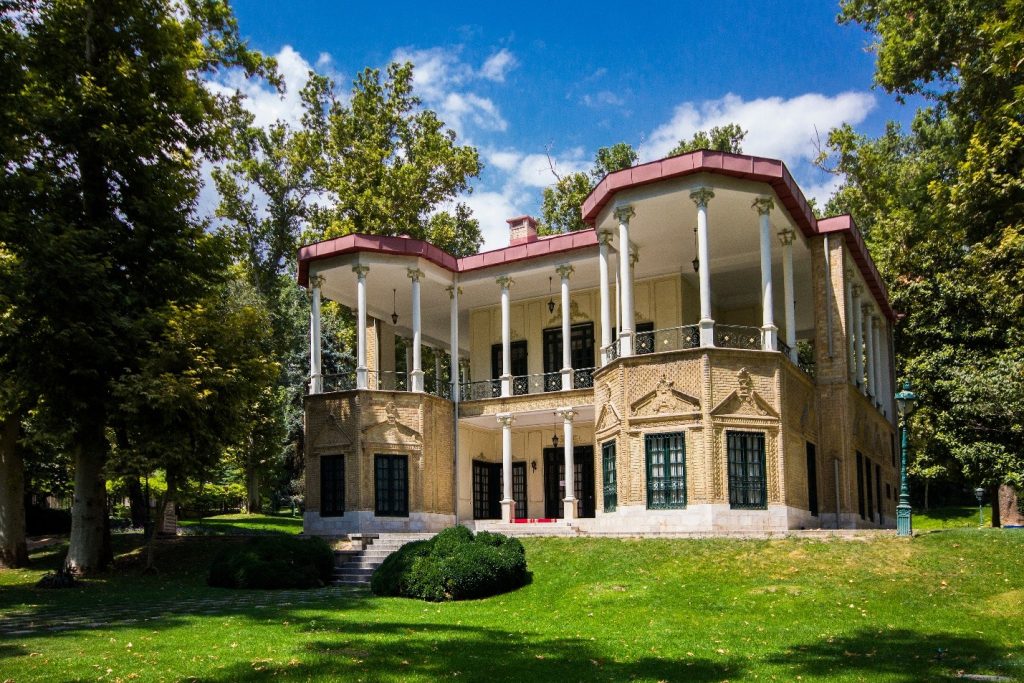
Niavaran Museum is part of a former royal complex in northern Tehran, once home to the last Shah of Iran. The palace blends modern 20th-century architecture with traditional Iranian design, featuring elegant halls, detailed stucco, and mirror work. Inside, you’ll find personal belongings of the royal family, including books, art, and everyday furnishings. Surrounded by peaceful gardens, the museum offers a quiet, refined look into Iran’s recent past.
Darake Rural Area
Darake Rural Area is a scenic village located on the western outskirts of Tehran, nestled at the foot of the Alborz Mountains. It’s a popular spot for locals and visitors looking to escape the city’s hustle and enjoy fresh mountain air. The area offers beautiful hiking trails, riverside teahouses, and traditional restaurants. In all seasons, Darake is known for its natural beauty and peaceful atmosphere, making it a perfect place for a relaxing day trip.
Shiraz
Shiraz is the city of poetry, gardens, and soft light. Once a center of art and philosophy, it still carries the spirit of its great poets, Hafez and Saadi. Cypress-lined paths lead to elegant tombs and rose-filled courtyards, while nearby Persepolis reminds you of the empire that once ruled from here. Shiraz is where beauty feels effortless, and history speaks gently through every breeze.
Persepolis
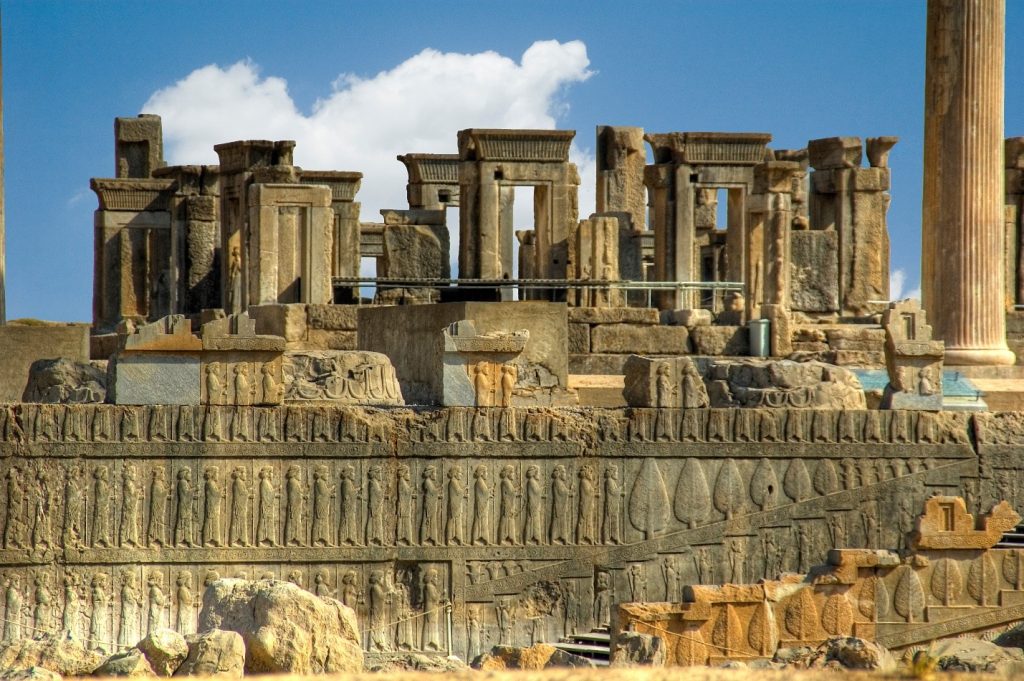
Persepolis is one of the most iconic archaeological sites in Iran, located near the city of Shiraz. Founded by Darius the Great in 518 BCE, it served as the ceremonial capital of the Achaemenid Empire. The site features impressive stone columns, grand staircases, and intricately carved reliefs depicting ancient Persian life and royal ceremonies. Despite being partially destroyed by Alexander the Great, Persepolis remains a powerful symbol of Iran’s ancient heritage and architectural mastery.
Naqsh-e Rajab and Naqsh-e Rostam
Naqsh-e Rostam and Naqsh-e Rajab are two important archaeological sites located just a few kilometers north of Persepolis in Fars Province. Naqsh-e Rostam features the impressive rock-cut tombs of four Achaemenid kings, as well as grand Sassanid reliefs depicting royal ceremonies and victories. Nearby, Naqsh-e Rajab showcases four early Sassanid bas-reliefs, including investiture scenes of Ardashir I and Shapur I. Together, these sites offer a fascinating glimpse into both the Achaemenid and Sassanid eras of ancient Persia. Their close proximity makes them an ideal combined visit for history and archaeology enthusiasts.
Eram Garden
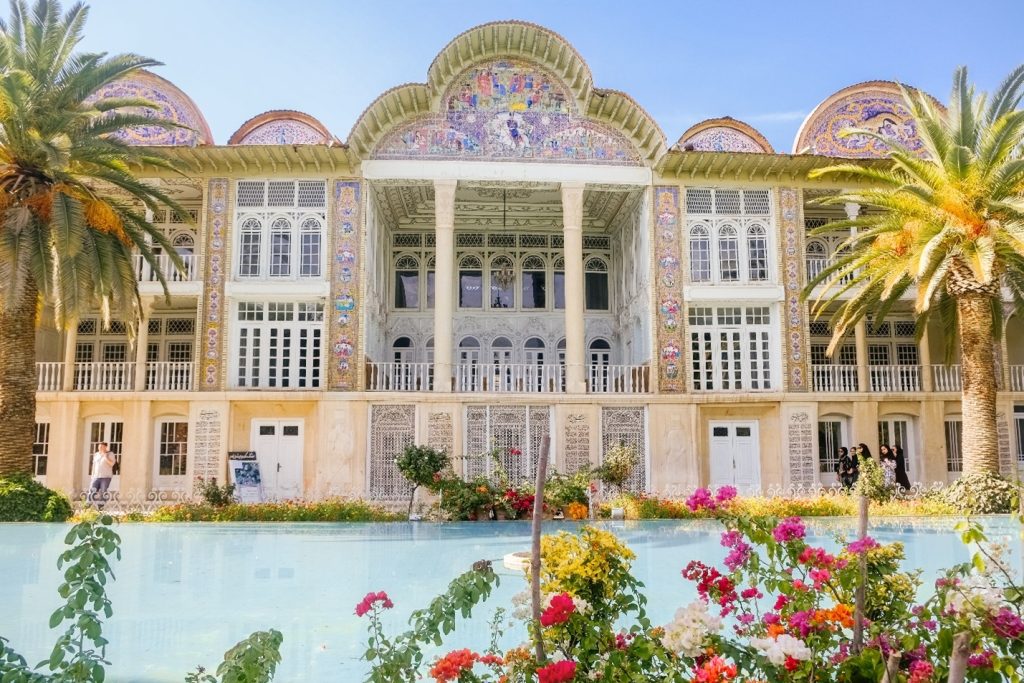
Eram Garden is a historic Persian garden in Shiraz, known for its beautiful landscaping, tall cypress trees, and elegant Qajar-era mansion. It dates back to the Seljuk period but was later redesigned during the 19th century. The garden features symmetrical paths, water channels, and a large reflecting pool. Now part of Shiraz University, it’s also home to a botanical garden and a museum.
Hafez Tomb
The Tomb of Hafez in Shiraz honors the great 14th-century Persian poet. Set in a peaceful garden, the marble tomb lies beneath a beautiful domed pavilion. Visitors come to read his poetry, reflect, and practice “Fal-e Hafez” — divination through his verses. The site is a beloved symbol of Persian literature and spiritual beauty.
Saadi Tomb
The Tomb of Saadi is located in Shiraz, surrounded by a serene garden and water features. It honors Saadi, a 13th-century Persian poet known for his humanist and philosophical works. The tomb sits in an elegant octagonal structure with verses of his poetry inscribed on the walls. Visitors come to reflect, read his writings, and enjoy the peaceful atmosphere.
Pasargadae
Pasargadae is an ancient city and the first capital of the Achaemenid Empire, founded by Cyrus the Great in the 6th century BCE. It is best known for the simple yet majestic Tomb of Cyrus, a UNESCO World Heritage Site. The site also includes ruins of palaces, gardens, and the remains of a royal citadel. Pasargadae reflects the early development of Persian architecture and imperial planning. It holds great historical and cultural significance as the birthplace of the Persian Empire.
Tomb of Cyrus the Great
The Tomb of Cyrus the Great is the most iconic monument in Pasargadae and a UNESCO World Heritage Site. Built in the 6th century BCE, it features a simple yet powerful design: a stone chamber atop a six-tiered platform. The tomb reflects Cyrus’s legacy as a just and respected ruler. Surrounded by ruins of his former capital, it remains a symbol of Persian identity and ancient grandeur.
Isfahan
Isfahan is Iran’s masterpiece — a city of domes, bridges, and timeless grace. Its central square, one of the largest in the world, is framed by stunning mosques, palaces, and arcades. Walk across centuries-old bridges or through quiet Armenian quarters, and you’ll feel the calm rhythm of a place shaped by beauty. Isfahan doesn’t rush — it invites you to linger.
Imam Mosque
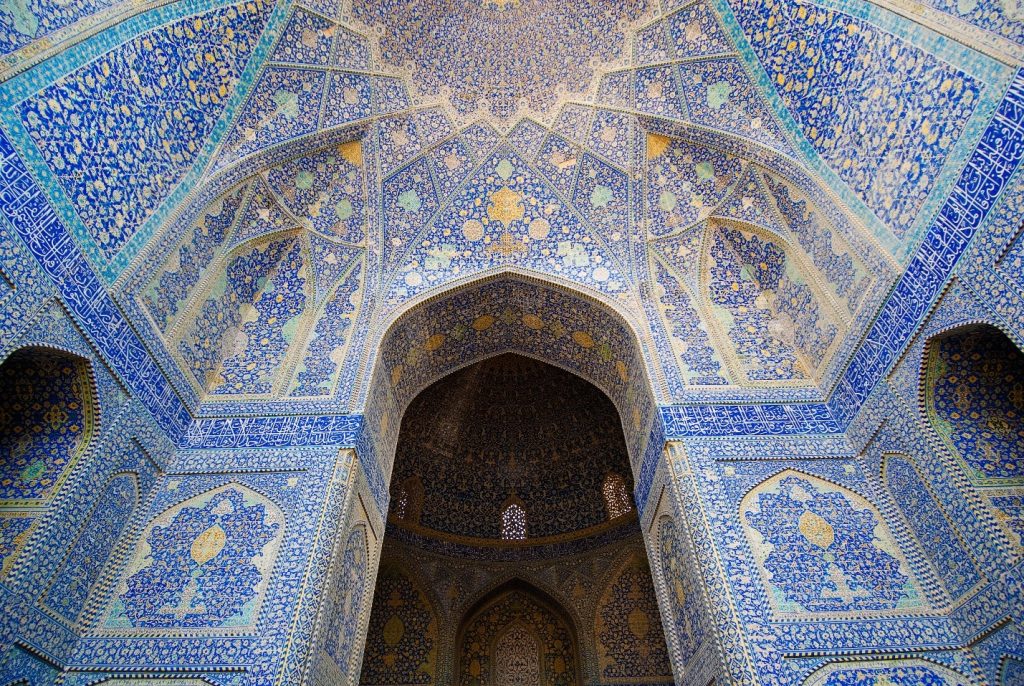
The Imam Mosque, formerly known as Shah Mosque, is a masterpiece of Persian architecture located in Isfahan’s Naqsh-e Jahan Square. Built during the Safavid era in the 17th century, it is famous for its grand blue-tiled dome and intricate calligraphy. The mosque features stunning acoustic effects and precise symmetry in its design. Its towering entrance portal and richly decorated iwans make it a highlight of Islamic art. The mosque remains an active place of worship and a UNESCO World Heritage Site.
Sheikh Lotfollah Mosque
Sheikh Lotfollah Mosque is a stunning Safavid-era mosque located in Isfahan’s Naqsh-e Jahan Square. Built in the early 17th century, it was used as a private royal mosque. It has no minaret or courtyard, but features a beautifully tiled dome that changes color with the light. The interior showcases intricate mosaic work and elegant calligraphy. It is considered one of the finest examples of Persian-Islamic architecture.
Ali Qapu Palace
Ali Qapu Palace is a grand 17th-century royal residence located on Naqsh-e Jahan Square in Isfahan. Built by Shah Abbas I, it served as the entrance to the Safavid royal complex. The palace is known for its impressive terrace with wooden columns overlooking the square and its unique Music Room with stucco niches designed for acoustics. It was used for receptions, royal ceremonies, and watching polo games below. Ali Qapu reflects the elegance and power of the Safavid dynasty.
Vanak Church
Vanak Church, located in the Armenian quarter of Isfahan, was built in the 17th century during the reign of Shah Abbas I. It combines Islamic and Armenian architectural styles, with a plain brick exterior and richly decorated interior frescoes. The church complex also includes a museum and library. It remains a spiritual and cultural center for the Armenian community.
Shaking Minarets
The Shaking Minarets (Monar Jonban) in Isfahan are famous for their unusual ability to sway. When one minaret is shaken, the other vibrates as well due to the building’s unique structure. Built in the 14th century, the site also contains the tomb of a Sufi mystic. It’s a popular spot for tourists intrigued by its architectural mystery.
Fire Temple
The Zoroastrian Fire Temple of Isfahan, perched on a hilltop west of the city, dates back to the Sassanid era. The temple ruins include a circular tower and fire altar once used for sacred rituals. It offers panoramic views of the surrounding landscape. The site reflects Iran’s pre-Islamic religious heritage.
Friday Mosque
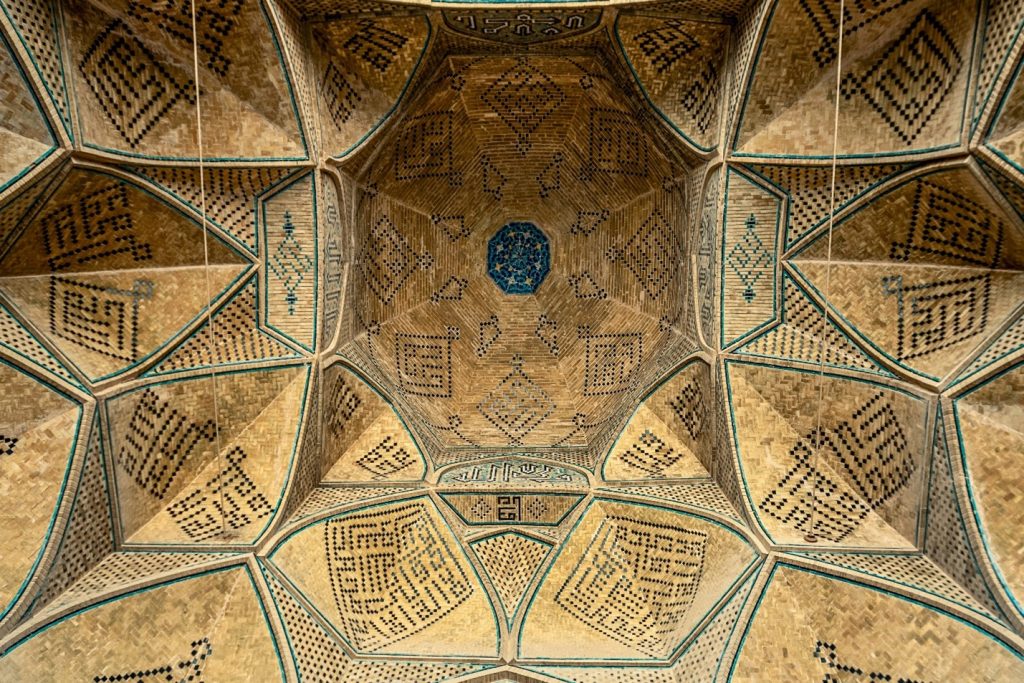
The Friday Mosque of Isfahan (Masjed-e Jameh) is one of the oldest and most architecturally significant mosques in Iran. With parts dating back to the 8th century, it showcases centuries of Islamic art and construction styles. Its vast courtyard, domes, and stunning prayer halls reflect various historical periods. It is a UNESCO World Heritage Site.
Chehel Sotoun
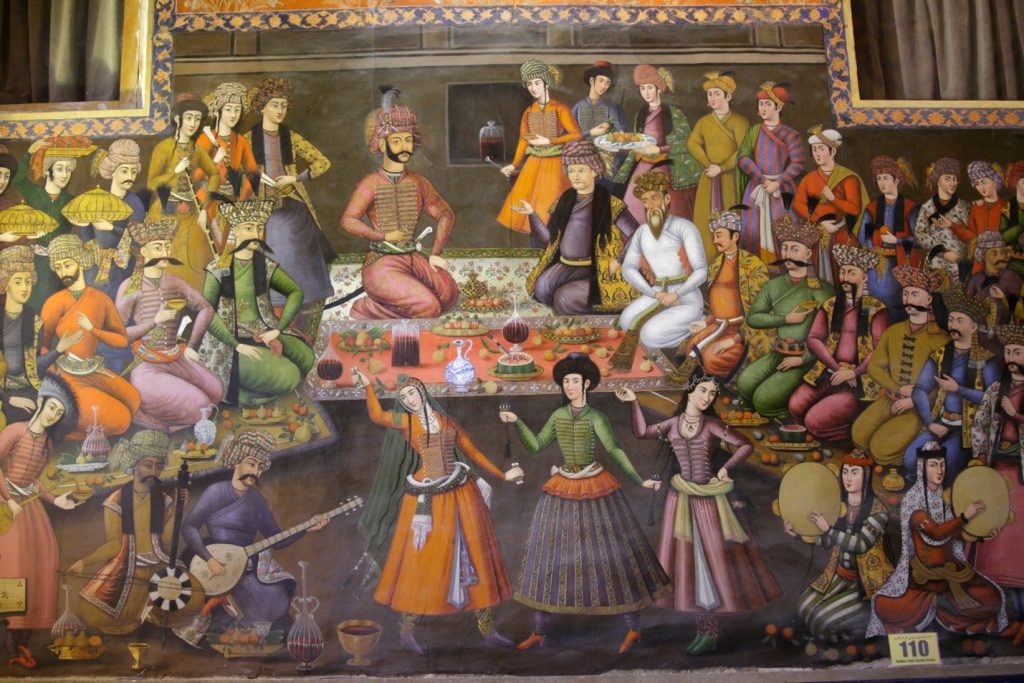
Chehel Sotoun, meaning “Forty Columns,” is a Safavid-era pavilion set in a peaceful garden in Isfahan. The palace features twenty wooden columns that reflect in the front pool, creating the illusion of forty. It was used for receptions and royal ceremonies. The interior is adorned with frescoes and mirror work.
Hasht Behesht Palace
Hasht Behesht Palace, meaning “Eight Paradises,” was built in the 17th century as a royal residence in Isfahan. The small yet elegant palace is surrounded by gardens and features intricate tilework, arches, and stained glass. It reflects the luxurious lifestyle of the Safavid elite. Today, it’s a public park and historical attraction.
Khajou Bridge
Khajou Bridge is a 17th-century bridge and dam built over the Zayandeh River in Isfahan. It is admired for its two-story design, artistic tilework, and stone arches. The bridge also functioned as a gathering place and royal viewing platform. It’s especially beautiful when lit at night and remains a popular social spot.