
Planning a Scandinavia vacation? This comfort-forward guide helps first-time travelers explore Norway, Sweden, and Denmark with ease, safety, and smooth logistics.
Scandinavia for First-Timers: A Comfort-Forward Guide to Norway, Sweden & Denmark
You’ve been thinking about Scandinavia for years. The fjords. The design. The long summer evenings. And yet something keeps holding you back—the logistics feel complicated, the distances seem vast, and you’re not entirely sure you’re the “hiker type.”
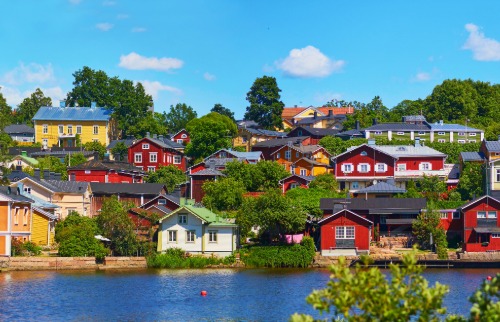
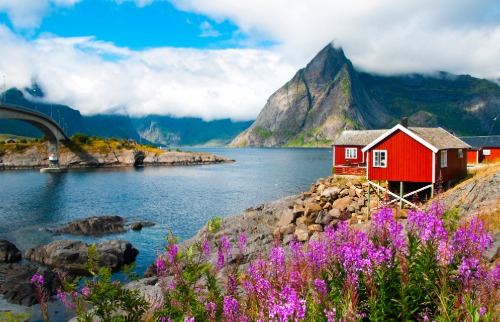

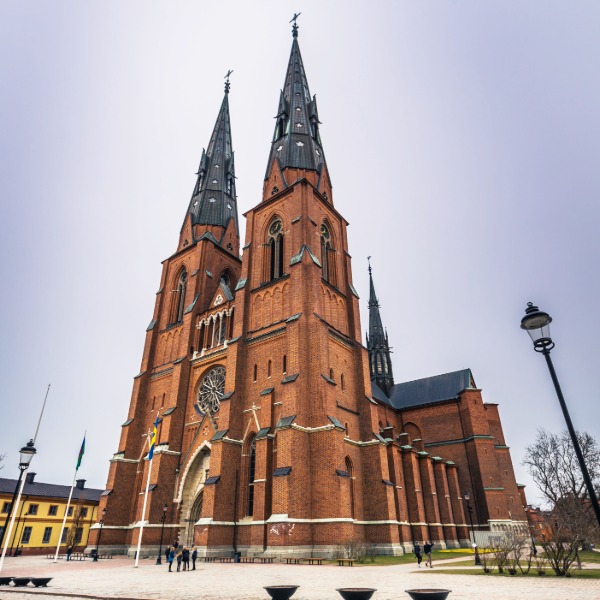
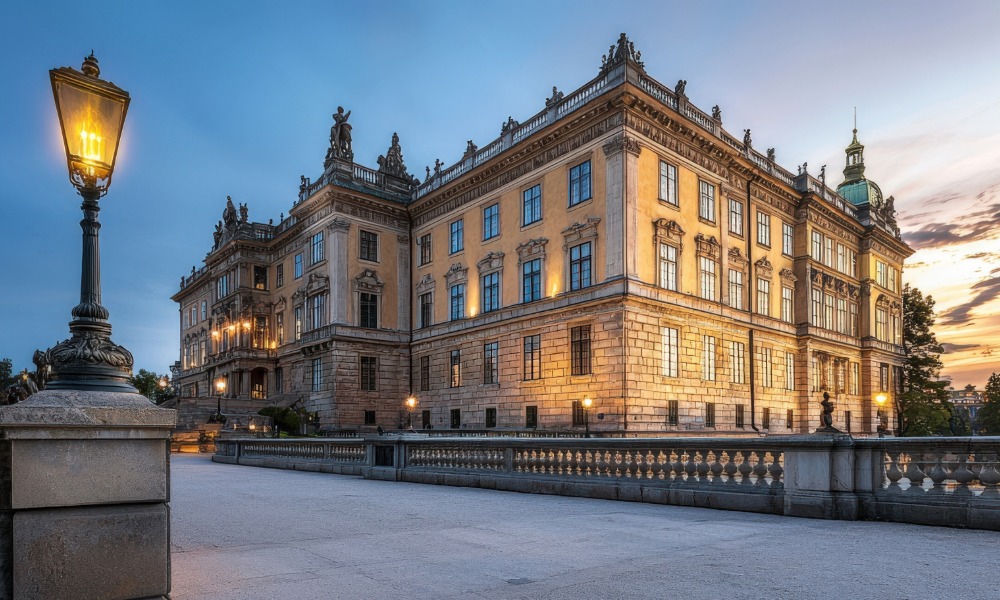
Here’s the truth most travel guides won’t tell you: Scandinavia is one of the most first-timer-friendly regions in the world—if you approach it the right way. Safe, English-speaking, and impeccably clean, Norway, Sweden, and Denmark reward the traveler who slows down and lets someone else handle the details.
This guide is written specifically for travelers who want to experience Scandinavia with comfort, confidence, and depth—without rushing from city to city or testing the limits of their knees.
Why Scandinavia Is Ideal for First-Time Visitors
Scandinavia consistently ranks among the safest, most traveler-friendly destinations on earth. Nearly every local speaks fluent English. Infrastructure is world-class—trains run on time, airports are efficient, and hotels range from crisp modern design to quietly luxurious boutique properties.
But the deeper appeal is cultural. Scandinavians have a word—friluftsliv—that translates roughly as “open-air life.” It’s a philosophy of moving through the natural world slowly, breathing deeply, and being present. That mindset shapes how the region feels to visit: unhurried, spacious, and genuinely restorative.
For first-time visitors, particularly those who want more from travel than ticking off landmarks, Scandinavia offers something rarer: the feeling that you’ve actually been somewhere.
Our small-group model is built on a single conviction: that the best travel experience is the one that feels effortless.
How to Plan a Comfortable Scandinavia Vacation
The most common planning mistake is trying to cover too much ground. Scandinavia is large, and distances between destinations are real. A rushed itinerary that bounces you between Oslo, Stockholm, and Copenhagen in eight days will leave you exhausted and under-impressed.
Pacing matters more than mileage
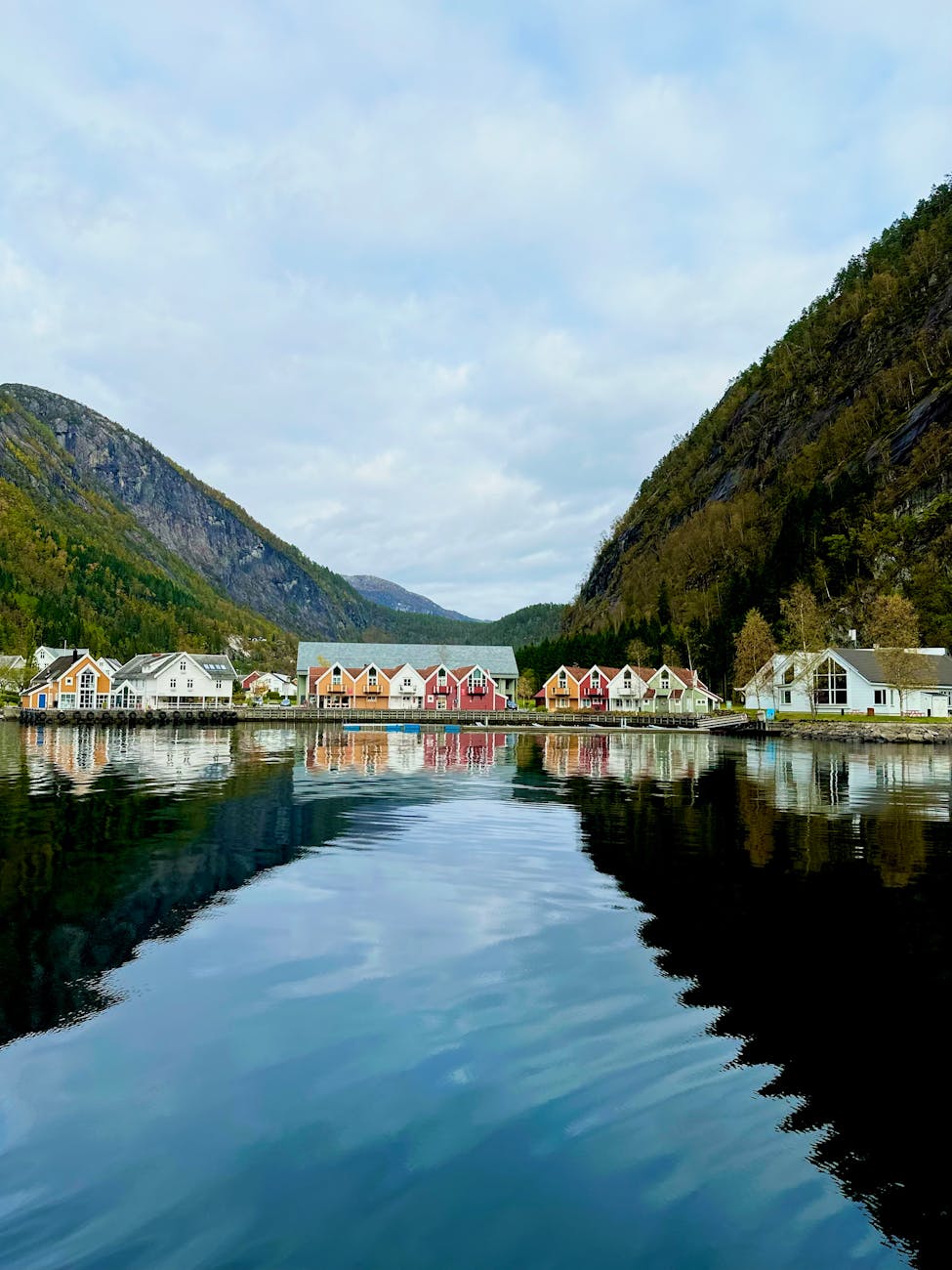
The travelers who come back raving about Scandinavia are almost always the ones who stayed longer in fewer places. Two nights in a fjordside village beats one night each in three cities.
Best months for smooth, comfortable travel
Late May through mid-September offers the most reliable combination of warmth, daylight, and accessibility. June and July bring the famous Midnight Sun in northern Norway—a genuinely otherworldly experience. September offers golden light, fewer crowds, and the first hints of autumn color.
Winter travel (November through March) rewards those seeking the Northern Lights or the cozy intimacy of a snow-covered Swedish village—but requires more preparation and flexibility around weather.
Weather: what to actually expect
Pack for layers, not just warmth. Even in July, Norwegian fjord valleys can be cool in the morning and warm by afternoon. Denmark and southern Sweden are milder. Rain is possible in any season but rarely derails a well-planned trip.
Norway for First-Timers
Norway is the destination that tends to stop people in their tracks—literally. The scale of the fjords, the silence of the valleys, the way a ferry rounds a bend and reveals a waterfall dropping straight into the water below—it’s the kind of scenery that doesn’t photograph well because no image contains enough.
The good news for comfort-forward travelers: you don’t need to hike to experience Norway’s best. Some of the most dramatic scenery in the country is accessible by scenic train (the Bergen Railway is one of the most beautiful rail journeys in Europe), ferry, or a leisurely walk from a well-located hotel.
Highlights accessible without strenuous hiking
- Sognefjord and Geirangerfjord — cruise by boat or ferry
- Bergen — the wooden wharf district (Brüggen), fish market, and funicular to city views
- The Bergen Railway — five hours of mountain and fjord scenery from your seat
- Flåm — a small village at the end of a spectacular valley, easily reached by train
- Oslo — world-class museums, waterfront dining, and a walkable city center
A note on comfort
Norwegian hotels at the mid-to-upper tier are excellent—clean, well-designed, and typically well-located. Boutique properties in the fjord villages offer something special: falling asleep to the sound of water and waking up to mountains. This is not a destination that requires “roughing it.”
Sweden for First-Timers
Sweden is different from Norway in character and texture. Where Norway rewards the traveler with raw natural drama, Sweden offers something more nuanced: a culture of extraordinary design, quiet sophistication, and an effortless integration of city and nature.
Stockholm is one of the most beautiful capital cities in Europe—built across 14 islands, with a medieval old town (Gamla Stan) that genuinely feels medieval, and a waterfront that functions as a living room for the whole city.
Beyond the city, the Stockholm Archipelago—a network of more than 30,000 islands—offers an extraordinary escape. In summer, Swedes flock to these islands by ferry for the kind of unhurried days that feel impossible at home.
What makes Sweden particularly comfortable for first-timers
- Excellent English spoken everywhere, including in smaller cities
- Highly walkable urban centers with flat terrain in most areas
- Boutique and design-led hotel options that feel special without being pretentious
- A food scene that has quietly become one of Europe’s most interesting
One thing to know: Sweden is almost entirely cashless. Most restaurants, museums, and shops accept only card or mobile payment. For travelers unfamiliar with this, it can feel disorienting. Having someone guide you through the logistics removes this friction entirely.
Denmark for First-Timers
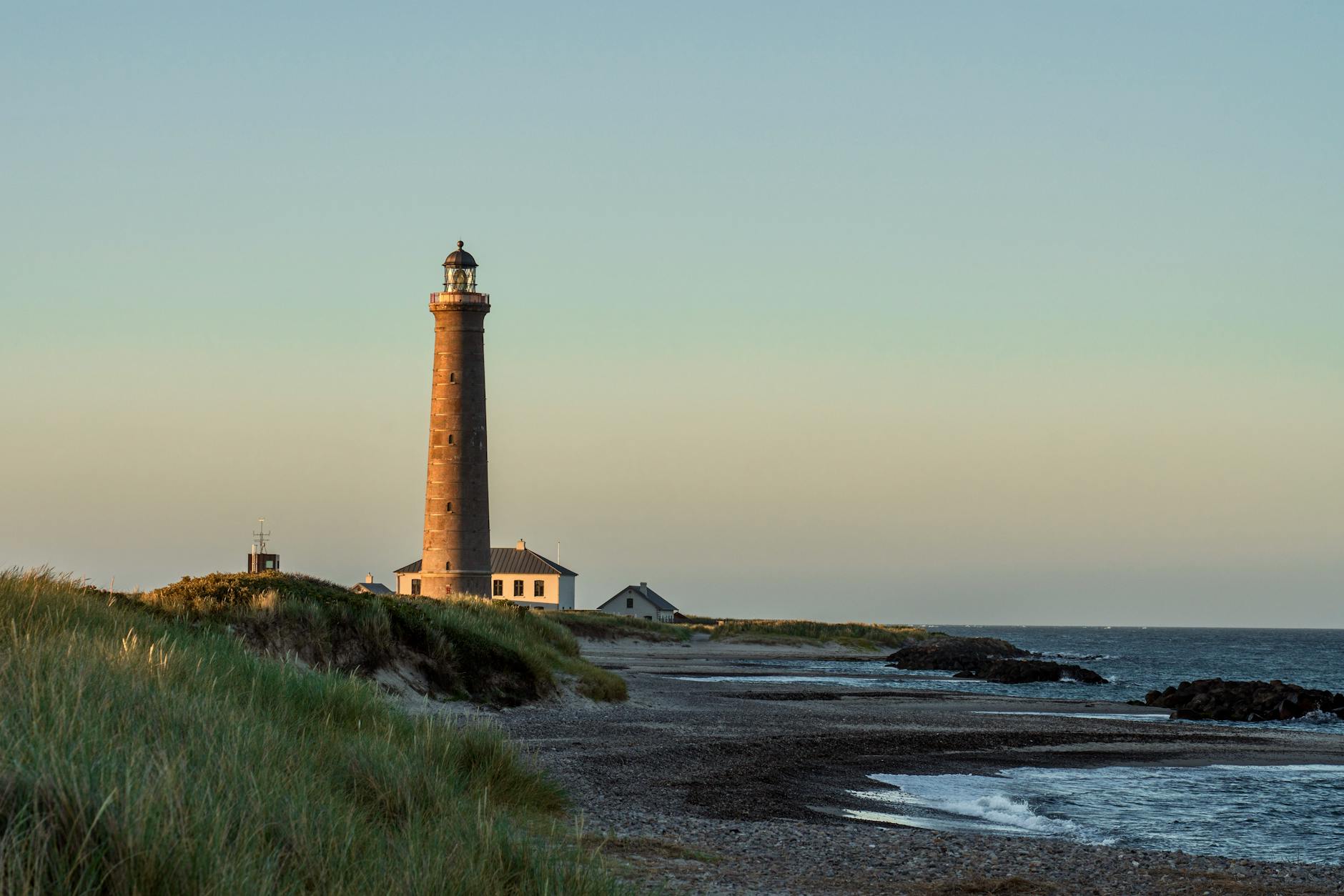
If Norway is the dramatic fjord country and Sweden is the design capital, Denmark is the soft landing—and for many first-time visitors, the perfect starting point.
Copenhagen is compact, walkable, and genuinely charming. The famous Nyhavn canal district is as colorful as it looks in photographs. The food scene is world-class without being intimidating. The cycling culture makes even a half-day rental feel like a local experience.
Beyond Copenhagen, Denmark offers easy day trips to castles, coastal towns, and the kind of unhurried Danish countryside that explains why the country consistently ranks among the happiest on earth.
How to Move Between Countries Easily
One of Scandinavia’s great advantages for the first-time visitor is the ease of inter-country travel. The region is smaller than it looks, and the transport connections between Norway, Sweden, and Denmark are excellent.
- Train: Copenhagen to Stockholm is a scenic four-to-five hour ride. Oslo to Bergen is one of the great rail journeys in Europe.
- Ferry: Several overnight ferry routes connect capitals and coastal cities, combining transport and accommodation in one relaxed experience.
- Short flights: Regional flights are quick and well-priced for longer inter-country hops, particularly if you’re combining southern Denmark with northern Norway.
With the right planning, Scandinavia is far simpler to navigate than it appears on a map.
Sample 10–12 Day Comfort-Focused Scandinavia Itinerary
This is a representative framework—an outline designed around slow pacing, comfortable accommodations, and meaningful experiences over rushed sightseeing.
- Days 1–2: Copenhagen. Nyhavn, Tivoli, walking the historic center. Easy arrival city.
- Day 3: Train to Stockholm. Settle in, evening waterfront walk.
- Days 4–5: Stockholm. Gamla Stan, Vasa Museum, afternoon archipelago excursion.
- Day 6: Fly or train to Bergen, Norway.
- Days 7–8: Bergen & fjord day trips. Brüggen, funicular, Sognefjord or Hardangerfjord by ferry.
- Day 9: Bergen Railway to Flåm. Overnight in the valley.
- Days 10–11: Oslo. Museums, waterfront dining, final evening in the city.
- Day 12: Depart Oslo.
No day has more than one transfer. Every base city offers at least two nights. The pace is designed to leave you wanting more—not needing a week to recover.
When to Consider a Guided Small-Group Tour
Scandinavia is technically accessible as an independent trip. But “accessible” and “optimal” are two different things.
Travelers who choose a guided small-group experience typically do so for a few reasons:
- Logistics without anxiety. Ferry schedules, weather-dependent routes, seasonal closures—someone else tracks those details so you don’t have to.
- Confident pacing. A well-designed guided itinerary is built around the experience you actually want, not the one that fits the most into a spreadsheet.
- Interpretation, not just transportation. The best guides don’t point at things—they explain why they matter. Sami culture, Viking history, the philosophy of friluftsliv—these come alive differently with someone who genuinely knows the landscape.
- Curated access. The experiences that define a trip—a private fika in a local home, an archipelago island you can’t reach alone, a conversation with a Sami reindeer herder—don’t show up on booking.com.
At East Site Travel, we’ve spent more than 20 years building the logistics expertise and local relationships that make this possible—first in Central Asia and the Silk Road, and now in Scandinavia. Our small-group model (never more than 15 guests) is built on a single conviction: that the best travel experience is the one that feels effortless.
If a comfort-forward, expert-guided Scandinavia trip sounds like what you’ve been looking for, we’d love to show you what we’ve designed for 2026.
→ Explore our 2026 Scandinavian itineraries >>
Sweden Tours
Norway Tours
Denmark Tours
Frequently Asked Questions: Scandinavia First-Timers Travel Guide
When is the best time to visit Scandinavia for the first time?
For most first-time visitors, late June through August is ideal. You’ll experience the Midnight Sun, pleasant temperatures, and the full vibrancy of outdoor cafe culture. If you’re chasing the Northern Lights, aim for the shoulder seasons of late September or March to avoid the most extreme winter cold.
Do I need to carry cash in Scandinavia?
Hardly at all. Scandinavia is one of the most cashless regions in the world. From high-end boutiques to small market stalls in Gamla Stan, almost everyone prefers card or mobile payments. Just ensure your credit card has no foreign transaction fees.
Is it easy to get around between Norway, Sweden, and Denmark?
Absolutely. The region is connected by highly efficient high-speed trains (like the SJ between Stockholm and Oslo) and world-class ferry systems. Our tours included all transportation arrangements. For a more scenic “comfort-forward” experience, many travelers prefer the overnight cruise between Copenhagen and Oslo.
How many days do I need for a first-time Nordic trip?
To see the highlights of the three main capitals without feeling rushed, we recommend at least 10 to 12 days. This allows for 3 days in each city plus travel time and a scenic excursion, such as a day trip to Uppsala or the Norway in a Nutshell tour.
Is Scandinavia as expensive as everyone says?
While it is a premium destination, you can manage your budget by focusing on the “experience” rather than just the price tag. Utilizing efficient public transport, enjoying the free natural beauty of the fjords, and opting for the “hygge” of local cafes over five-star dining every night can make the trip quite manageable.
Is Scandinavia a good destination for travelers with mobility concerns?
es, but it requires some planning – East Site Travel can help. Scandinavian cities are incredibly modern and generally offer excellent accessibility in museums, hotels, and public transport. However, historic centers like Stockholm’s Gamla Stan feature steep, narrow, and uneven cobblestone streets. We recommend a “mix and match” approach: use guided vehicle tours for the old quarters and save your walking energy for the flat, paved waterfronts like Nyhavn.
Discover more from East Site Travel
Subscribe to get the latest posts sent to your email.