Crossing five countries in one trip sounds complicated. It doesn’t have to be. Comfortable multi-country travel in Asia comes down to a handful of factors that, done right, disappear into the background of your trip entirely.
We’ve spent years refining exactly these details for our small group Five Stans tours. Here’s everything that goes into making a five-country journey feel easy rather than exhausting.
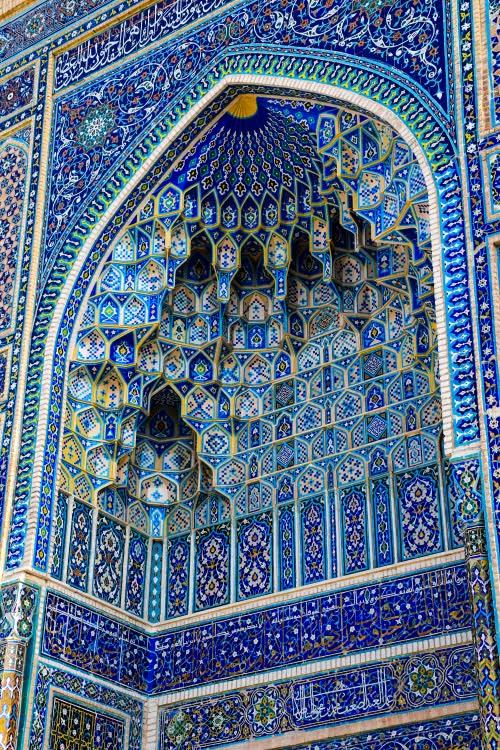
Most of what makes a trip like this stressful has nothing to do with the destinations themselves. Samarkand’s tiled domes and Kyrgyzstan’s alpine lakes are just as beautiful whether you arrive rested or worn out. The difference lies entirely in what happens between the landmarks: how you get there, where you sleep, and how the days are structured.
Below, we’ve broken down every factor that shapes how a multi-country trip actually feels, from the moment you land to the moment you head home.
How Do You Get Between Countries Comfortably?
Transportation is the backbone of any multi-country trip.
Across Kazakhstan, Kyrgyzstan, Uzbekistan, Turkmenistan, and Tajikistan, that means a mix of methods, chosen based on distance and road conditions rather than habit.
The countries in this region aren’t connected by a dense network of direct flights or high-speed trains the way, say, Western Europe is. That means the method of transport has to be chosen deliberately for each leg of the journey, rather than defaulting to whatever’s most convenient to book.
A comfortable transportation plan typically includes:
- Internal flights for longer distances between countries
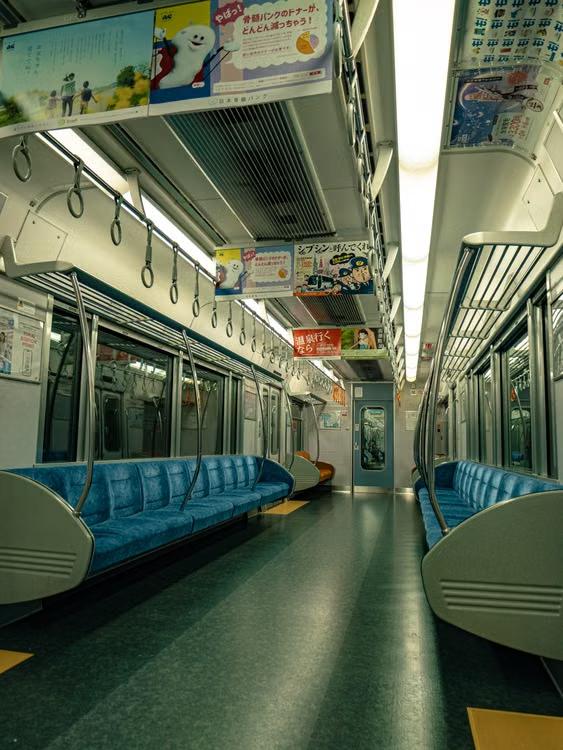
- High-speed rail for well-connected city pairs, like Tashkent to Samarkand
- Air-conditioned ground transfers for shorter legs
- Pre-booked tickets, so nothing is arranged on the fly
An all-inclusive Five Stans tour handles all of this before you ever leave home. Every flight, train, and transfer is booked in advance and sequenced to avoid unnecessary backtracking. You show up. The logistics are already solved.
What Should You Expect at Border Crossings?
Border crossings are where independent travel gets complicated fast.
Five countries means five sets of paperwork, five sets of rules, and procedures that can change with little notice.
Wait times at land borders in this region can range from straightforward to several hours, depending on the crossing, the time of day, and factors entirely outside your control. Independent travelers sometimes find themselves stuck at a checkpoint with no clear sense of how long the process will take or what’s expected of them next.
A guided crossing changes the experience entirely. Your guide handles the paperwork, knows the current requirements, and manages timing so a crossing doesn’t eat into your sightseeing day. Checking current entry requirements ahead of time, such as through the U.S. State Department’s country-specific travel pages, is worth doing regardless of how your trip is arranged, since rules can shift between when you book and when you travel.

How Much Do Hotels Affect Overall Comfort?
More than people expect.
Hotel quality varies significantly across this region, and a few uncomfortable nights can color your impression of an otherwise wonderful trip. It’s easy to assume one hotel is much like another, but the gap between a carefully chosen property and a randomly booked one often determines whether you get a restful evening or a frustrating one.
Our luxury Five Stans tours are built around handpicked 4- and 5-star properties in every city, chosen for cleanliness, service, and location rather than convenience alone. In cities like Samarkand and Bukhara, some of the best options are boutique hotels built into restored historic buildings, giving you the chance to sleep inside the same architecture you spent the day admiring.
We also make sure you’re staying long enough in each city to actually enjoy the hotel, rather than treating it as a place to drop your bags before an early departure the next morning.

Why Does Pacing Matter More on a Multi-Country Trip?
Five countries in a short window can tempt you to overpack the schedule. Resist that.
A well-paced itinerary alternates demanding sightseeing days with lighter ones, so travel fatigue doesn’t compound across the trip.
It’s tempting, especially for first-time visitors, to try to see everything a guidebook mentions. In practice, cramming multiple major sites into a single day usually means you remember less of each one, not more. A comfortable pace treats rest as part of the itinerary, not an afterthought squeezed in whenever there’s spare time.
Signs of good pacing include:
- Two to three nights in each major city, not one-night stops
- No single travel day stretching beyond what’s necessary
- Built-in time to rest, not just sleep, between destinations
- Free afternoons left open rather than filled by default
What Should You Pack for Five Countries?
Packing light matters more here than on most trips, since you’ll be moving between hotels frequently, often every one to three nights. A large, heavy suitcase becomes a genuine burden across five countries in a way it wouldn’t on a single-destination beach vacation.
Layering works better than heavy individual items, since temperatures shift between desert cities and mountain regions, sometimes within the same week of travel.
A practical packing approach includes:
- A versatile outer layer for cooler evenings and higher elevations
- Comfortable, sturdy shoes for cobblestone courtyards and uneven historic surfaces
- Modest clothing options for visiting religious sites
- A portable charger, since outlets aren’t always where you’d expect them
- A soft-sided bag or one with wheels that hold up on uneven pavement

How Does Connectivity Work Across Five Countries?
Staying connected across five different mobile networks can be a hassle if you’re managing it yourself, since each country has its own carriers, SIM options, and coverage quality. Most hotels offer reliable WiFi, and a local SIM card or international data plan covers you between stops.
Connectivity tends to be strongest in capital cities and weaker in more remote stretches, particularly in the mountainous regions of Kyrgyzstan and Tajikistan. We brief travelers on the most practical options before departure, including which countries are easiest to get a local SIM in and where an international plan makes more sense, so connectivity isn’t something you have to figure out mid-trip.
How Do You Handle Money Across Five Different Currencies?
Currency is a detail that catches many independent travelers off guard. Kazakhstan, Kyrgyzstan, Uzbekistan, Turkmenistan, and Tajikistan each use their own currency, and exchange rates, ATM availability, and card acceptance vary significantly between them.
Cash is still preferred in many smaller shops and markets, particularly outside capital cities, while larger hotels and restaurants increasingly accept cards. Carrying small amounts of local currency for each country, rather than relying entirely on cards, tends to make daily transactions smoother.
A few practical habits make this easier:
- Exchanging a modest amount of cash upon arrival in each country
- Carrying a mix of small and larger denominations for markets and tips
- Confirming which countries have reliable ATM access in advance
- Keeping a small reserve of US dollars, which are widely accepted for exchange
We handle currency guidance as part of trip preparation, so you’re never caught without local cash in a place that needs it.
What Role Do Meals Play in Overall Comfort?
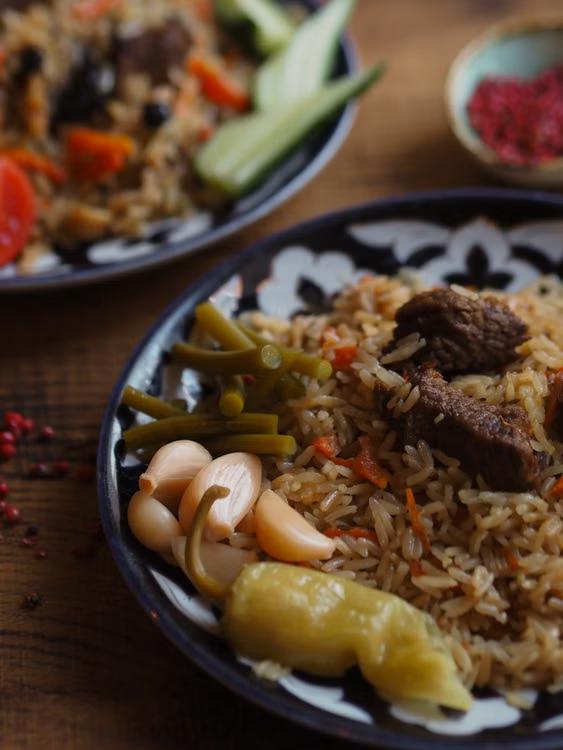
Food is one of the most underrated comfort factors on a multi-country trip. Expect plov, the rice and lamb dish considered Uzbekistan’s national dish, fresh non-bread baked in a clay oven, hearty regional soups, and an abundance of seasonal fruit, often served at family-run restaurants rather than hotel dining rooms.
Meals built into the itinerary mean you’re never left searching for a decent option after a long day of travel, and you’re also less likely to end up somewhere that doesn’t accommodate dietary preferences. If you have specific restrictions, it’s worth mentioning them well before departure, since menu flexibility varies more in smaller towns than in capital cities.
Why Does Guided Sightseeing Improve Comfort?
A knowledgeable local guide changes how comfortable sightseeing feels.
Rather than navigating unfamiliar cities alone, you have someone managing entry logistics, answering questions, and adjusting the pace to the group. This matters especially at major sites, where lines, ticketing systems, and opening hours aren’t always intuitive for first-time visitors.
Beyond simply pointing out landmarks, a good guide explains context that’s easy to miss on your own: the political history behind a monument, the religious significance of a design choice, or the story behind a centuries-old craft still practiced nearby. That depth is part of why guided experiences tend to leave a stronger impression than self-guided ones.
Our Central Asia tour packages bring in a new local guide at each country border, someone with genuine expertise in that specific place rather than a single guide stretched across five countries. The guide who walks you through Registan Square knows its Timurid history in depth, while the guide meeting you in Ashgabat can speak with equal depth about Turkmen carpets and Soviet-era architecture.
Frequently Asked Questions
- What’s the biggest factor in comfortable multi-country travel in Asia?
Transportation, hotels, and border logistics that are planned in advance, rather than solved on the fly, make the biggest difference. Most of the stress travelers associate with multi-country trips comes from gaps in planning, not the destinations themselves. - How many countries can comfortably fit into one trip?
Five is manageable with the right pacing and around nineteen days. That timeframe allows two to three nights in each major city without feeling rushed. Fewer countries work well for shorter trips, and extended itineraries pairing the Five Stanswith the Caucasus, China, or Mongolia suit travelers who want to keep going. - Do I need to speak the local languages to travel comfortably here?
Guided tours include English-speaking guides throughout, so language isn’t a barrier even in smaller towns. Russian is also widely understood across the region alongside each country’s native language. - Is multi-country travel in Asiasuitable for older travelers?
Yes, with the right pacing. A realistic daily schedule, comfortable transportation, and hotels chosen for accessibility and comfort make this region approachable for a wide range of travelers, not just younger backpackers. - How far in advance should I book a multi-country trip like this?
Several months ahead is ideal, since hotels, guides, and internal flights all need to be coordinated across five countries. Popular departure windows in spring and fall tend to fill first. - What’s the most common mistake independent travelers make on a trip like this?
Underestimating how long transportation and border crossings actually take. Treating a border crossing or long transfer as a quick formality, rather than building a full day around it, is what leads to rushed, exhausting trips.
If you still have questions about planning a comfortable multi-country trip, our travel information page has details on visas, packing, and what to expect along the way.
Ready to Travel Five Countries in Comfort?
Comfortable multi-country travel in Asia isn’t about luck. It’s about planning done well before you ever board a flight. Book a Five Stans travel itinerary with us, and let us handle the transportation, hotels, and logistics while you focus on the experience. Whether you’re drawn to a faster-paced adventure or a Five Stans tour for seniors built around a gentler rhythm, reach out, and we’ll build a trip around exactly how you want to travel.
Discover more from East Site Travel
Subscribe to get the latest posts sent to your email.